
MADE FOR THIS GAME: FA push to improve girls’ participation
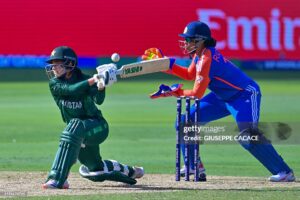
Girls’ football participation has more than doubled over the past few years from 1.2 million in 2020-21 to 2.7m in 2024-25. But gender stereotyping, misogyny, and lack of body confidence still stop many girls from playing or remaining in football.
Clare McEwen learns about the new FA initiative hoping to break down these barriers.
In a perfect world, there would be no need for the FA to talk about gender bias and body image with kids. They certainly wouldn’t need a programme to deliver ‘anti-misogyny’ messages. But given that half of teachers don’t feel confident discussing these difficult issues, it’s heartening to see the FA using football as a vehicle for societal change.
This week they launched their new campaign, Made For This Game: Breaking Barriers. The initiative, in partnership with Barclays, delivers educational resources to primary and secondary schools across England. It is designed to start conversations and tackle these barriers as early as possible.
As Sue Day MBE, Director of Women’s Football at the FA says:
“We cannot ignore the fact that societal pressures are threatening to slow the excellent progress that’s been made over the last few years.
“By starting these conversations for girls and boys in their formative years, I hope we can help to develop a generation of girls who truly believe that football is for them.
“It’s no use having role models in our Lionesses and the elite players of the Barclays WSL and WSL2 for girls to look up to, if they don’t feel that football is a place for them to thrive.
“There is always more to be done, but I’m really proud that we’re tackling the difficult challenge of breaking down barriers head on in a bid to create a more supportive, inclusive and accepting environment for the next generation of girls and boys.”
It’s no use having role models in our Lionesses and the elite players of the Barclays WSL and WSL2 for girls to look up to, if they don’t feel that football is a place for them to thrive.
Sue Day MBE, Director of Women’s Football at The FA
The scale of the challenge is clear from the data. Although 90% of schools now offer football to girls aged 7-14, societal barriers remain. For example, primary school teachers say 71% of girls still feel held back by boys excluding them; and in secondary school, 63% of teachers report that body image and being self conscious are the biggest factors holding teenage girls back.
The new resources are designed for both girls and boys to help everyone understand the impact of the issues.
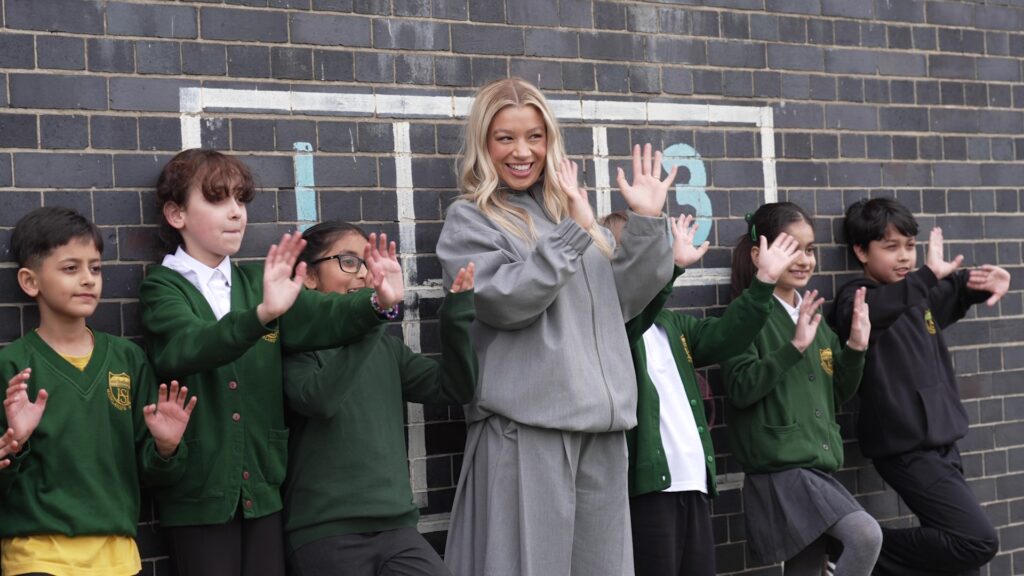
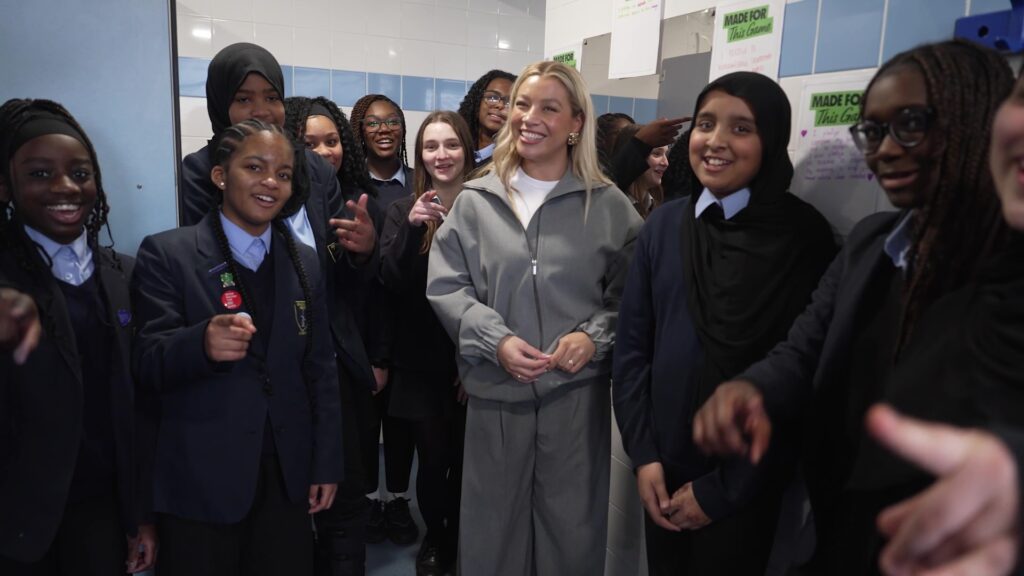
The primary school pack focuses on misogyny, inclusion, and challenging gender stereotypes. The lessons include CBBC and BBC Strictly Come Dancing star Molly Rainford in conversation with primary-aged children, talking about how gender-bias can affect a young person’s beliefs.
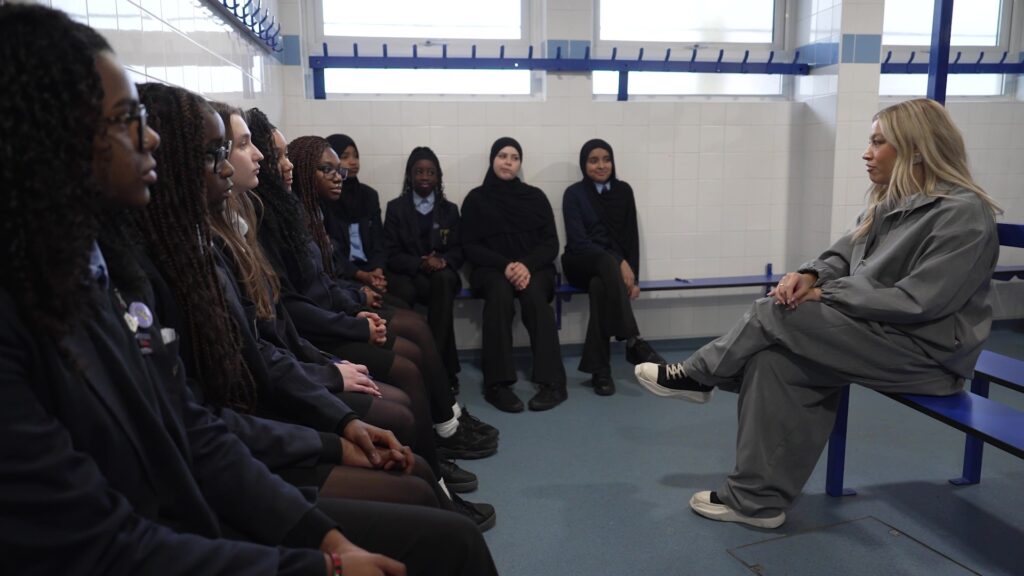
The secondary school lessons address more complex barriers, specifically around body confidence and mental wellbeing, and feature Rainford talking with secondary-aged girls about societal pressures around their appearance.
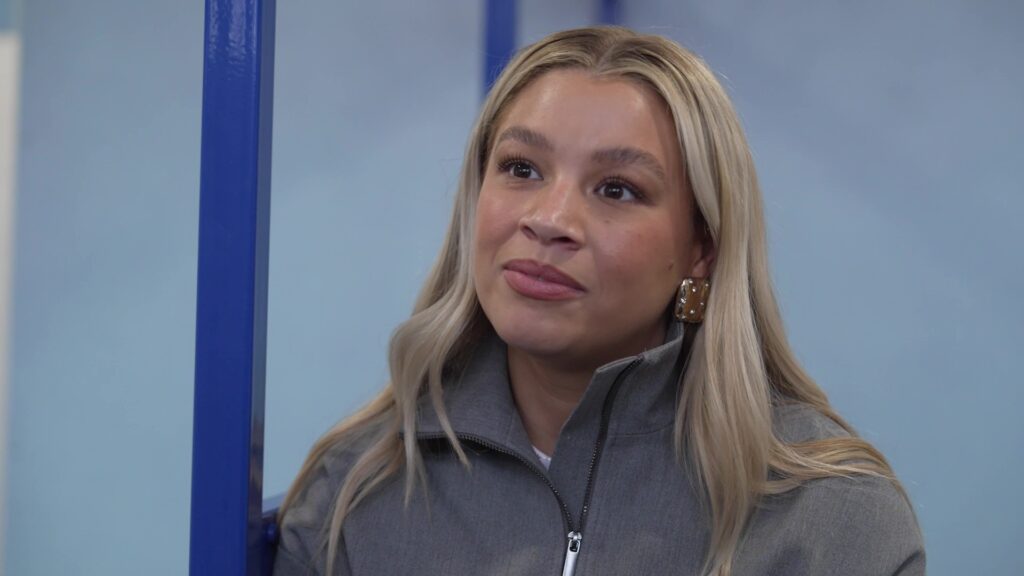
Rainford says this about the initiative:
“Having the opportunity to speak to girls and young women as part of this project has been very eye-opening.
“I know body confidence, misogyny and gender bias remain as barriers, but it’s really important that we change the narrative and understand why they think this and what we could do to change that.
“The conversation is much greater than football itself, but it’s a great place to start.”

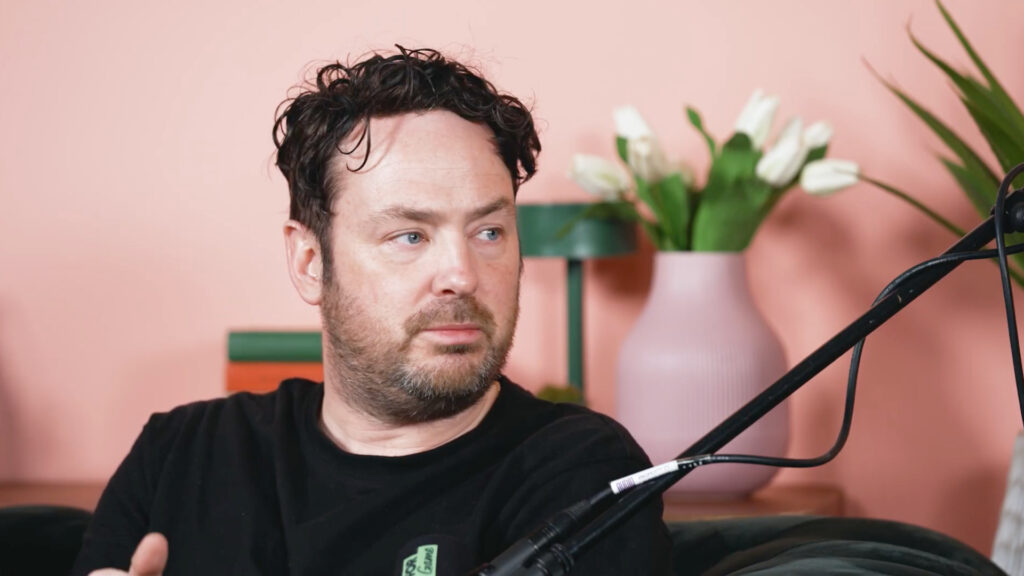
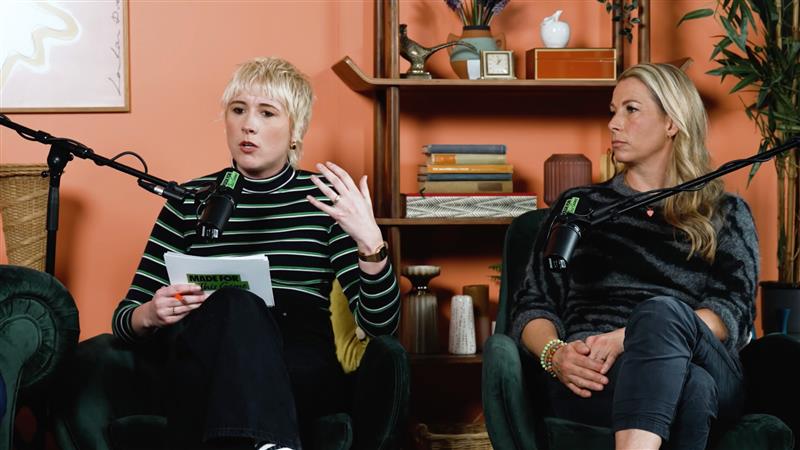
Alongside the school packs, there is a visual podcast for teachers, educators, and trusted adults to help guide conversations. Maisie Adam hosts, and Lionesses legend Rachel Brown-Finnis, along with other educators, discuss the wider societal changes young people face and how adults can help tackle these barriers.
The podcast is available here: https://youtu.be/mEBFBwJi6ZY and is well worth a listen. Hearing some of the children’s comments hurt my soul a little, but also demonstrated how important initiatives like this are.
The initiative was formally launched on Wednesday 18th March in Islington, London and schools and educators can access the resources here: https://www.girlsfootballinschools.org/made-for-this-game.php