
THE POWER OF PARA – The Impact of Female Para-Athletes
A deep dive on female para-athletes and their perspective – and why their visibility, lives, stories and achievements matter, especially to disabled children.
There are huge challenges facing para-sport, even as it appears to thrive as never before, with a mix of established champions and emerging talent inspiring young athletes worldwide.
Deep down, however, there are underlying difficulties for para sportswomen who don’t have the support – as well as a perception that you have to be an inspirational, elite athlete to be valued.
And that’s if you can find the media coverage at all. Nerea Fernandes investigates.
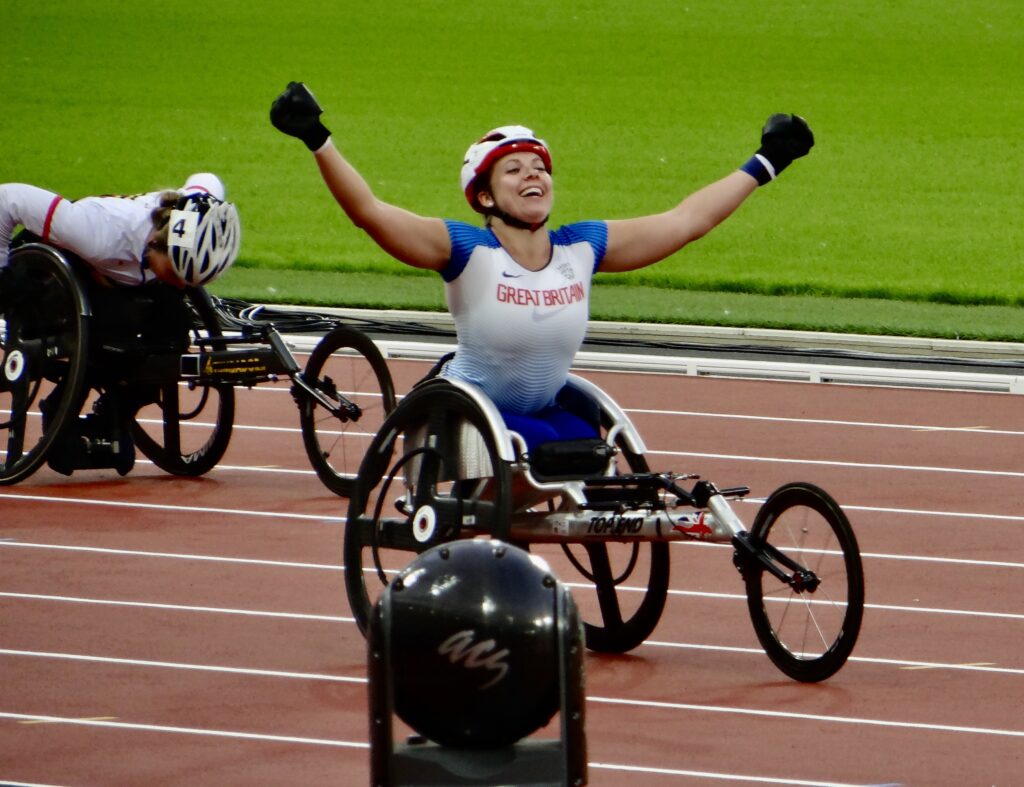
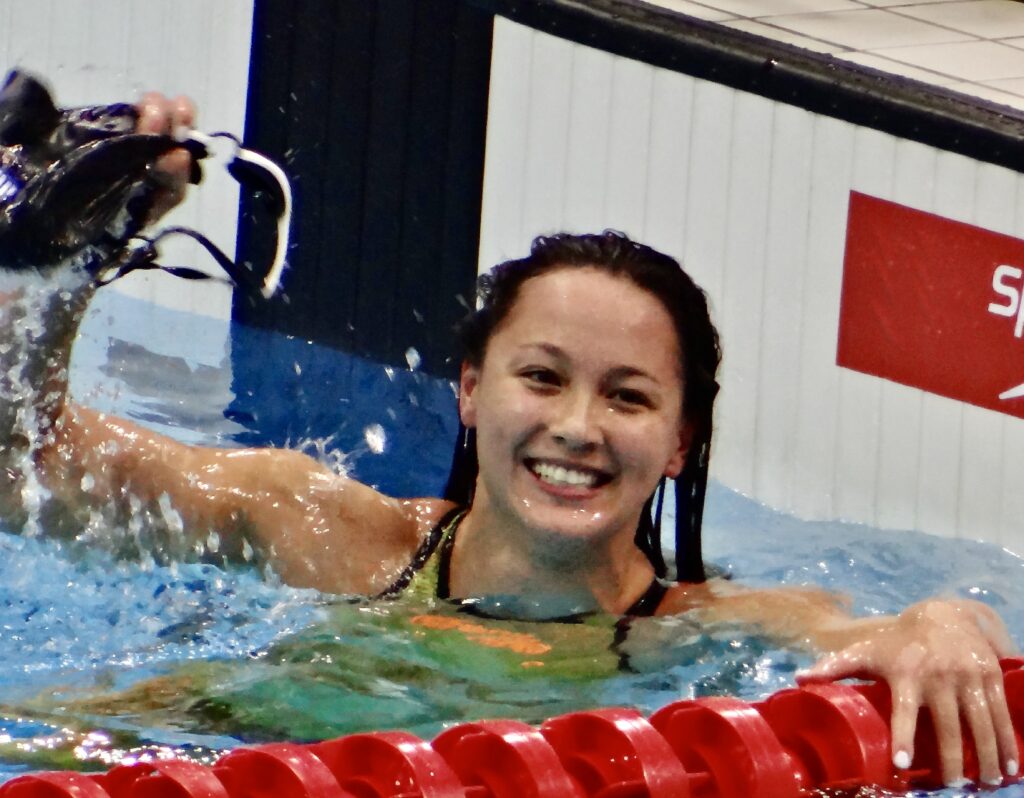
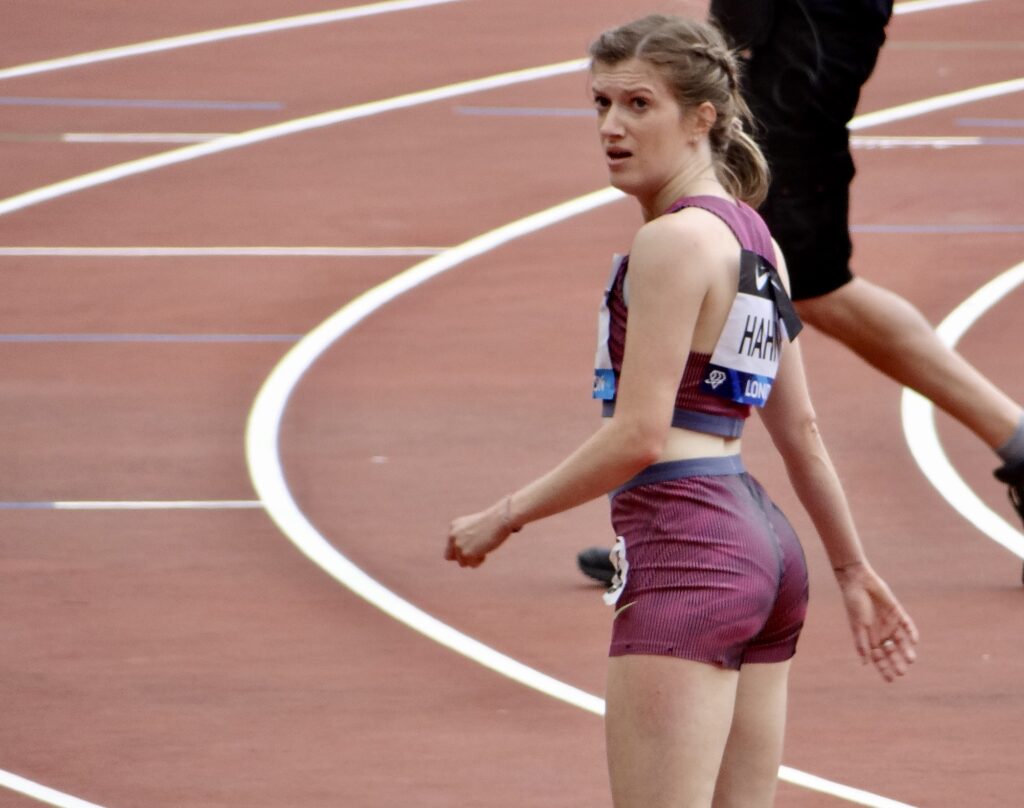
We know that sport has the power to transform lives. Whether it is through social connection, building confidence, or improving mental health, it offers opportunities for growth, resilience, and a sense of belonging.
Of course, female para-athletes also demonstrate the possibilities available for disabled girls, offering role models who showcase skill, resilience, and ambition.
Numerous studies show that regular exercise reduces stress, boosts mood and energy, enhances brain function, and even supports learning and memory.
For many, even small acts, like a ten-minute walk in the park, a gym session, or a kickabout with friends, can make a big difference.
Only Connect
Crucially, though, sport isn’t just about individual benefits. It connects people. From national team triumphs to the excitement of the Olympics and Paralympics, moments in sport capture attention, spark conversation, and highlight skill and teamwork.
These shared experiences create lasting bonds and show that sport is for everyone.
The FA reported a rise in women playing football after the Lionesses’ home win in the 2022 European Championships, with more than 129,000 taking up the sport.
More than half a million new opportunities were created, including 34,025 women playing for fun and 10,356 competing.
Similarly, the Swiss FA aims to double the number of girls and women playing football from 40,000 to 80,000 by 2027, following the success of their national team at the 2025 Euros.
Leading the Way
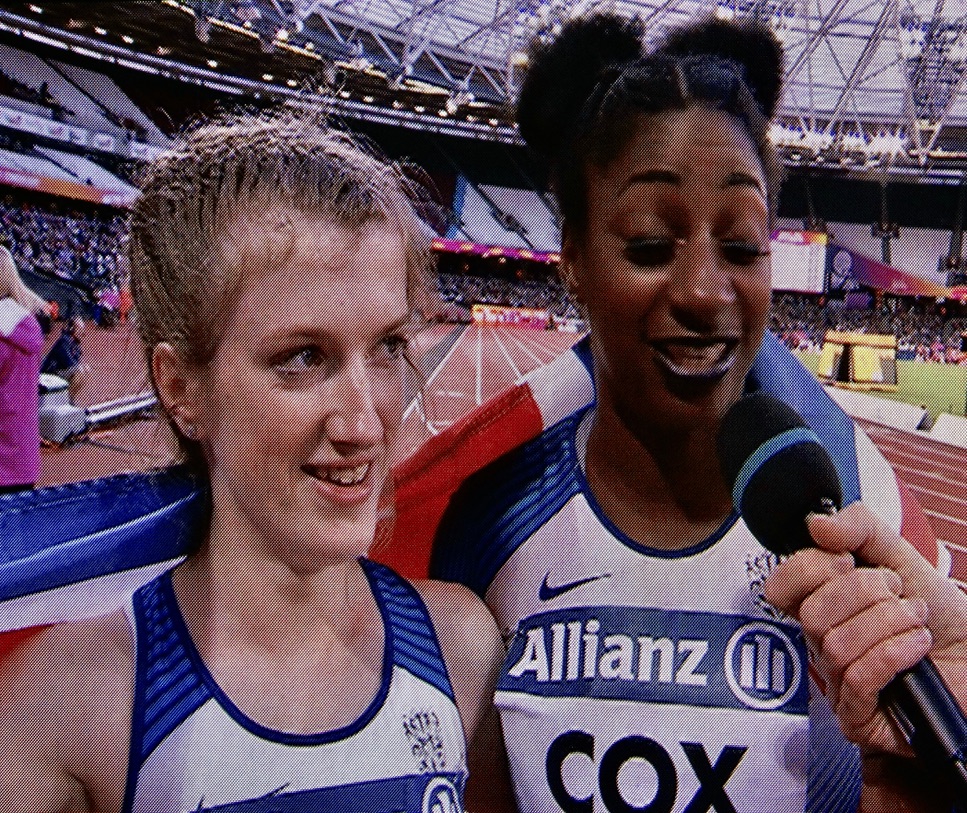
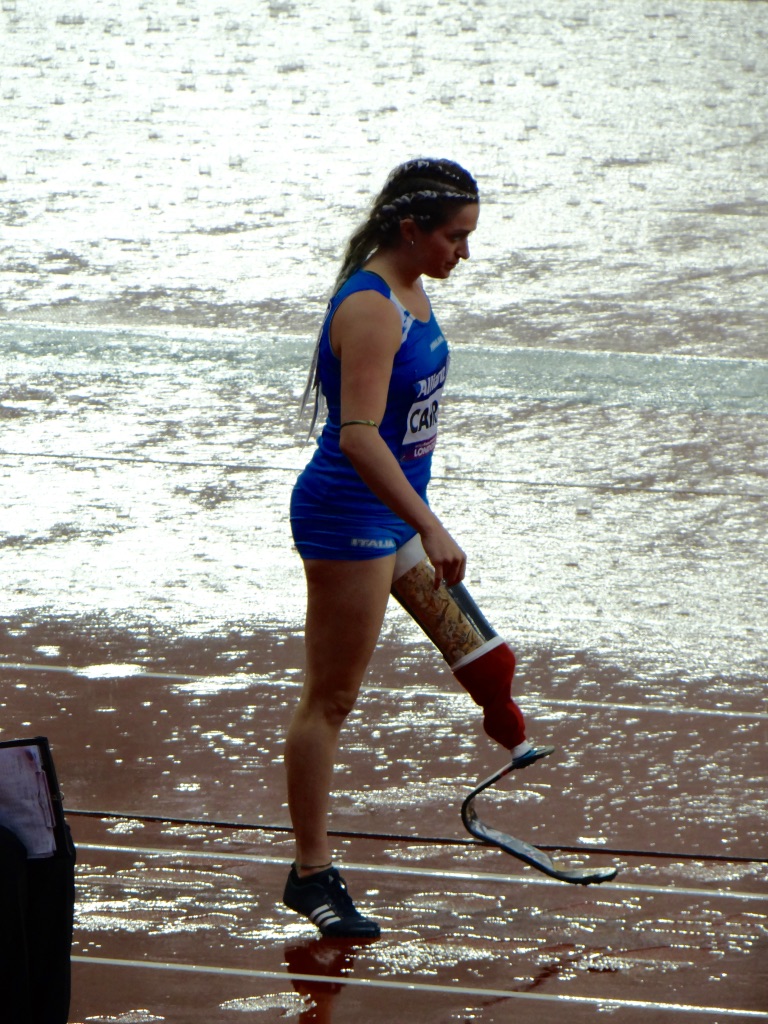
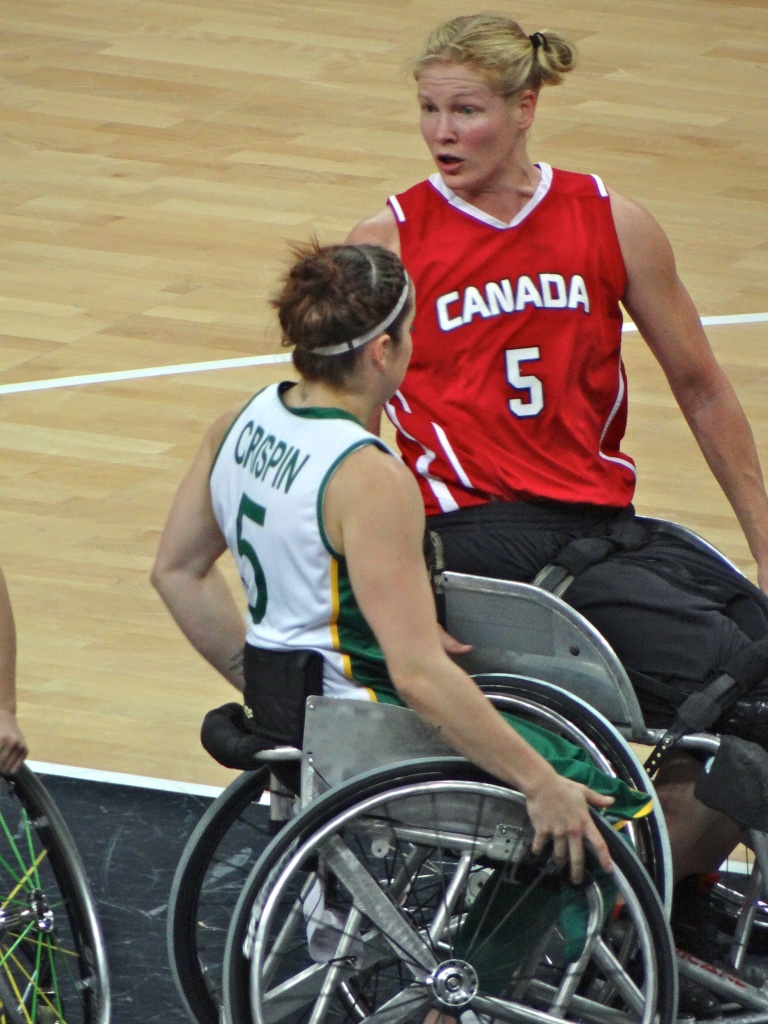
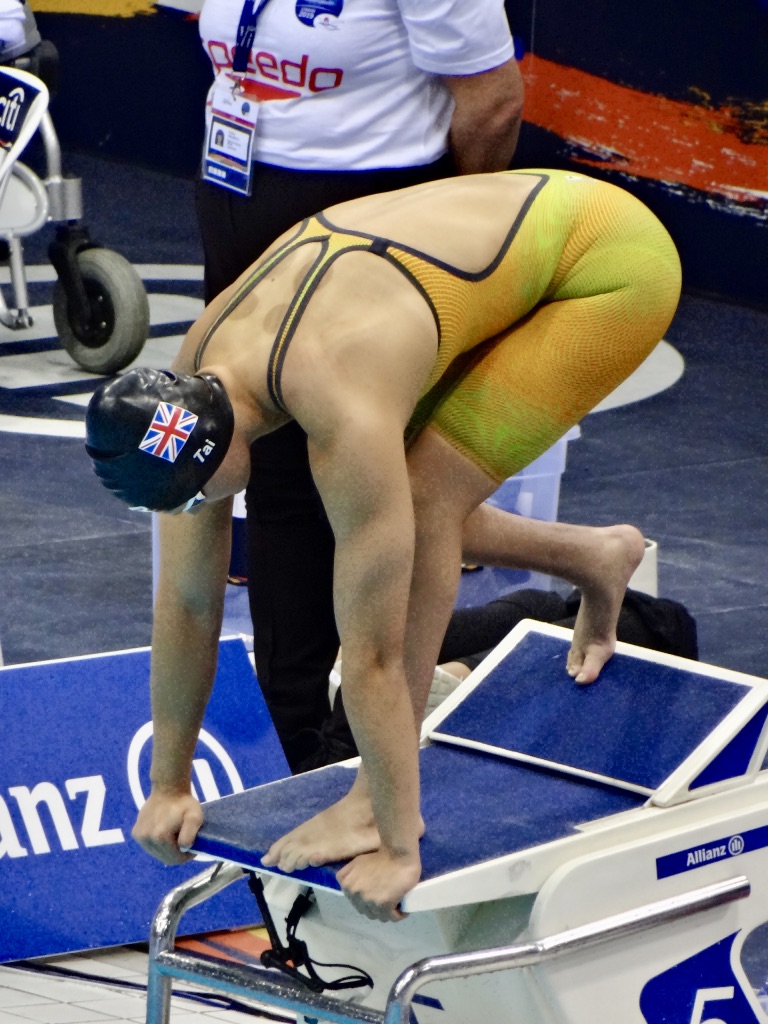
Today, women in para sport are also leading the way on the international stage.
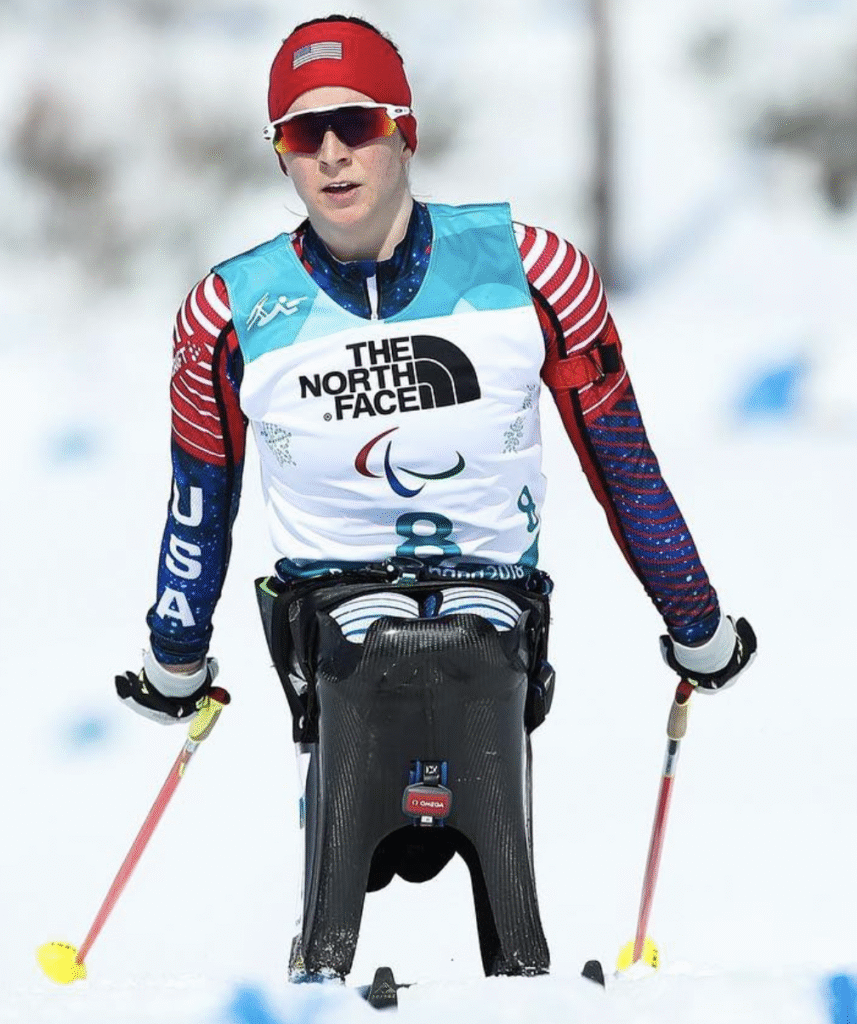
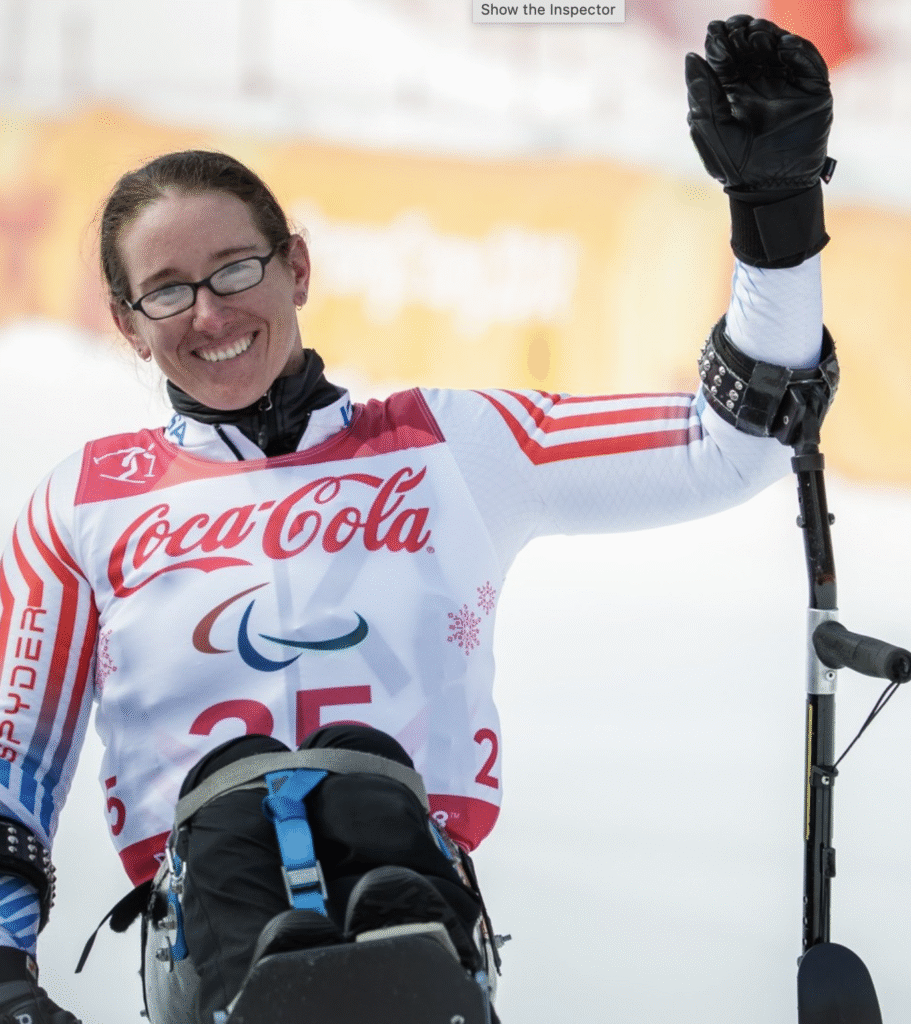
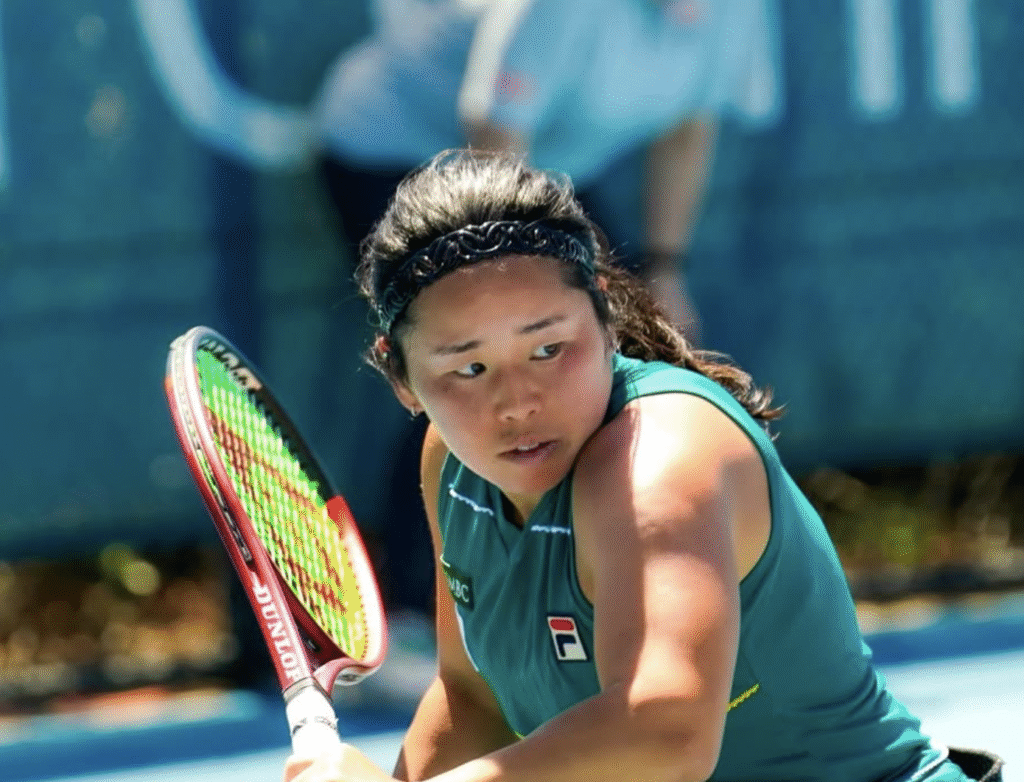
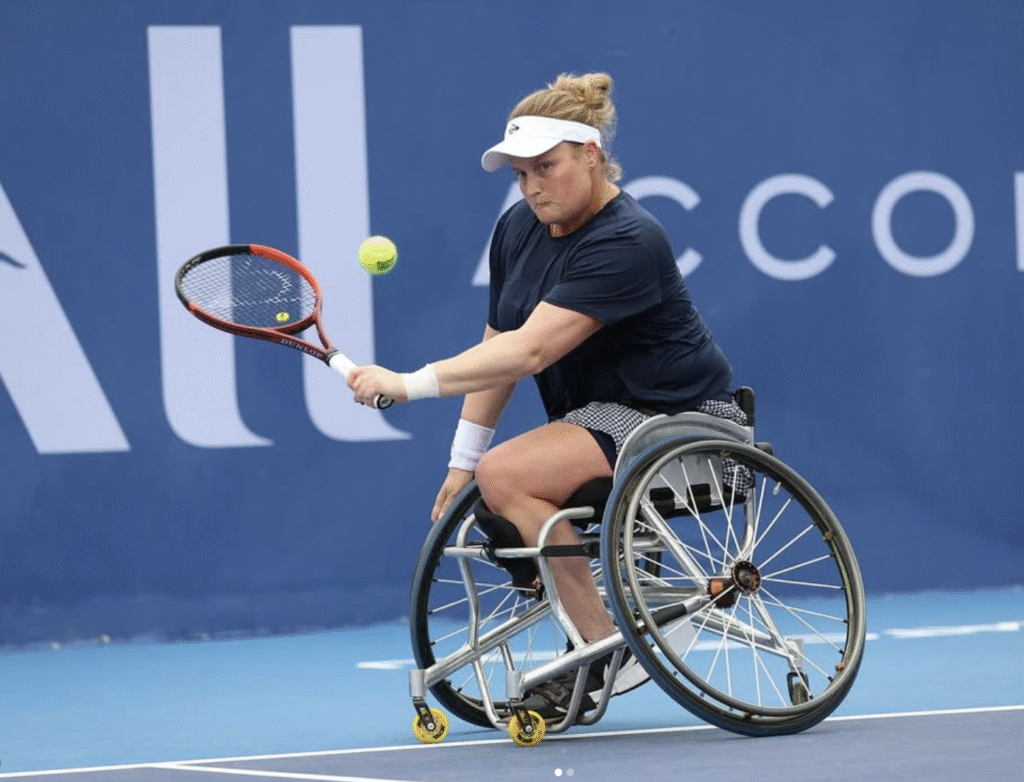
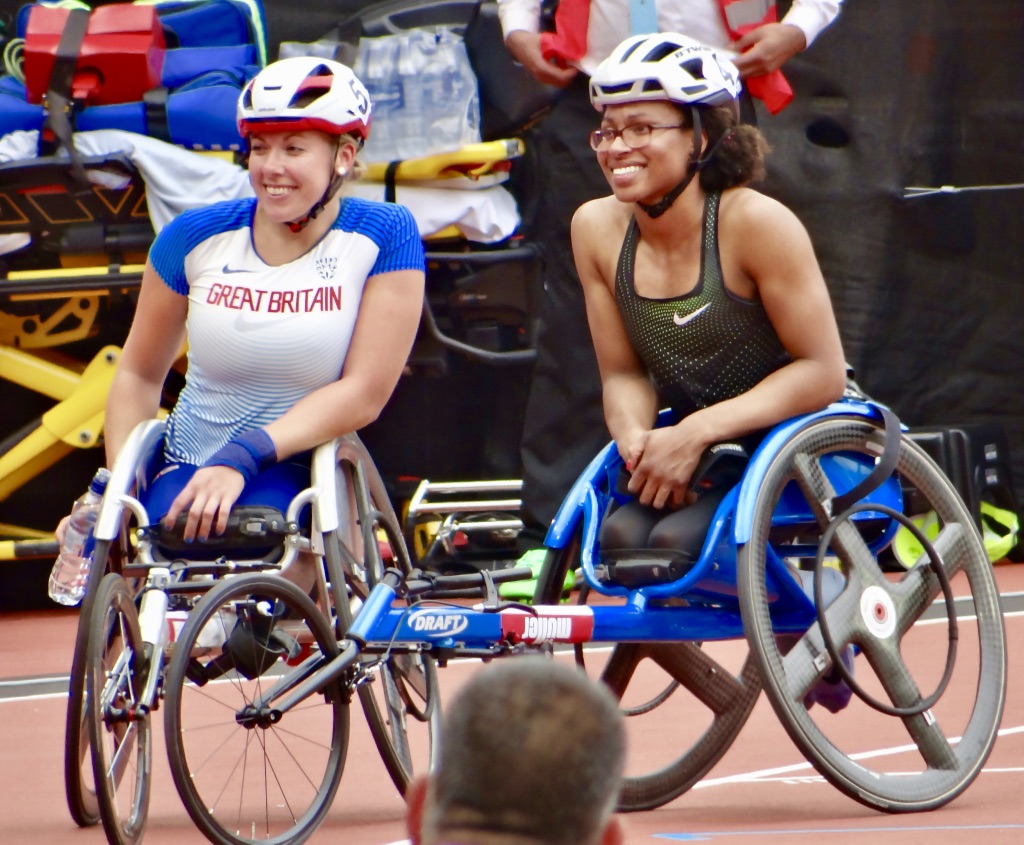
Athletes like Kendall Gretsch and Laurie Stephens (above) at the upcoming 2026 Winter Paralympics in Milano-Cortina (March 6-15, 2026), or Yui Kamiji and Aniek van Koot (below) at the Australian Open wheelchair events showcase the depth of talent and possibilities for disabled girls everywhere.
Major sporting events are driving interest and visibility in women’s para sport, making this a pivotal moment.
Audiences are growing, young disabled girls are seeing more role models than ever, and female para-athletes continue to inspire participation and ambition.
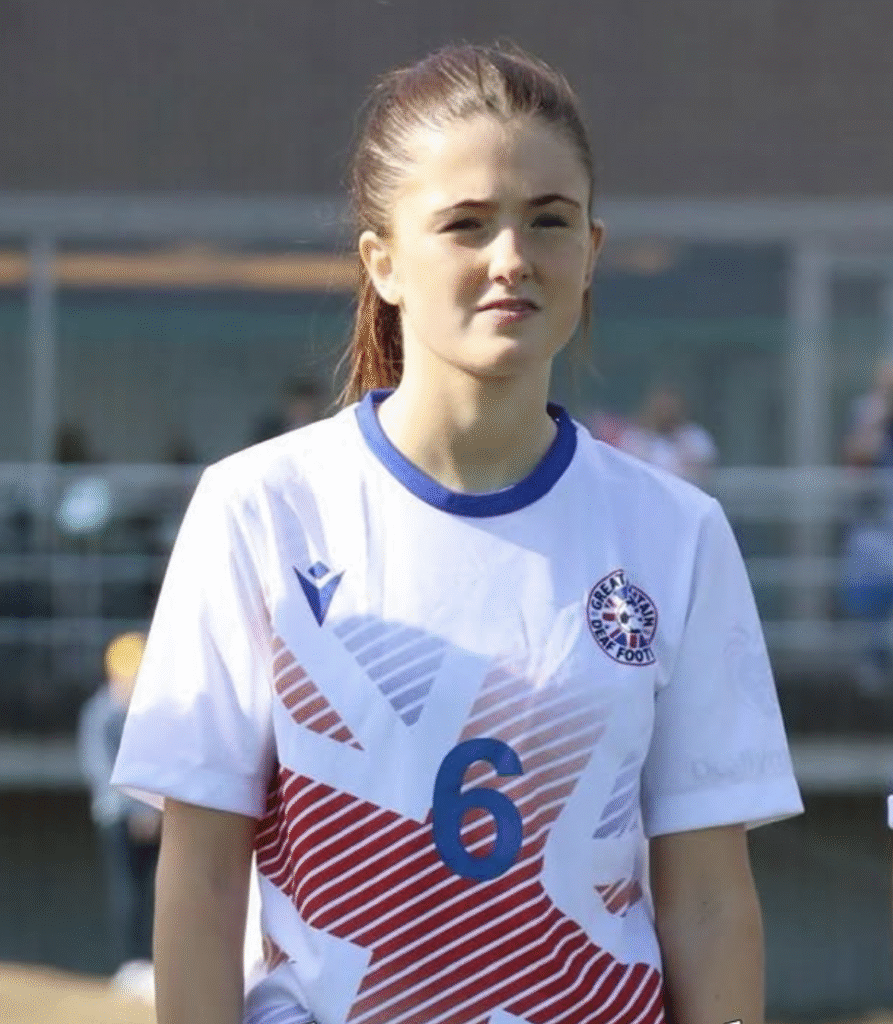
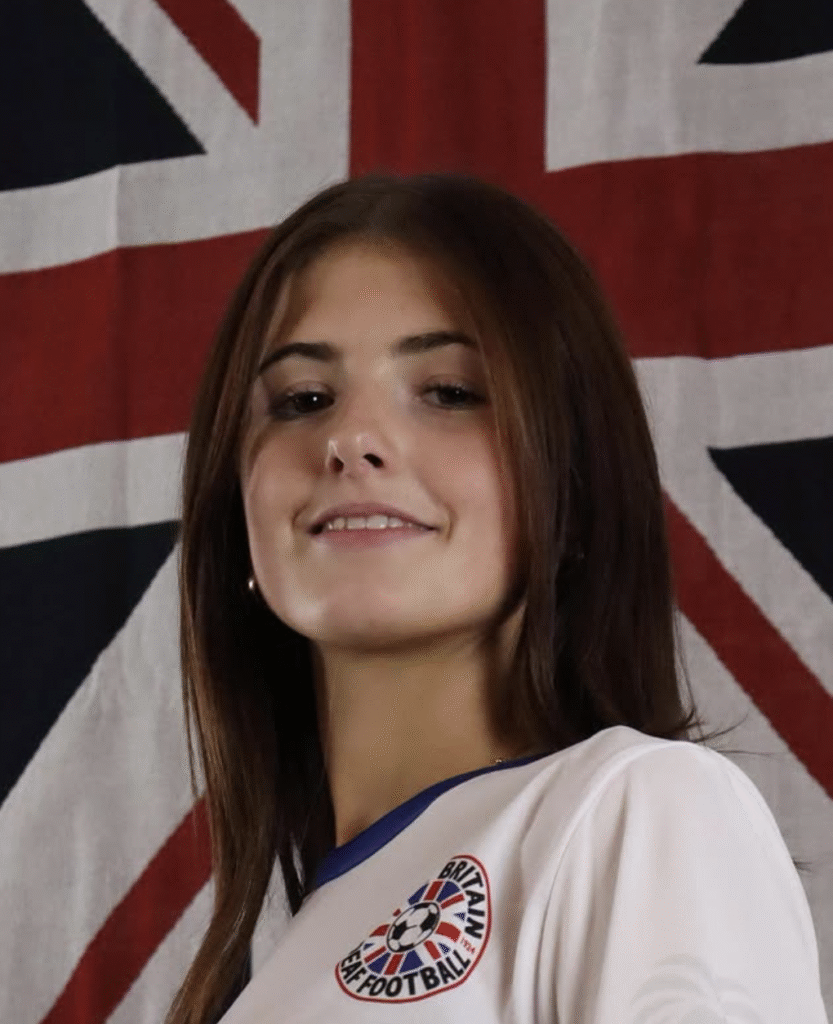
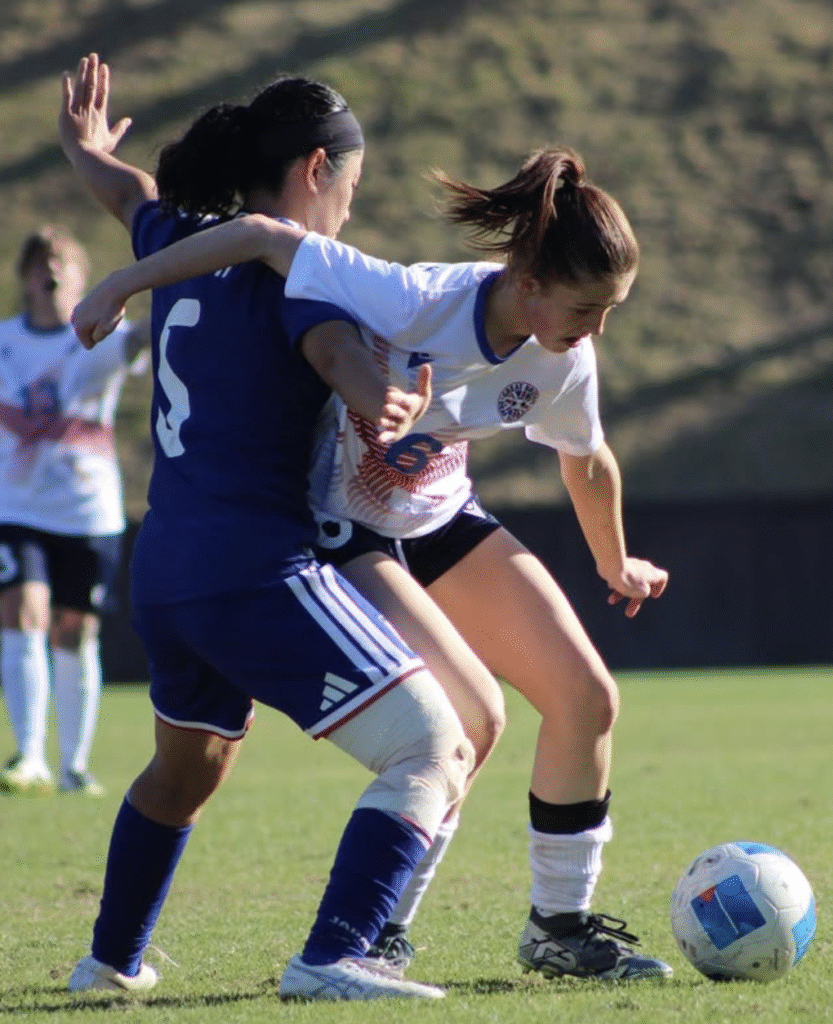
Recent achievements, including Durham Academy and Norton & Stockton Ancients FC footballer Sophie Dacombe (below) winning bronze at the 2025 Tokyo Deaflympics and the rise of emerging female para-athletes, show that sport is thriving and matters to all young people who want to take part.
However, increased visibility at the elite level does not always translate into meaningful access or opportunity locally, particularly for girls.
Stories like Sophie Dacombe’s show what is possible when pathways, support, and opportunity exist, but they also highlight who is still being left behind.
With the Milano-Cortina Winter Paralympics approaching, attention is once again turning to the women redefining what is possible in para sport, showcasing both the progress made and the work still to be done.
The Paralympics Effect
The 2024 Paralympics marked a historic moment for inclusion and global interest in para sport.
For the first time, female athletes made up 50% of competitors, reflecting the growing opportunities and recognition for women in sport.
Interest in the Games surged worldwide. In the USA, the Paralympics ranked among the top Google searches of 2024, with the International Paralympic Committee’s (IPC) digital platforms seeing unprecedented engagement.
Globally, audiences tuned in for a record number of live hours, with the Opening and Closing Ceremonies drawing their largest-ever crowds.
Achievements such as Dame Sarah Storey’s 19th career gold, Maisie Summers-Newton’s successful defence of her SM6 swimming title from Tokyo, and new British records further boosted public interest.
The 2024 Paralympics weren’t just about medals. They sparked a global movement, increased visibility for athletes with disabilities, and inspired young people worldwide to engage in sport.
Research by organisations Women in Sport and Activity Alliance found that six in ten disabled girls were inspired to try a new sport, with 84% of viewers reporting feeling proud while watching the Games.
64% said the Paralympics encouraged them to be more active and ‘play more sport’.
Disabled girls were more likely to participate for their mental wellbeing (43% vs 36% of boys) and physical health (35% vs 25% of boys), highlighting the critical role sport plays in self-care and emotional resilience.
However, barriers linked to disability and gender continue to limit access. Activity Alliance research found that young disabled people often want to participate more but lack encouragement and opportunities.
Despite this progress, challenges remain that affect how disabled children access and experience sport locally.
Paralympians are often seen as courageous and inspirational, but many disabled people do not want to be considered exceptional simply for living their lives. They want recognition, just like non-disabled people, with their own mix of strengths and challenges.
Reality Behind the Stats
While the Paralympics were inspiring for many young people, it may also reinforce the idea that disabled people must perform at an elite level to be valued, leading to greater feelings of inadequacy and exposure to negative attitudes.
More than four in ten young disabled people reported experiencing negative attitudes from others during the Games, particularly those with visible impairments.
Paralympians are often seen as courageous and inspirational, but many disabled people do not want to be considered exceptional simply for living their lives. They want recognition, just like non-disabled people, with their own mix of strengths and challenges.
This highlights the need for systemic changes that create local opportunities and supportive environments, so that inspiration from elite athletes can lead to meaningful participation for everyone.
Accessibility
Barriers such as limited local access, financial constraints, and lack of support can create a cycle of exclusion.
Despite progress in disability and gender representation in sport, research is clear; disabled girls have the lowest engagement, face the greatest barriers to participation, and receive the least support to pursue their sporting dreams.
Gender plays a significant role in shaping aspirations – young disabled people are already 6% less likely than their non-disabled peers to dream of becoming top athletes, but only 25% of disabled and non-disabled girls aspire to reach the top, compared with a much higher proportion of boys.
Six in ten young disabled people want more opportunities to participate. Yet disabled girls are the least likely to engage or feel that sport is for them, with one in five saying they do not see people like them represented.
Young non-disabled people are more likely than their disabled peers to feel that the Paralympics improves perceptions of disability in sport.
Disabled boys are also more likely to experience negative feelings towards the Paralympics than disabled girls, including feelings of inadequacy (45% vs 23%) and the belief that it creates unrealistic expectations for disabled people (47% vs 30%).
Six in ten young disabled people want more opportunities to participate. Yet disabled girls are the least likely to engage or feel that sport is for them, with one in five saying they do not see people like them represented.
At the elite level, sport has traditionally been defined as male-dominated, with many women and girls being turned off sport altogether.
Disabled girls are more likely to report a lack of opportunities (44% vs 35% of disabled boys), negative attitudes about their potential success, and a feeling that their peers aren’t encouraged to excel.
In a 2023 survey by the Youth Sports Trust, 59% of girls said periods and low self-esteem issues were primary concerns.
Parental support also shows a gender gap, with fathers more likely to support their disabled sons’ sporting ambitions than their disabled daughters.
While gender inequality remains a challenge in sport, the issues are amplified for women and girls, who must navigate multiple layers of systemic and societal barriers to participate and succeed.
Efforts are needed to ensure inclusive opportunities and challenge these intersecting stereotypes.
Visibility
One area where the inequalities are particularly visible is media representation, which plays a powerful role in shaping perceptions and aspirations.
Women with disabilities are also significantly underrepresented in media, including Paralympic media coverage, which reinforces the idea that they are not as important as their male counterparts or are ‘genderless,’ limiting aspirations.
On average, only 5% of sports coverage in national and local print media is dedicated to women’s sports, with coverage of disabled athletes even lower at under 1%.
A study from the University of Melbourne in 2019 found that disabled athletes were less visible (15%) in broadcasting than their non-disabled counterparts, with female athletes receiving less coverage than males.
Even with recent shifts in reporting, coverage often remains sympathetic or medicalised rather than portraying disabled athletes as equals, limiting role models for aspiring sportswomen.
While media representation shapes perceptions and aspirations, practical barriers in facilities, equipment, and local provision directly affect disabled people’s ability to engage in sport.
Media narratives often frame athletes through the lens of disability rather than sporting achievement, emphasising stories of overcoming adversity instead of elite performance.
This reinforces the ‘supercrip’ narrative, reducing athletes to inspirational stereotypes and minimising their accomplishments.
Changing the Narrative
Overall, there has been a positive shift in how elite athletes are portrayed in the media; however, inaccurate representation and gender inequalities persist.
A 2024 study by the sports organisation Inside the Games highlighted stark discrepancies in media coverage between the Olympics and the Paralympics.
Despite record coverage, the viewership gap between the two Games remains significant. For instance, around 120,000 online articles were generated for the Tokyo 2020 Olympics, with less than 6% of this for the Paralympics.
Media narratives often frame athletes through the lens of disability rather than sporting achievement, emphasising stories of overcoming adversity instead of elite performance.
This reinforces the ‘supercrip’ narrative, reducing athletes to inspirational stereotypes and minimising their accomplishments.
High-quality representation is crucial, as media shapes public perceptions, funding, participation, and the visibility of role models for aspiring sportswomen.
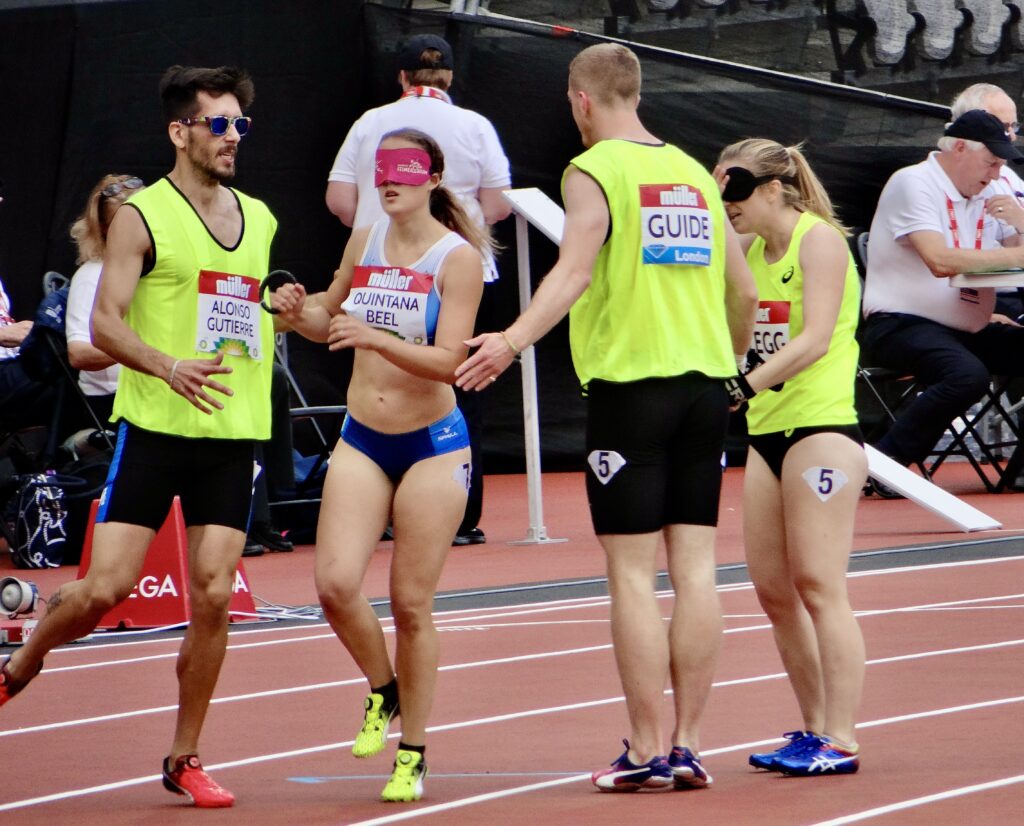
The scarcity of consistent media coverage outside major events, such as the World Para Athletics Championships, Deaflympics, and Paralympics, limits public awareness of disabled athletes and the number of role models available to inspire new generations.
Research by Paralympics GB and market research company Savanta revealed that confidence levels among disabled people in sport and physical activity were significantly lower than in other areas of life.
While 71% felt confident in the workplace, only 31% felt confident in sport or physical activity settings.
Many also reported that their needs were overlooked in sporting environments: 32% said others present ignored them, 36% said non-coaching staff failed to consider them, and 33% said coaching staff did not adequately account for their requirements.
Barriers
Practical barriers – such as inaccessible venues, inadequate adapted equipment, limited changing rooms, and unavailable pool hoists – further restrict participation, particularly for people with complex disabilities.
Only one in four disabled children participated in school sports or PE compared to non-disabled peers, showing how structural inequalities limit access from an early age.
Despite these barriers, disabled people are motivated to be active. Research following the Paris 2024 Paralympics showed that 75% were dissatisfied with their current levels of physical activity.
When asked about future engagement, 41% said they would like to do a bit more exercise, and 33% expressed a desire to do a lot more, demonstrating significant potential for increased participation if barriers are addressed.
The differences in confidence and participation levels do not reflect a lack of aspiration to be physically active among disabled people.
While media coverage and elite performance can inspire, these effects are fully realised only when local opportunities, accessible facilities, and supportive environments exist.
The sports organisation Activity Alliance has launched a new supporter scheme to increase
inclusion in sport and physical activity.
This initiative encourages collective action, knowledge sharing, and advocacy to remove barriers and improve access at grassroots and community levels.
The network is free and open to individuals and organisations committed to creating a future where all disabled people feel they belong in sport and activity.
Appetite for Change
There is a clear public appetite for greater coverage of disabled sport.
Most respondents in the Paralympics GB survey said they would like to see media coverage of disability sport on a level comparable to non-disabled sport, suggesting that interest and engagement would grow if visibility were more consistent.
Despite ongoing challenges, sport offers many benefits for disabled children. Participation builds confidence, encourages teamwork, and fosters resilience, helping young people achieve their potential.
Visible role models, such as Paralympians, provide inspiration and representation, showing what is possible and reinforcing that sport is a space where they belong.
Major sporting events also raise awareness, promote inclusion, challenge stereotypes, and encourage more inclusive attitudes within communities, schools, and sporting organisations.
Inspiration alone is not enough; action is required.
To create a truly inclusive sporting world, we must invest in accessible facilities, provide regular local opportunities, train supportive coaches, and champion disabled athletes year-round.
Only then can every disabled child see sport as a space where they belong, grow, and thrive.
Next Steps?
There is an ongoing need to support disabled children, particularly girls, in accessing and participating in sport.
Major events like the Paralympics and Para Athletics Championships inspire many, but consistent opportunities, representation, equal access, and visible role models are essential for all young disabled people to develop, participate, and feel that sport is truly for them.
Inspiration alone is not enough; action is required. Disability sport receives limited coverage, and opportunities outside major events are often scarce.
To create a truly inclusive sporting world, we must invest in accessible facilities, provide regular local opportunities, train supportive coaches, and champion disabled athletes year-round.
Only then can every disabled child see sport as a space where they belong, grow, and thrive.
Sources:
bbc.co.uk.Article- Football: Euro 2025: Record attendances and carnival atmosphere makes it a hit for Swiss hosts- https://www.bbc.co.uk/sport/football/articles/c6282pm3j6mo
bbc.co.uk. Article: Football- Euro 2022 has helped 129,000 more girls get into football https://www.bbc.co.uk/sport/football/articles/cn8g72eged9o
paralympics.org. Homepage. https://www.paralympic.org
womeninsport.org. Article- ‘Boys will be boys: Creating A New Generation of Male Allies for Girls in Sport’ https://womeninsport.org/resource/boys-will-be-boys-creating-a-new-generation-of-male-allies-for-girls-in-sport/
activityalliance.org.uk. Article- How we Help Research: My Active Future- Including Every Child https://www.activityalliance.org.uk/how-we-help/research/5658-my-active-future-including-every-child-march-2020
bbc.co.uk. Sport- Article- Football- Government’s £600m package for school sport part of Lionesses ‘legacy’ https://www.bbc.co.uk/sport/football/64879490
sportanddev.org.Website- Article- Disability and Gender Disability and gender | sportanddev
funding4sport.co.uk-Document- PDF- Barriers to women and girls’ participation in sport and physical activity https://www.funding4sport.co.uk/downloads/women_barriers_participation.pdf
tandfordonline.com. Paper- Media portrayal of elite athletes with disability- a systematic review
insidethegames.biz. Study reveals media coverage gap between Olympics and Paralympicshttps://www.insidethegames.biz/articles/1148466/study-reveals-media-coverage-gap
instagram.com. Profile- Paralympics GB (@paralympicsgb_official) https://www.instagram.com/paralympicsgb_official/
savanta.com. Homepage. https://savanta.com/
instagram.com. Post (@paralympicsgb_official). Groundbreaking research…. https://www.instagram.com/p/DRzLFf_CC4f/
activityalliance.org.uk. Petition. Activity Alliance Supporter. www.activityalliance.org.uk/supporter
instagram.com. Post- @durhamwfc- Congratulations to Sophie Dancombe winning bronze at the Tokyo Deaflympics! https://www.instagram.com/p/DTaGqhCgLJq/
External Sources:
activityalliance.org.uk. News- Disabled Girls Half as Likely as Boys to Dream Big in Sport
bbc.co.uk. BBC News-Article- Education- Low confidence and periods stop girls liking PE, Youth Sport Trust survey suggests https://www.bbc.co.uk/news/education-67063845
wix.com. Blog Post- How media coverage affects perceptions of disability in sports https://ineshg8.wixsite.com/gastronomyinmadrid/post/how-media-coverage-affects-perceptions-of-disability-in-sports
Photos: Helen M Jerome, Instagram