
Why we need to talk about endometriosis – Lilly Nägeli’s experience with the disease
Swiss athlete Lilly Nägeli speaks to Olivia Franks on her decision to open up the conversation surrounding endometriosis – and push back against the deeply-rooted misogyny that’s held up studies of the disease.
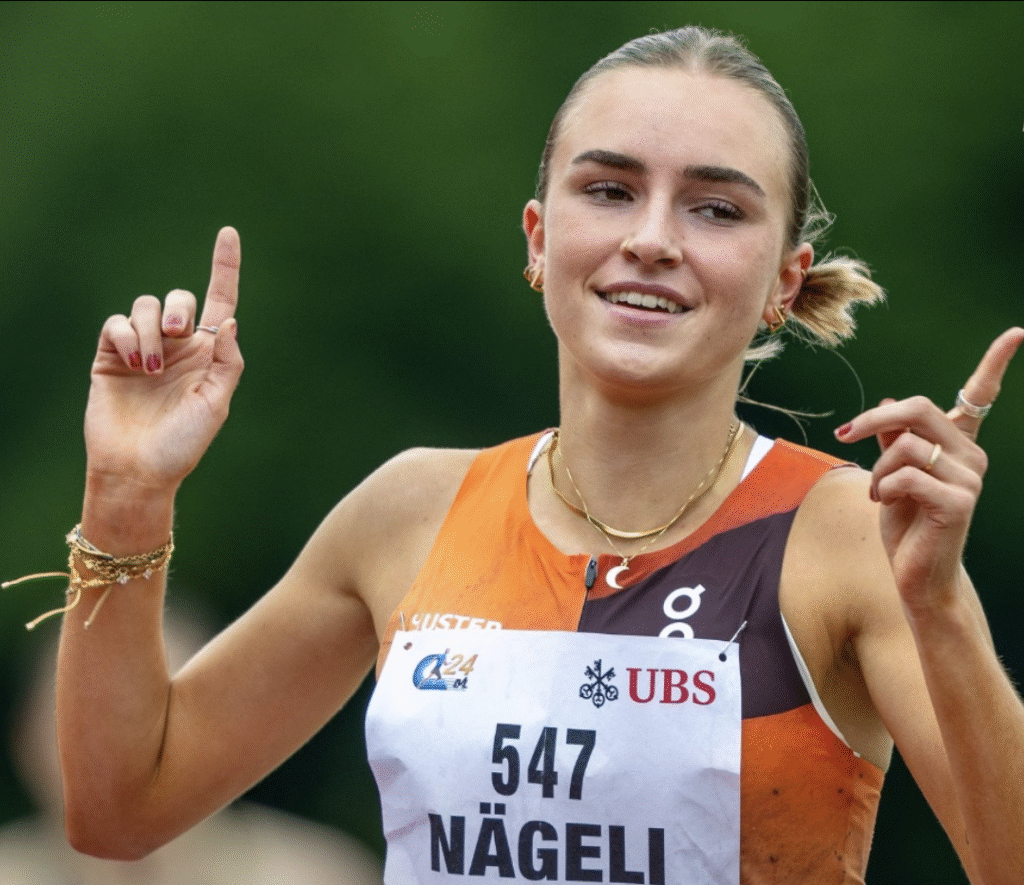

Endometriosis affects one in ten women across the world, and it hurts like hell.
‘Endo’ stops you in your tracks. It stops you from standing up and forming words, from doing anything other than breathing raggedly through the mind twisting pain.
Sometimes it even feels like you can’t breathe.
It also looks different for every sufferer.
With 10% of reproductive-aged women worldwide being affected by endometriosis, that is nearly 200 million manifestations of pain.
But what actually is it?
The World Health Organisation says endometriosis is what happens when endometrium-like tissue (usually found only in the lining of the uterus) grows outside the uterus, causing inflammation and scar tissue formation.
Amidst pre-season prep for an exciting 2026 outdoor season that includes a European Championships in Birmingham, Swiss athlete Lilly Nägeli spoke with Olivia Franks on her decision to open up the conversation surrounding endometriosis.
Deeply-rooted Misogyny
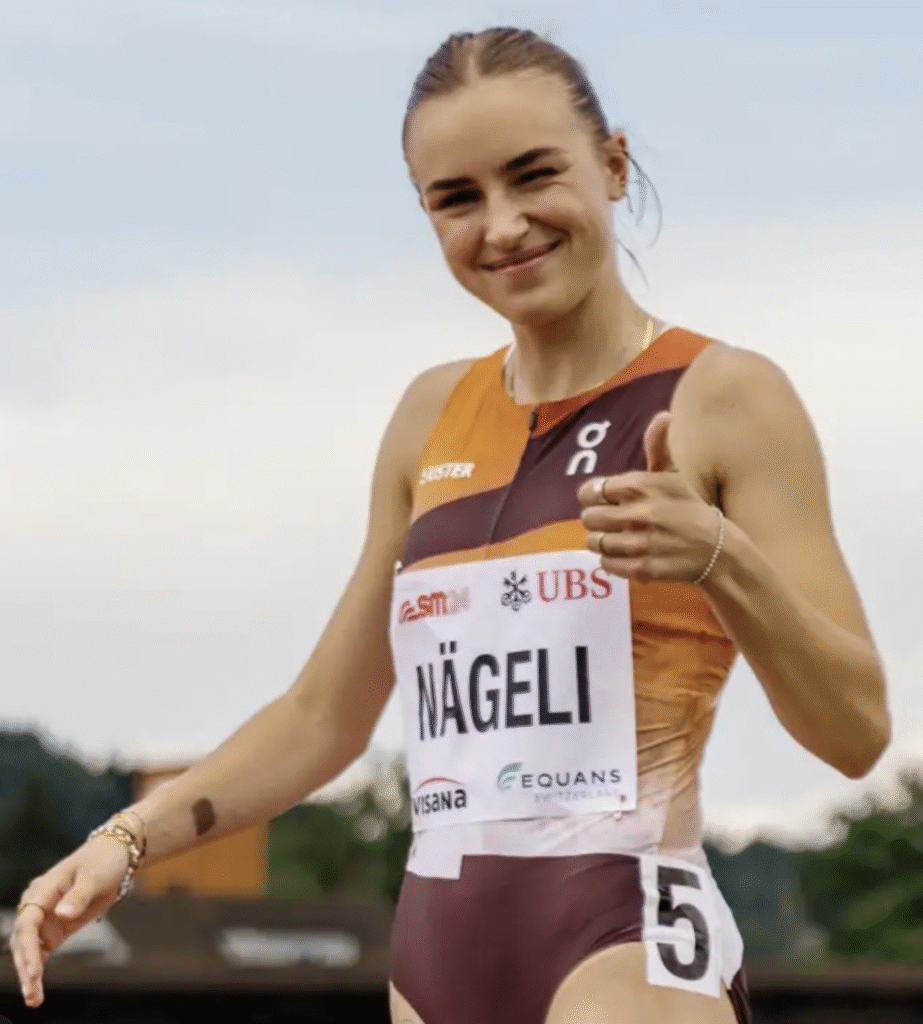
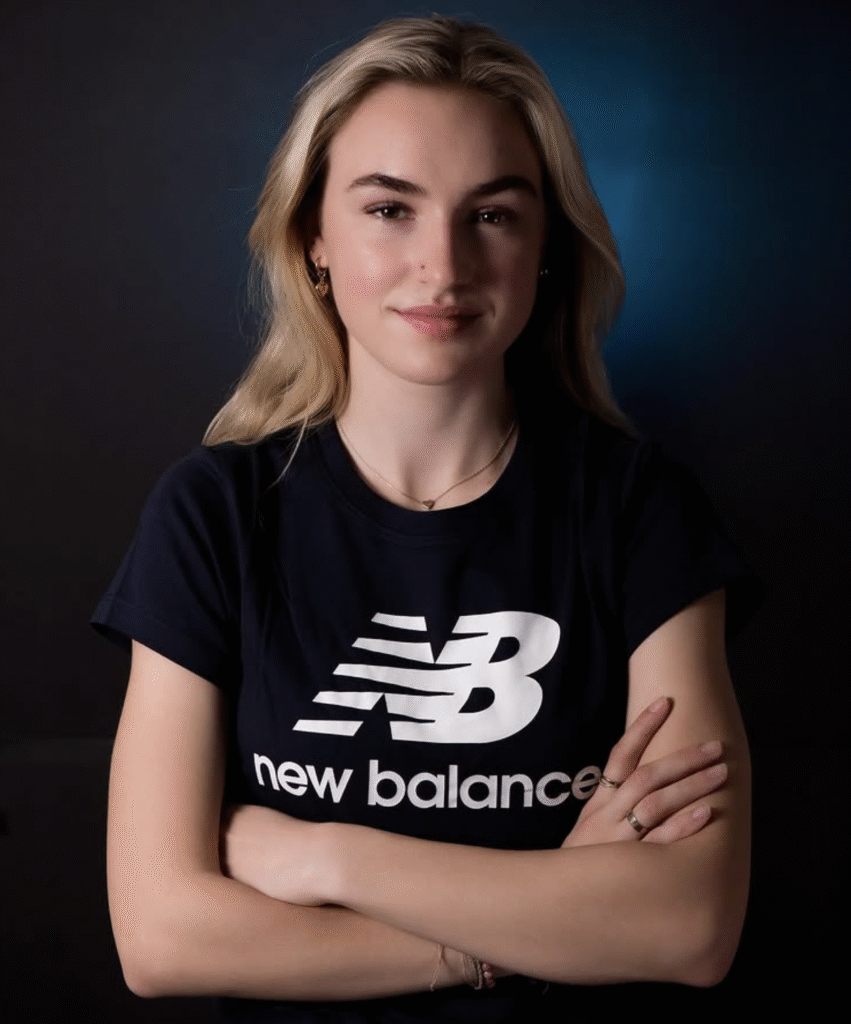
Nägeli says: “It’s so important to talk about the things I’ve experienced. I don’t want to only move as an athlete and have my goals, but also try to give back with what I’ve gone through.
“To me, there’s no other reason than deeply-rooted misogyny to not do the studies. Do the research because we have so many things on this earth – you cannot tell me that there’s no cure for endometriosis, or we don’t have the resources to do something about it or do more.”
Upon coming off the pill, the then 18-year-old middle distance runner realised something was seriously wrong with her periods.
“I just felt something was off. On the first day [of her period], it wasn’t possible for me to move. I had to take as many painkillers as I could.
“I even went to the specialist doctor from our federation for women’s health, and it never came up that it could be endometriosis or adenomyosis.”
The Swiss Athletics Federation provides annual check-ups for athletes, but it does not include reproductive checks.
Indeed, adenomyosis typically shows up in women between the ages of 35-50, rather than teenage athletes.
Cloud of Doubt
And so, a cloud of doubt engulfed Nägeli who struggled mentally and physically trying to decipher the root cause of her pain.
It was not only impacting her budding career as a middle-distance runner but her general quality of life, too. The amount of painkillers Nägeli was having to consume caused disruptive digestive issues, she gained weight and harmed her relationship with food.
“It was very difficult to manage the feeling of not looking like you want to look and not feeling like you want to feel at the same time.”
The diagnostic process led her from doctor to doctor. It wasn’t until a year and a half later that Zurich-based Nägeli found a specialist in Lenzburg, Switzerland through her own research.
She had to wait six months to get an appointment at Tana AG – Kompetenzzentrum für Endometriose, a centre specialising in chronic pelvic pain and endometriosis, where detailed ultrasounds finally confirmed endometriosis and adenomyosis.
A search for answers that takes years isn’t abnormal. According to Endometriosis UK, the average length of a diagnosis in this country is nine years.
Not Alone
“I was at a point where I didn’t trust myself anymore. I was like, am I crazy or something? It was a relief to finally have something where I can be like, I really have a problem.
“It was the first time where I was like, I’m not alone. I’m really, really not alone.”
While there is comfort in a diagnosis, neither the cause nor the cure is known.
A historic lack of research means that treatments exist, but they are limited. The surgical options are invasive, often have to be repeated, and require significant time off work and sport.
However, on the positive side, this year has seen a rise in scientific developments regarding the chronic disease: Penn State scientists developed tech that non-surgically detects endometriosis biomarkers.
The NHS approved Linzagolix, a daily pill to treat endometriosis, for use earlier this year, and Oxford University unveiled research that there is a genetic link between endometriosis and immune conditions.
On a policy level, in 2023, Spain became the first country in Europe to introduce period pain leave into law.
“You kind of get crazy because you feel like one day you can do everything. You function; you train your body as well. And then the next day it just flips. And I feel like I have depression. I feel like I can’t handle my pain.”
With endometriosis finally being taken seriously, the 800m and 1500m specialist felt as though she was being understood for the first time.
“It was always because I’m like this unstable person or this difficult athlete, which was really frustrating sometimes because it wasn’t that I didn’t want to do it.
“I think probably 50% of my trainings had to be adapted before. I had probably two trainings a week where I was like, I can’t do it. And we never knew why.
“You kind of get crazy because you feel like one day you can do everything. You function; you train your body as well. And then the next day it just flips. And I feel like I have depression. I feel like I can’t handle my pain.”
Healthier
Coming out the other side, and managing her period with the pill, Nägeli’s relationship with herself has never been better.
“I’m way more myself. I’m so much healthier overall. I had to learn a lot about what I, as a woman, need from food and vitamins and supplements.”
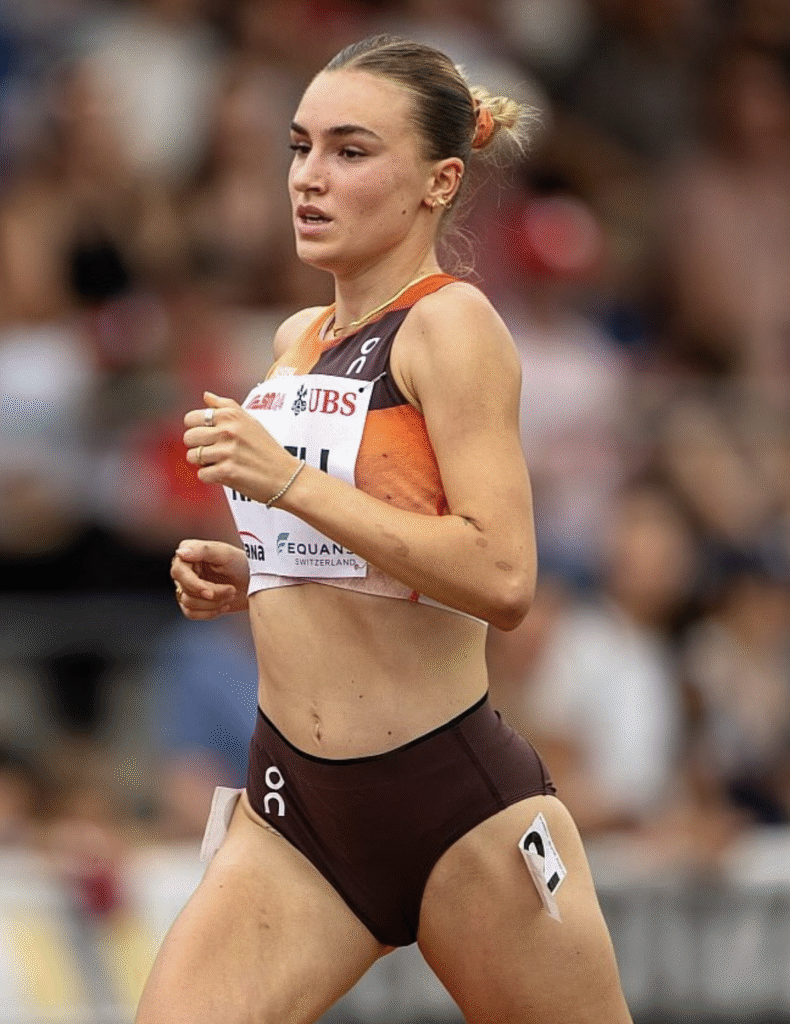
It showed on track, too. After coming second in the Swiss National Championships for the 1500m, Nägeli was able to accomplish a childhood dream.
She represented Switzerland in Tokyo at the World Athletics Championships this past September, clocking 4:12.30 in the heats.
“It was amazing. I didn’t expect it at all. When I started the year, I was nowhere.
“It was just so much more fulfilling than if I would have just someday went to the World Championships and never had these struggles. It’s so much more special to me because I know it’s not like I don’t take it for granted at all.”
Nägeli was billed to run in the mixed relay at the European Cross Country Championships mid-December, but was replaced by Delia Sclabas at the last minute due to infection.
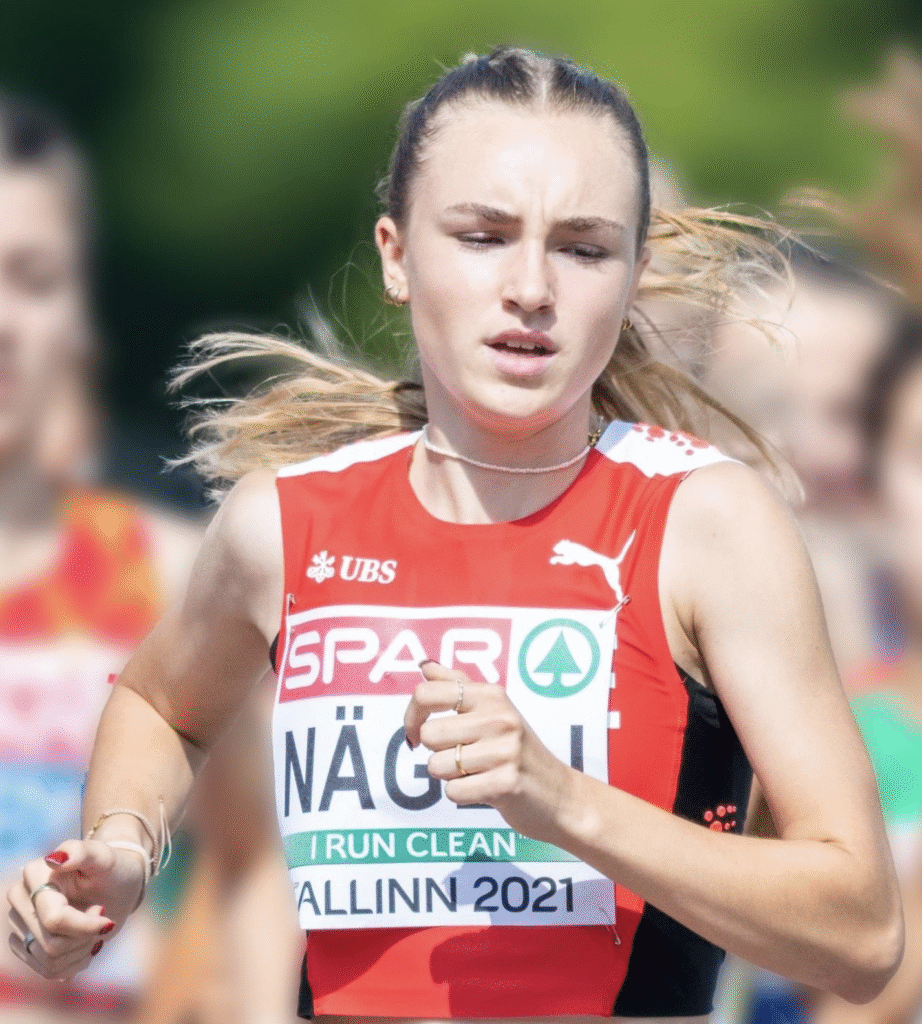
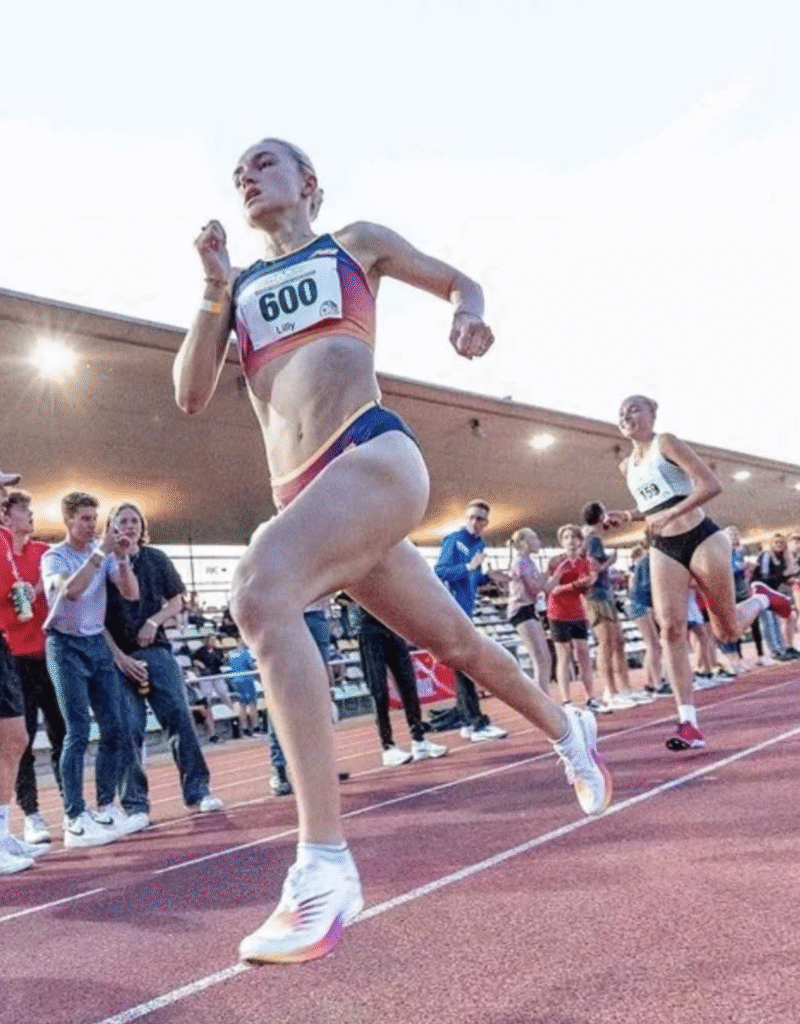
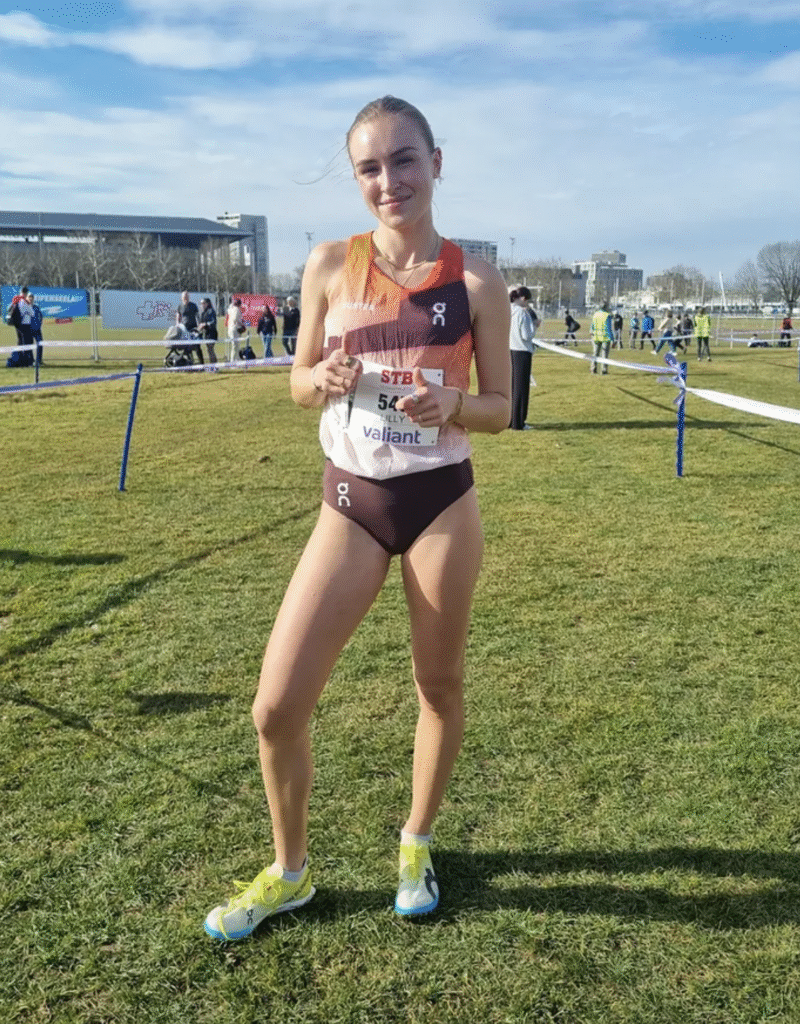
She’s got an eye on Birmingham, where she will aim to make the Swiss team for the European Athletics Championships in August, competing in a stacked 800m field that’ll include home favourites Keely Hodgkinson and Georgia Hunter Bell.
The 22-year-old’s advice to anyone suffering with similar reproductive issues?
“I think it’s so important to not give up on the feeling that you have. To not give up if you think something is really wrong. Don’t let anyone tell you that you’re overreacting or your pain isn’t real, or your problems aren’t real.
“Women are not little men. I think there’s a responsibility for men to understand the female body because there’s so much suffering, and it’s so much silent suffering.”
With Lilly opening up this topic of conversation, it looks like the suffering won’t be silent anymore.
Photos: Instagram