BRANDS NEW – Beauty and Business (and Barbie)
While traditional sports sponsors like Nike and Adidas dominate the headlines, women’s sport has shed light on an evolving endorsement landscape.
From Barbie to beauty these new sponsorship giants are stealing the show in women’s sports. And by achieving astonishing engagement, they could be reshaping what sports marketing looks like. Ella Manning investigates.
Research from the Women’s Sport Trust (WST) in July, found people’s awareness of women’s sport’s sponsorship has reached a record high. The study found 28.9 million UK adults had knowledge of at least one partnership.
Consumers feel a greater emotional connection to women’s sports. This translates to higher favourability, and greater purchase intent for sponsoring brands.
Nearly 10 million shoppers are more likely to buy from brands that sponsor women’s sports, compared to 8.38 million for men’s sports. That’s nearly a 19% higher purchase intention for women’s sports.
The WST told us that this drive sheds light on what women’s sport represents: fairness, inclusion, and community. Brands that align with these values and activate their sponsorships in purposeful, authentic ways are earning deeper levels of trust and advocacy.
“Women’s sport sponsorship works – but it works differently. It demands a different lens, different activations, and a sharper focus on relevance, values, and storytelling,” says WST CEO Tammy Parlour (bottom of page, centre). “The brands seeing results are those showing up consistently and meaningfully. The message is clear: brands that act now can help shape the future of women’s sport, and win consumer trust in the process.”
She added: “Looking ahead, the Women’s Sport Trust believes the next phase of growth will come from long-term, values-led partnerships. Partnerships that move beyond visibility to deliver genuine cultural and commercial impact – building loyalty, driving social change, and investing in the future of women’s sport.”
Revolutionary
Sponsorship for women’s sport has become especially creative over the past few years, but this summer saw revolutionary ideas for endorsement.
We all know England’s Red Roses captured the hearts of the nation – especially when they brought home the Rugby World Cup in September. And lucky for us, we can now take home our own Red Rose souvenirs through their sponsorship with Barbie, in the shape of t-shirts, hoodies and replica balls.
In what marks Mattel’s, the owner of Barbie, first partnership with a sports team, they made a £20 thousand donation to the RFU, as part of the Barbie Dream Gap project, to support increasing female player numbers.
Research has found that a third of young girls disengage with sports by the time they turn 14, driven by worries over body confidence and self-doubt. But in a world of pressure rugby has the power to transform how girls see themselves – it builds body positivity, self-acceptance and shows that strength comes in every form.
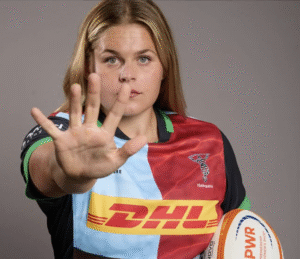
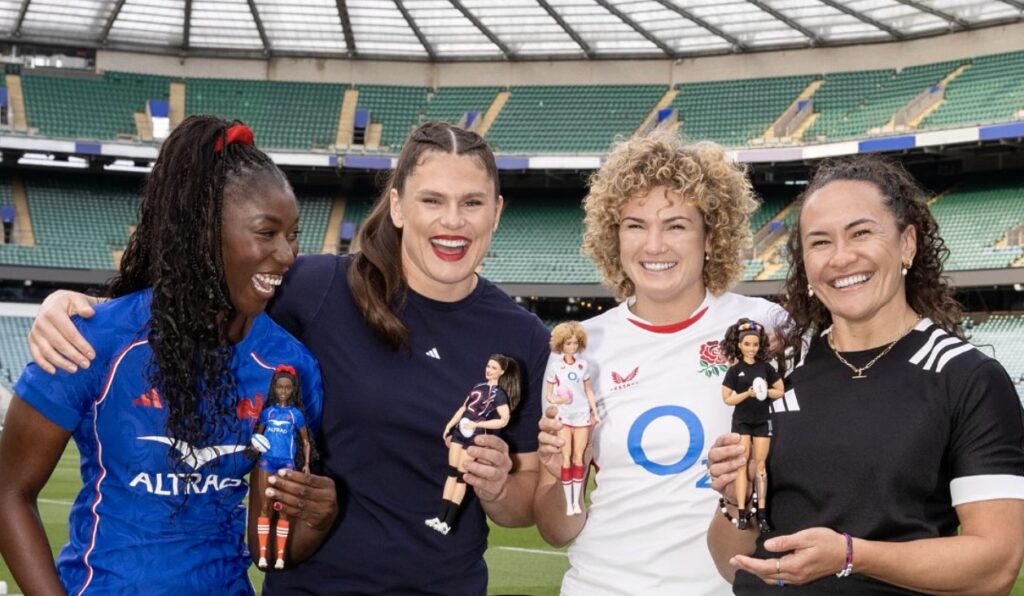
The partnership created one-of-a-kind dolls modelled on players, announced by Red Roses team captain Zoe Aldcroft, plus key England players Sarah Bern, and Sadia Kabeya (below, left).
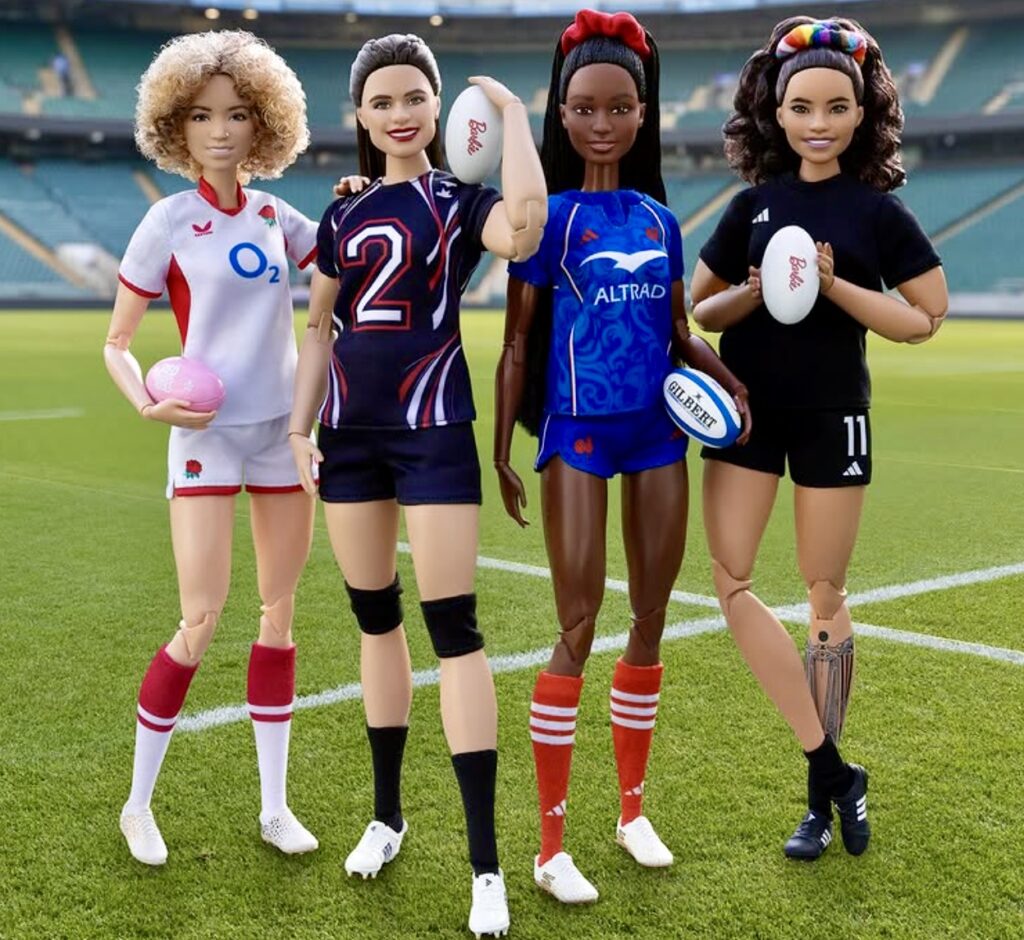
Then came actual models of Team USA’s social media queen Ilona Maher, Red Roses’ superstar Ellie Kildunne, Black Ferns icon Portia Woodman-Wickliffe, and France’s exciting Nassira Konde (above; and below, right). These dolls come complete with an all-new body sculpt featuring a straighter, more athletic torso, visibly defined arms, shoulders, and legs, plus sculpted core and back muscles – and the plan is for them to be in the shops by 2026.
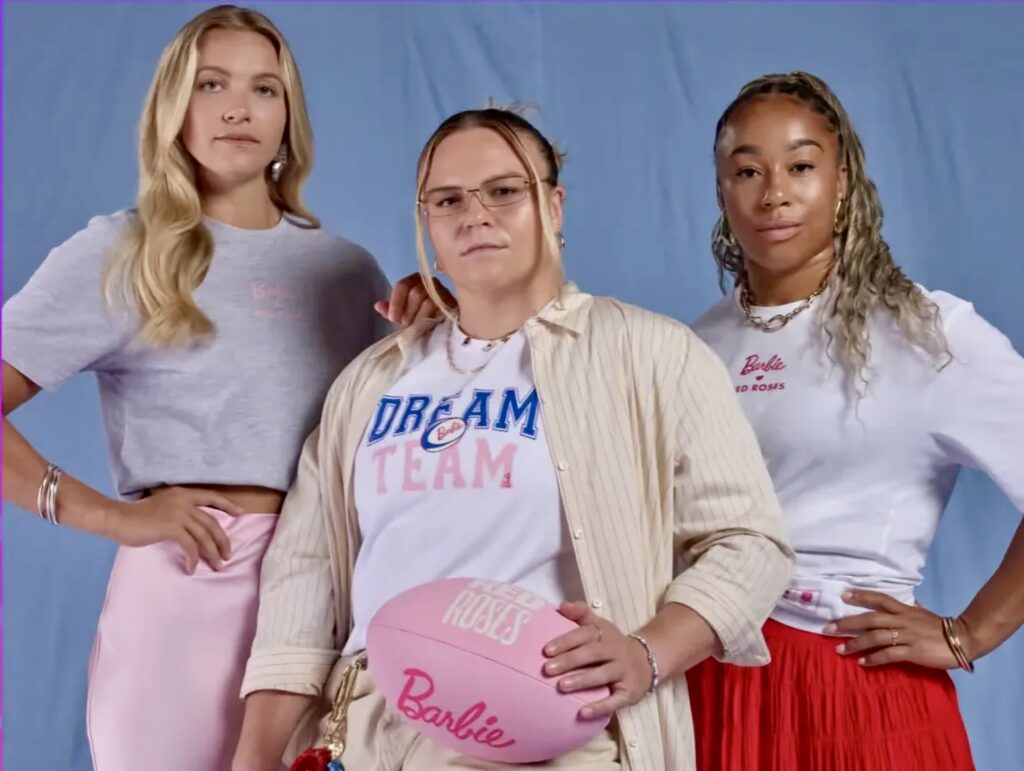
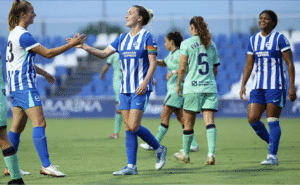
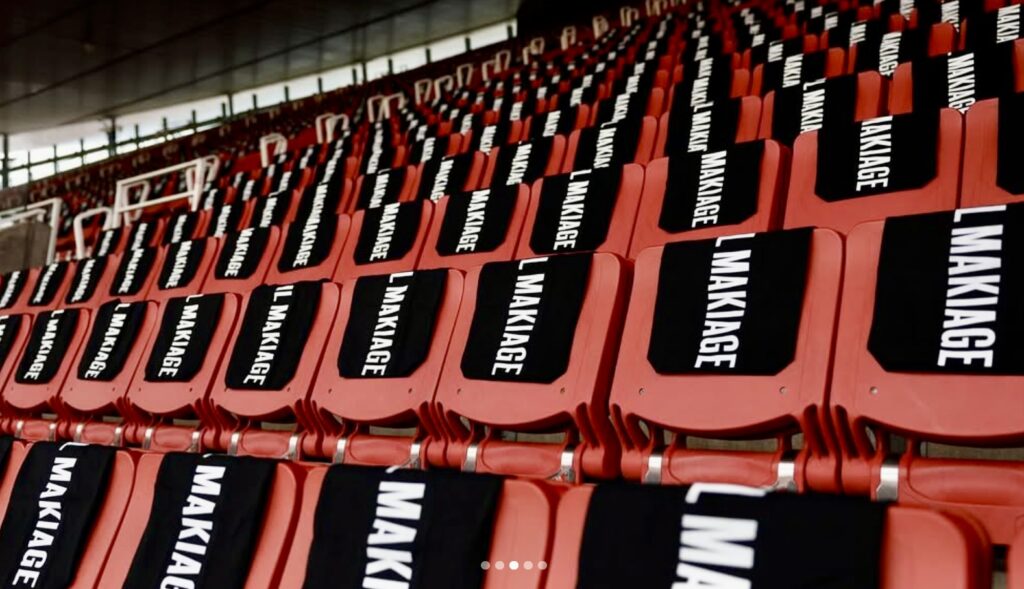
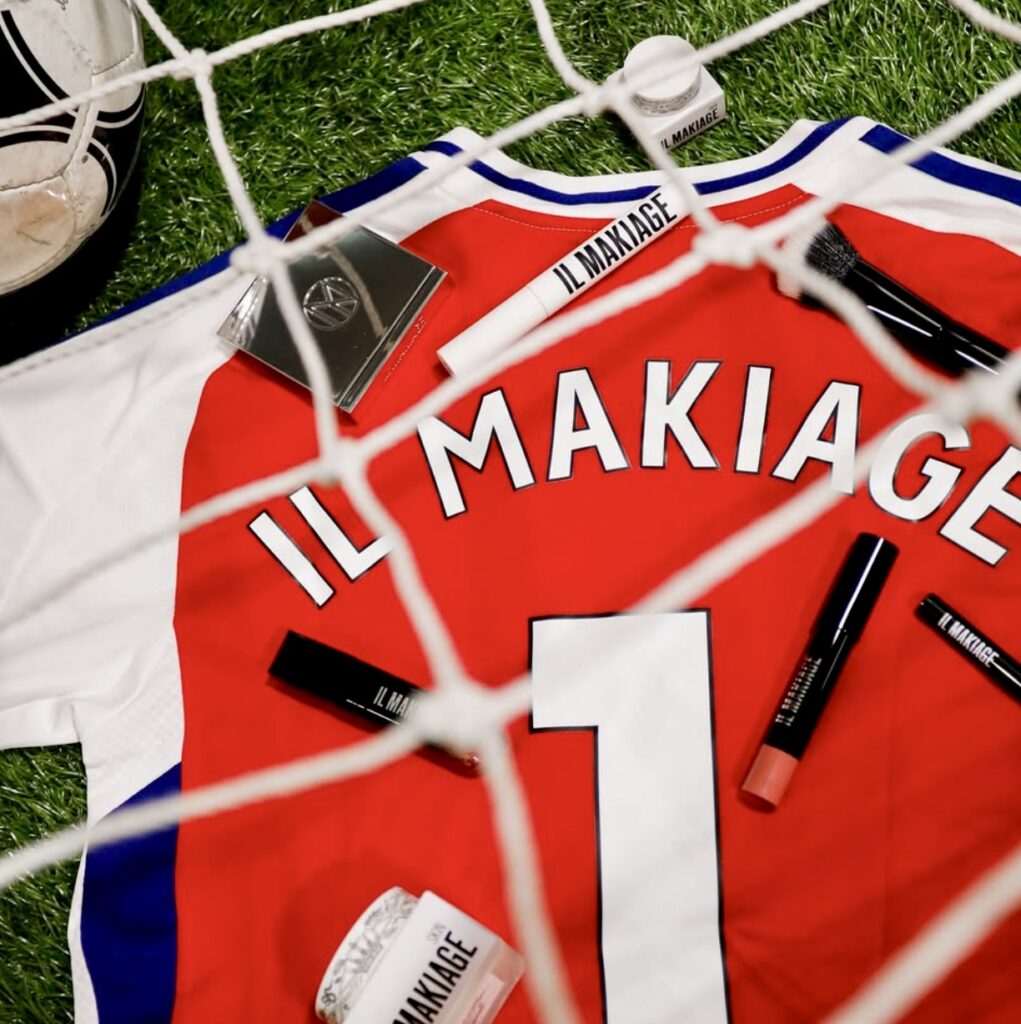
Women’s sports sponsorship stretches further into the realm of beauty products. For example, make-up brand Il Makiage, has partnered with Arsenal Women since 2022 (below; left and right). This partnership launched under the campaign name ‘Focus on My Game Face’ and its goal was to celebrate talent, passion and impact of women’s football. The underlying themes of these sponsorships lie in evoking confidence for women in sports.
But what does the landscape of sponsorship look like going forward?
Risa Isard PhD carried out a study into Generation Z’s ROI (return on investment) in women’s sports in the US, their research found that sponsoring brands will need to gear up their focus towards Gen Z.
Isard’s research found American Gen Zs are more aware of women’s sports sponsorship than any other generation, and 50% of Gen Z trust that women athletes believe in the products in which they are promoting.

But this survey also revealed in comparison to other generations Gen Z are most likely to believe that brands are not investing enough in women’s sports in women’s sports. This study suggests that the best means of getting more ROI for sponsorship is to engage Gen Zs as a key target market, especially as 35% of Gen Z say sponsorship of women’s athletes means they are more likely to buy from a brand.
Sponsorship in women’s sports has seen record awareness, launched stronger emotional connections and has Gen Zs demanding change, endorsement in this area has moved from a niche opportunity to being imperative for marketing.
Successful brands today aren’t just following trends they are helping shape the future of women’s sports. And if the numbers tell us anything, this is only the beginning.