
FRAN-TASTIC! British tennis ace Fran Jones speaks
Francesca Jones is a 25-year-old tennis player from Bradford, who has been based in Barcelona since the age of nine. She plays across the circuit, has beaten the likes of Venus Williams and represents Britain in the Billie Jean King Cup.
She’s also defied the naysayers and doctors, who told her that her rare medical condition meant she’d never become a professional. But this just fuelled her desire.
Jones tells Helen M Jerome about her admiration of Venus and Serena, her friendship with Emma Raducanu, and thinking outside the box.
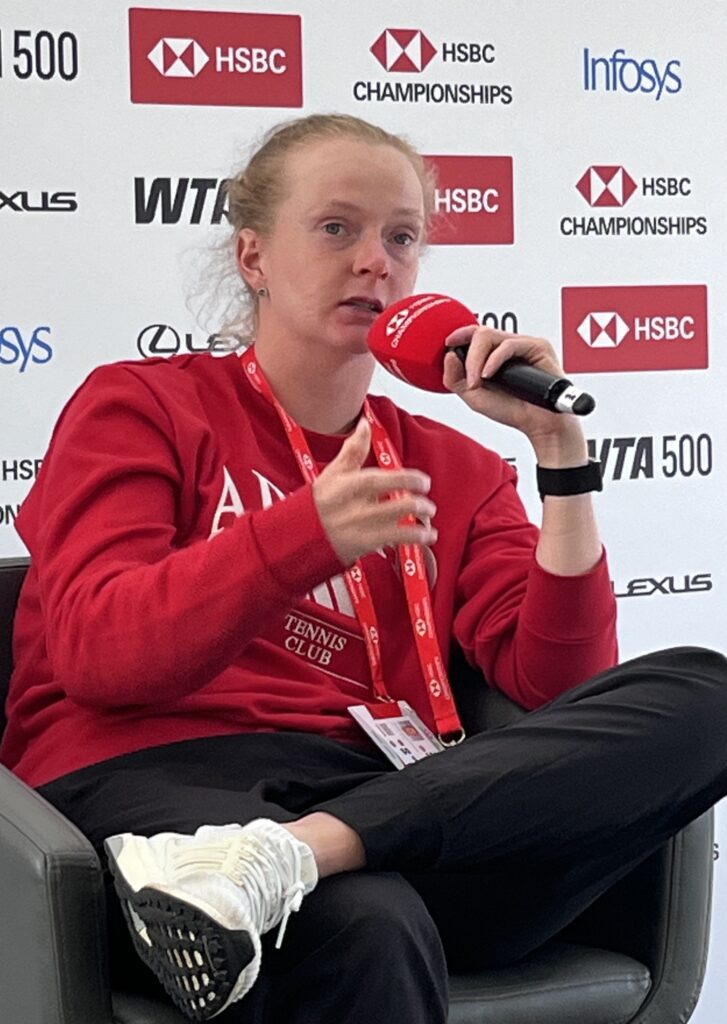
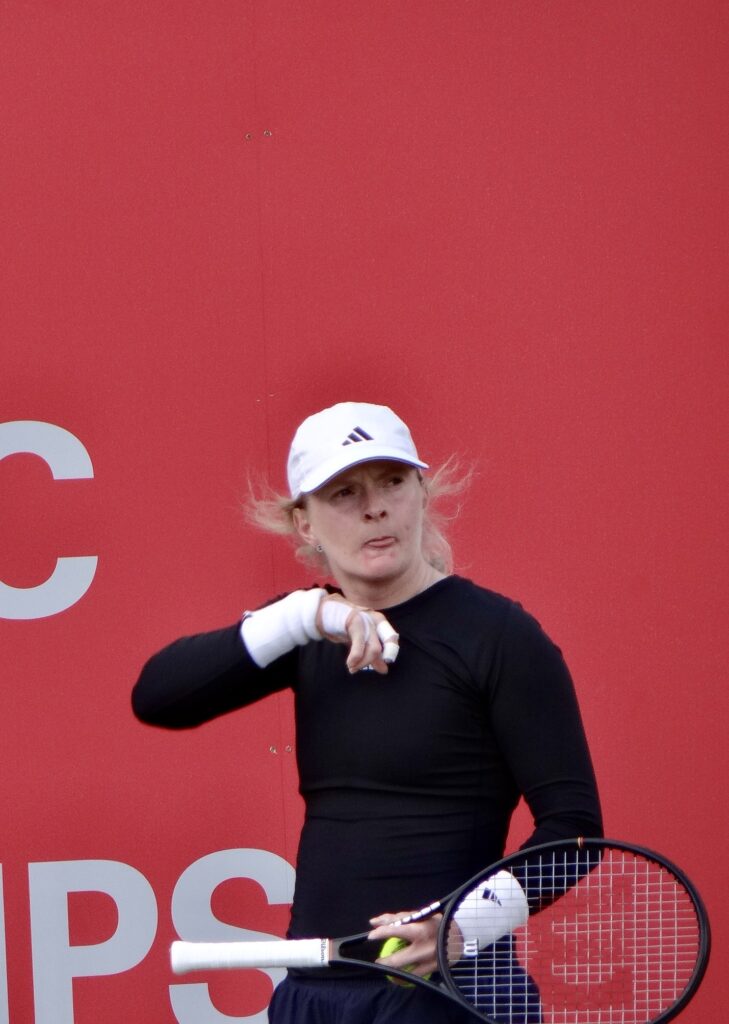
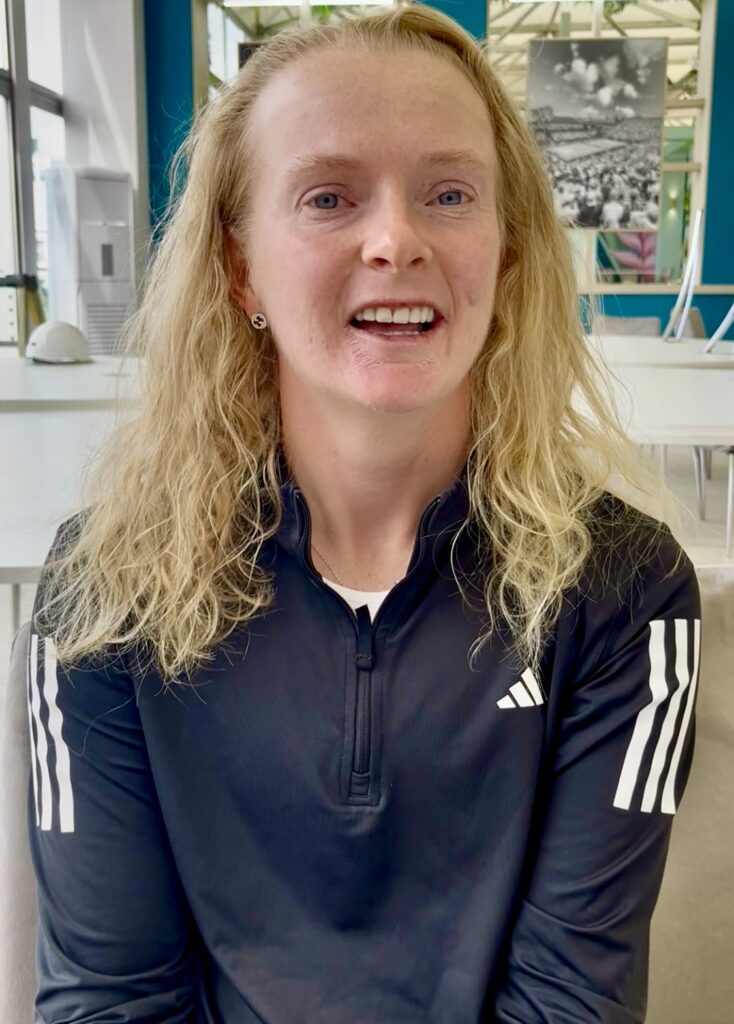
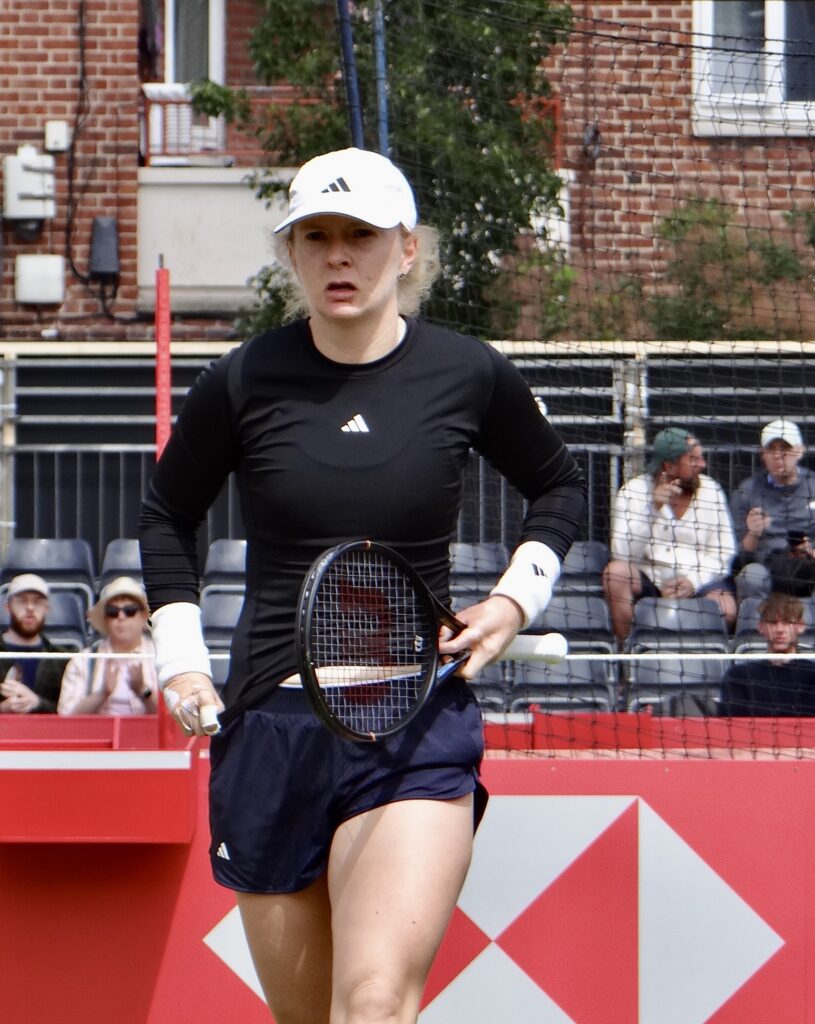
Fran Jones was born with a thumb and three fingers on each hand, and with only seven toes, as a result of a rare genetic condition, ectrodactyly–ectodermal dysplasia–cleft syndrome (EEC). But even though this has meant all sorts of injuries, setbacks and adaptations, she pushes on through.
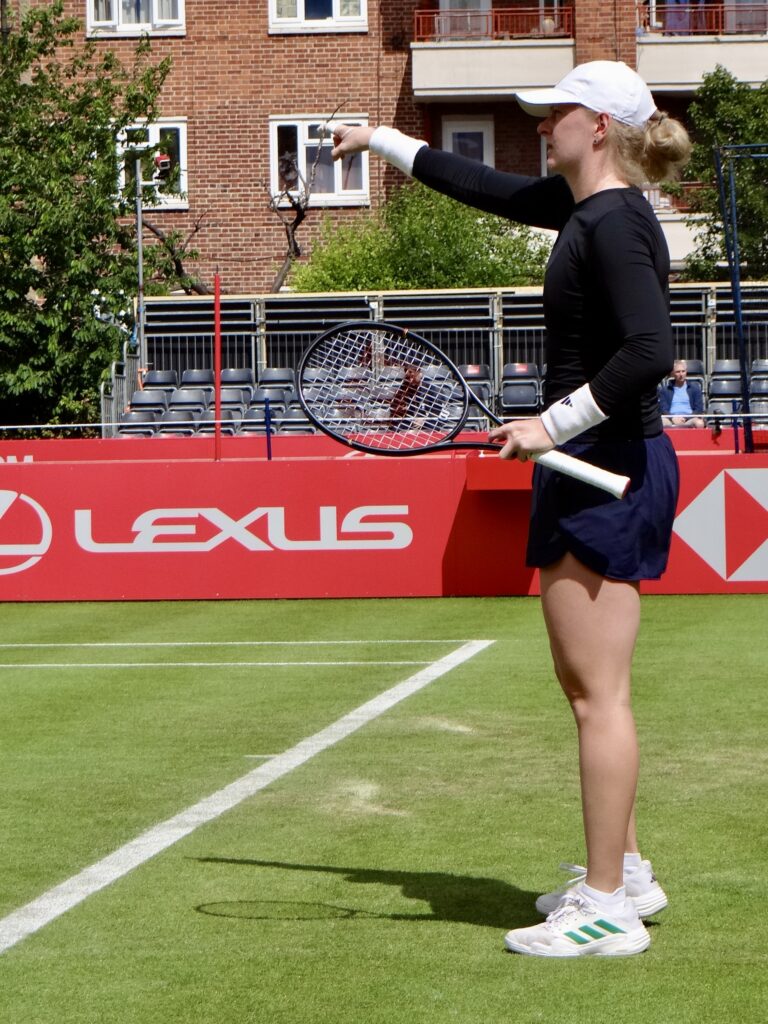
On court she favours a lighter racket with a smaller grip, and she is aware that her footwork can let her down. But you won’t meet a stronger character in tennis. As I discovered when I spoke to her…
Can you describe your style and character as a player?
Relentless, and I would say resilient.
I feel like I express myself a lot through my tennis and through the problem-solving that I try and keep getting the best out of myself on match court.
Clay is your preferred surface, so what is the specific challenge of grass at Queens and Wimbledon?
I think it really is a good opportunity for me to keep developing my variation. I have a lot of variation in my game.
I like to slice and it’s a good opportunity for me to keep improving going to the net, which is something on a clay court that I’ve been trying to do a little bit more.
I feel I’ve had good wins across all surfaces really.
So I don’t really feel any sort of stress towards different surfaces.
I just think for the grass you really can’t lose concentration.
Do you have an overweening ambition, a goal in your tennis?
I think every kid starts off with the obvious goals, but for me it’s honestly I just want to see myself improving all the time and getting better and making myself a better tennis player and then fulfilling that potential.
And that takes me wherever I can, you know, the women’s game is very open.
There’s opportunities for growth and then there’s these random weeks where suddenly they can propel you to a much higher ranking, like Maja Chwalińska [runner-up at Roland Garros, having come through qualifiers].
I feel I’ve had good wins across all surfaces really.
So I don’t really feel any sort of stress towards different surfaces.
I just think for the grass you really can’t lose concentration.
Couple of places I want to ask you about, first what does Yorkshire mean to you?
A lot. It’s my roots, you know.
I haven’t managed to spend much time there since I moved away, but still very true to it and still have my accent, still stick to a couple of traditions, Sunday roasts.
I truly love where I come from and I think for me it’s important never to forget that.
With somewhere like Barcelona where you spent a lot of time as well. Was that influenced by Andy Murray going there, etc?
I think there was a little bit of influence there, but the big thing for me was when I was up north and I was younger, my coach at the time said that he felt like he couldn’t take me further.
And the best places to move to would be the US or Spain for tennis and my parents obviously didn’t want to ship me off too far to the US.
So Spain was a great solution where they could still spend some time with me and it’s a better opportunity to become bilingual.
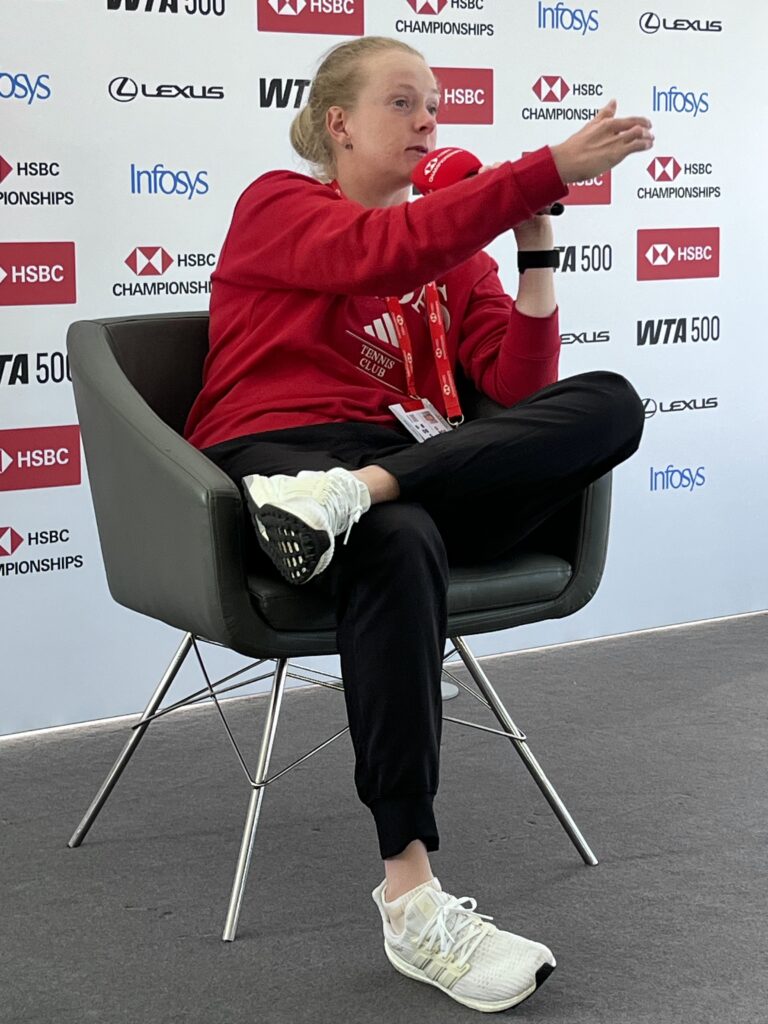
How can you be a role model and show those with setbacks, like you have your EEC syndrome, how can you show them that they can still succeed?
I’d like to think that in the future, when I finish my career, I’ll be able to answer questions for people who are hoping to follow in similar footsteps and make it easier for them with the right guidance and sending them down the right path.
I hope that the better I do, the more my story can grow and I can influence people not just to pick up rackets, but just to pick up sport as a whole or truly just pick something they want to do and go after it.
How do you manage things like fatigue, as well as mental stress, especially in an individual sport?
I think what I’ve learned is play when you’re ready to.
That’s the best advice I can give.
I hope that the better I do, the more my story can grow and I can influence people not just to pick up rackets, but just to pick up sport as a whole or truly just pick something they want to do and go after it.
You idolised, then beat Venus, and now Serena is back too, and I wonder how that feels to you.
Oh, I mean phenomenal. They’re both still on the wall of my room in Barcelona, they are two trailblazers, two game changers.
I don’t think that we would be maybe not even be playing at clubs like Queen’s if it weren’t for them.
They shaped our game, they shaped women’s sport in my opinion, and I think every female athlete has to thank them for the character that they brought to sport.
I was watching you play out on Court 5 at Queen’s, and the wind was just ridiculous, wasn’t it? I was watching, on the far side, the pigeons couldn’t even land because the wind was tossing them about.
Yeah, I mean, obviously the benefit of being on Centre court is it’s a little bit more covered.
Court 5 is probably the most open match court.
Yeah, it was a little bit tricky, but it’s the same for the opponent.
Unfortunately, those are the conditions, and it is what it is. Can’t complain.
How do you feel coming out of this loss to Laura Siegemund, and going into the next lot of grass? Do you feel you got to grips a little bit with the grass and problem-solving today?
I think she’s a really good opponent to teach you what you need to keep doing better.
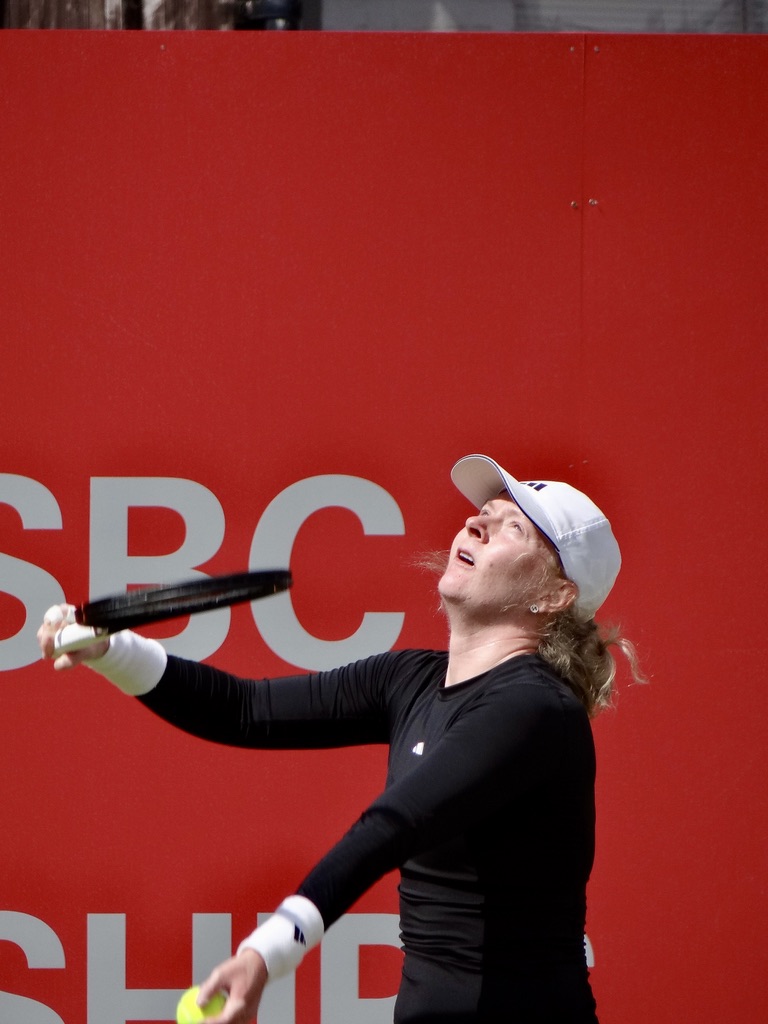
Yeah, ultimately for me, I lost the match because of the return, and probably the return is the hardest thing to make that switch.
On a clay court, I will be returning two metres behind, hitting a heavy ball. On a grass court, you can’t do that. I think that adjustment is the main thing I need to change.
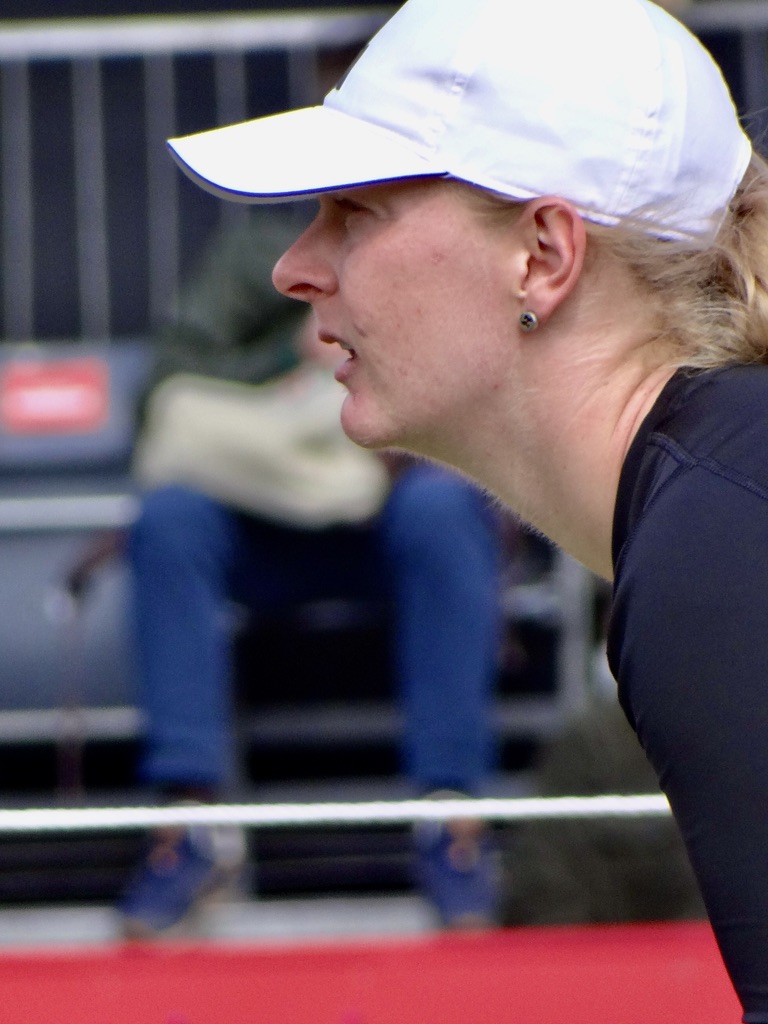
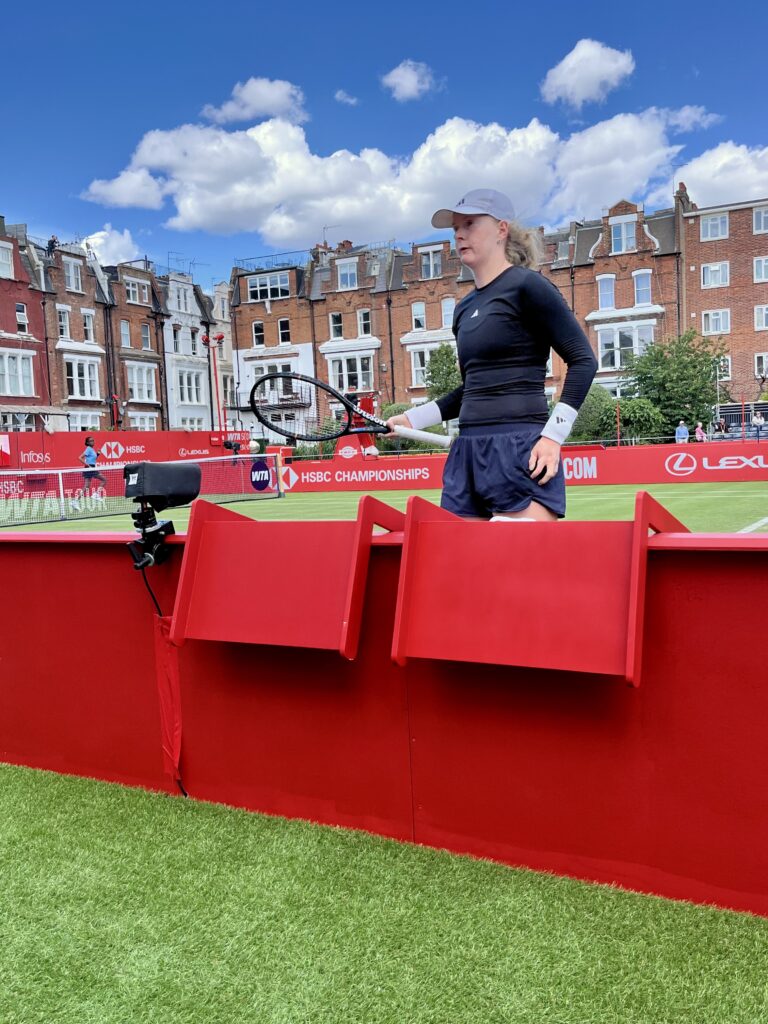
What positives do you take out of today’s match?
Off the back of the court, probably the stats for points longer than three shots were probably very heavily in my favour.
You have a strong friendship with Emma Raducanu, and I wondered how that started? And what bonds you two?
We grew close at the Billie Jean King Cup and we are both people who like to think outside the box, and try and come up with things from a different angle.
Not just tick box every day.
We like to be creative and really make sure that we cover every angle and every corner.
[Emma Raducanu and I] are both people who like to think outside the box, and try and come up with things from a different angle.
Not just tick box every day.
Are you foodies as well?
Yes, big foodies!
What kind of food?
For me, any type of food, every cuisine, I’m always trying new restaurants – I’ve got my restaurant list across the globe which I’m developing.
I like to make sure that I can help people with recommendations!