

MAYBE. MAYBE NOT. The lottery within women’s football
Women’s football has grown quickly over the past few years. But scratch the surface and it’s still a lottery as to whether your team is around next season.
Not a lottery in the traditional sense of luck; a lottery based on who is making decisions at the top of the club. Women’s teams often feel expendable to some and everything can change overnight, regardless of results.
Clare McEwen explores the opposite ends of the fragility spectrum after recent news from Plymouth Argyle and Actonians.
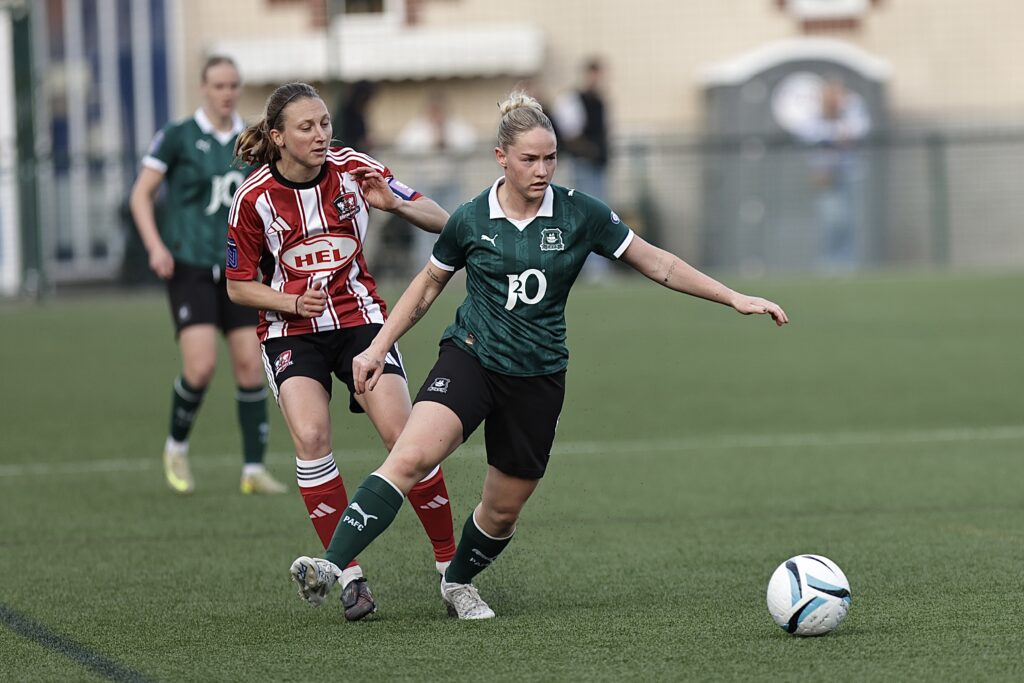

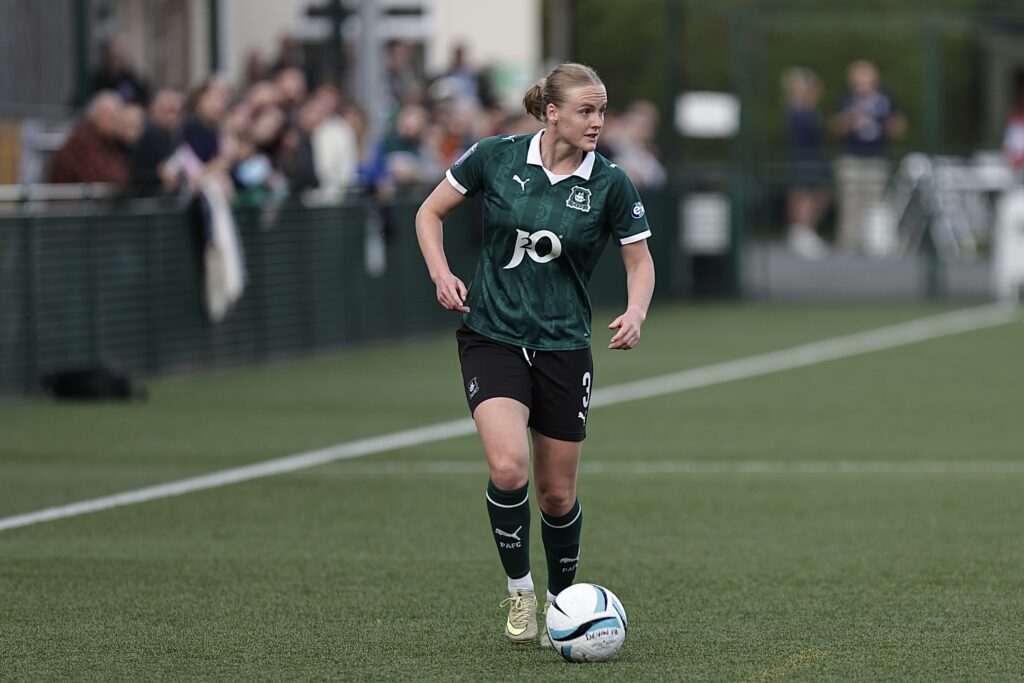
Lottery Losers: Plymouth Argyle
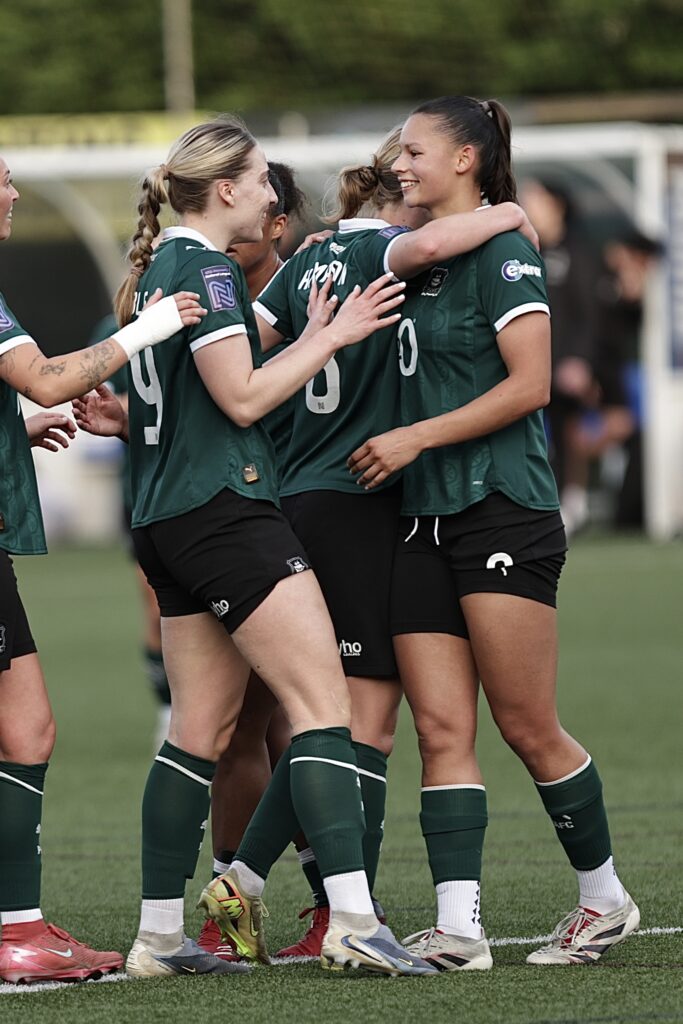
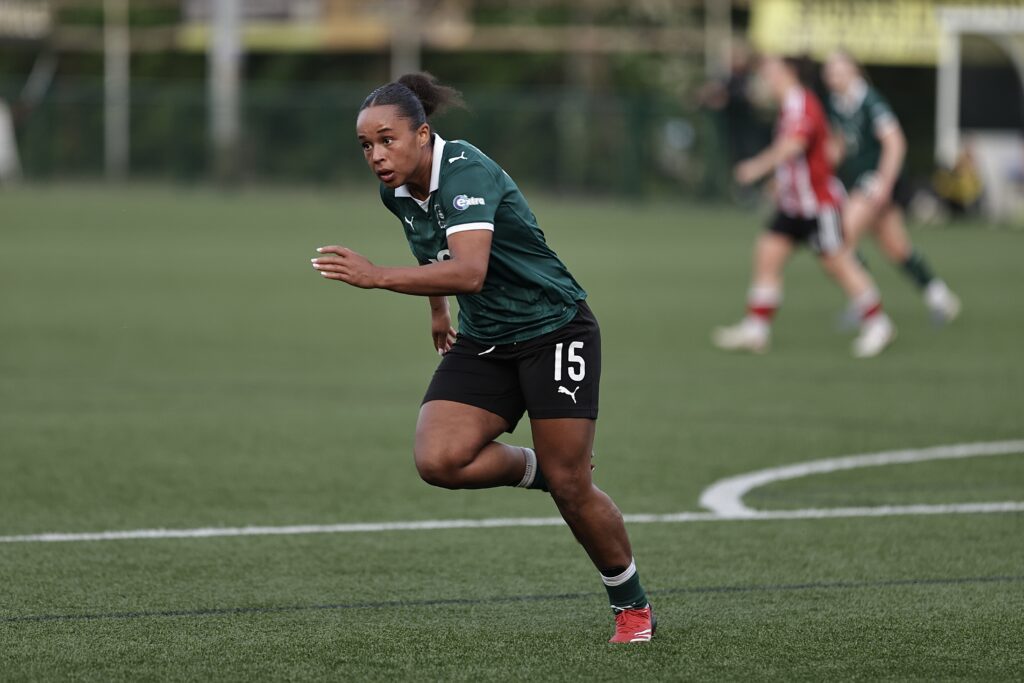
A few days ago, most of Plymouth Argyle’s players were told – by email – that their contracts wouldn’t be renewed and they would be let go by the club.
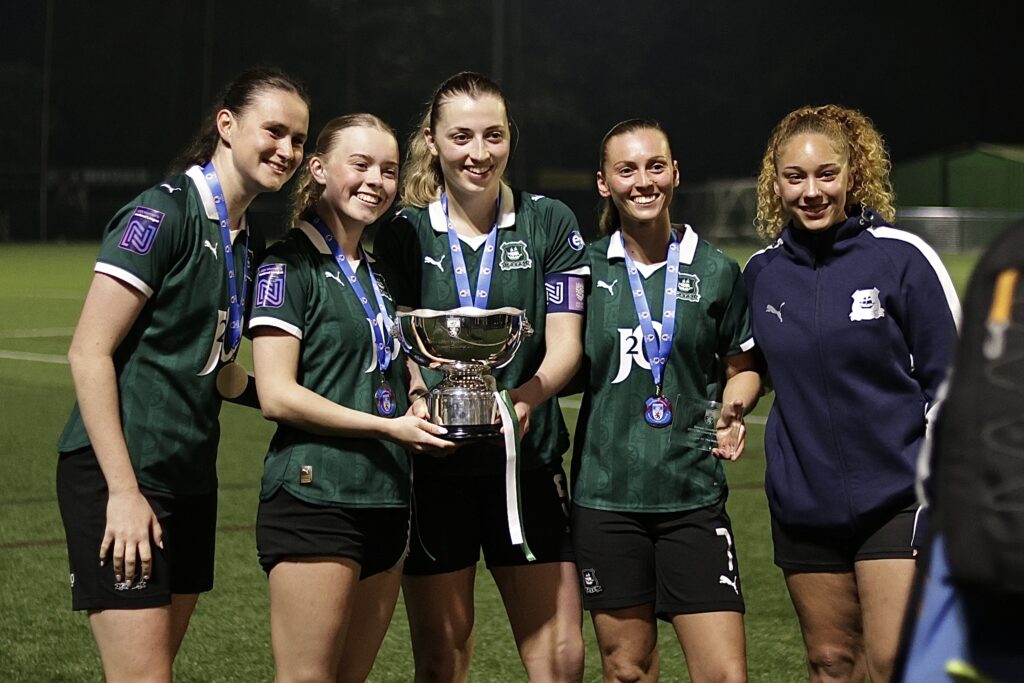
Only a few weeks ago, Argyle were 90 minutes away from promotion to WSL2. A few weeks before that, they contested the National League Cup Final.
After the team’s most successful season by far, Plymouth’s chief executive, Paul Berne, sent the players an email telling them they wouldn’t be part of the team going forward.
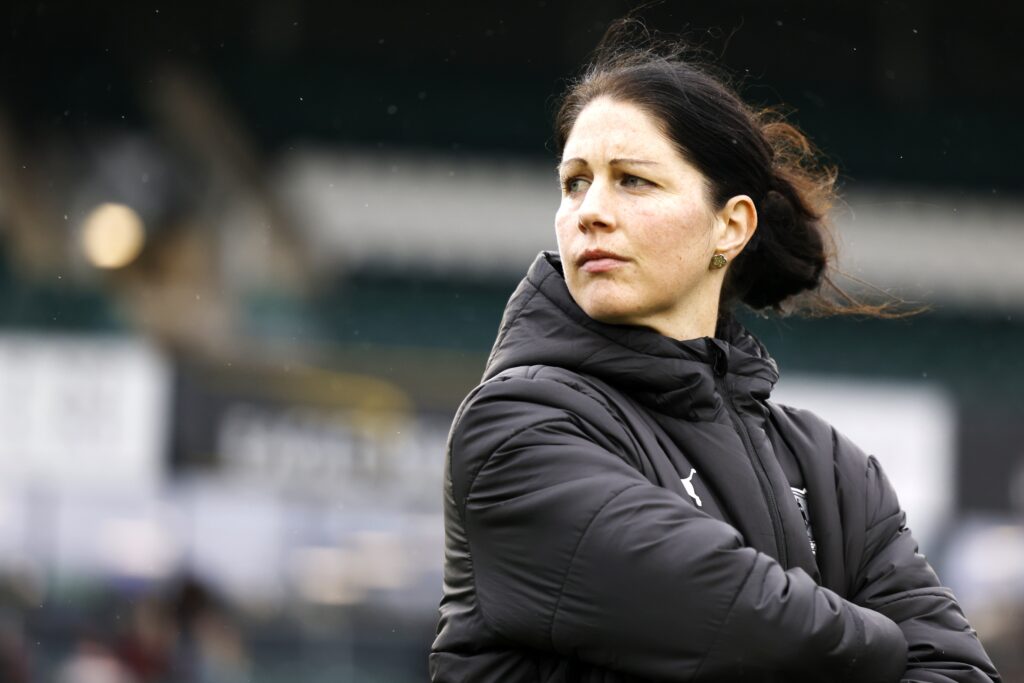
Just a few days earlier, Argyle head coach, Marie Hourihan, resigned.
The players released a joint statement on social media:
“Following a decision from the board to significantly reduce the team’s budget, and the understandable resignation of our manager, nearly all players have been informed via an email from the club that they will be released at the end of our contracts next month.”
It is common across the FA Women’s National League for players to have only one-year contracts, giving them little security and making it easier for clubs to let them go. With limited time to find a new team, it’s devastating for the players who have worked so hard and had such a successful season.
Following a decision from the board to significantly reduce the team’s budget, and the understandable resignation of our manager, nearly all players have been informed via an email from the club that they will be released at the end of our contracts next month.
PLYMOUTH ARGYLE PLAYERS
The club later confirmed they had made “some very tough” decisions because of financial concerns:
“To get to a cup final and to a playoff game, was a superb achievement, but it came at a cost; a higher financial cost than we had previously thought.”
Indeed, travelling to away games from Argyle is a burden in itself. Before the FAWNL Cup final in March, the club’s 50/50 Lottery donated £12,500 to the women’s team to help cover the cost of trips.
In December 2025, club chairman Simon Hallett released a message to fans, addressing their concerns about the performance of the men’s team. In it he spoke about how poor recruitment on the men’s side had “affected our financial health”.
He went on to say the “net cost of the women’s club is around £200,000 a year. The club will lose millions of pounds this season. Not having a women’s team would not make a meaningful difference to that number, but it would take away something that is part of Argyle’s identity.”
Two-thirds of the men’s team reportedly earn over £200,000 per year.
[The] net cost of the women’s club is around £200,000 a year. The club will lose millions of pounds this season. Not having a women’s team would not make a meaningful difference to that number, but it would take away something that is part of Argyle’s identity.
argyle chairman, Simon Hallett
Letting the women’s players go feels more like a choice than a necessity.
Although the club’s recent statement says it “remain committed to women’s football”, its actions suggest the women’s team is more of an optional extra for Argyle.
Lottery Winners: Actonians
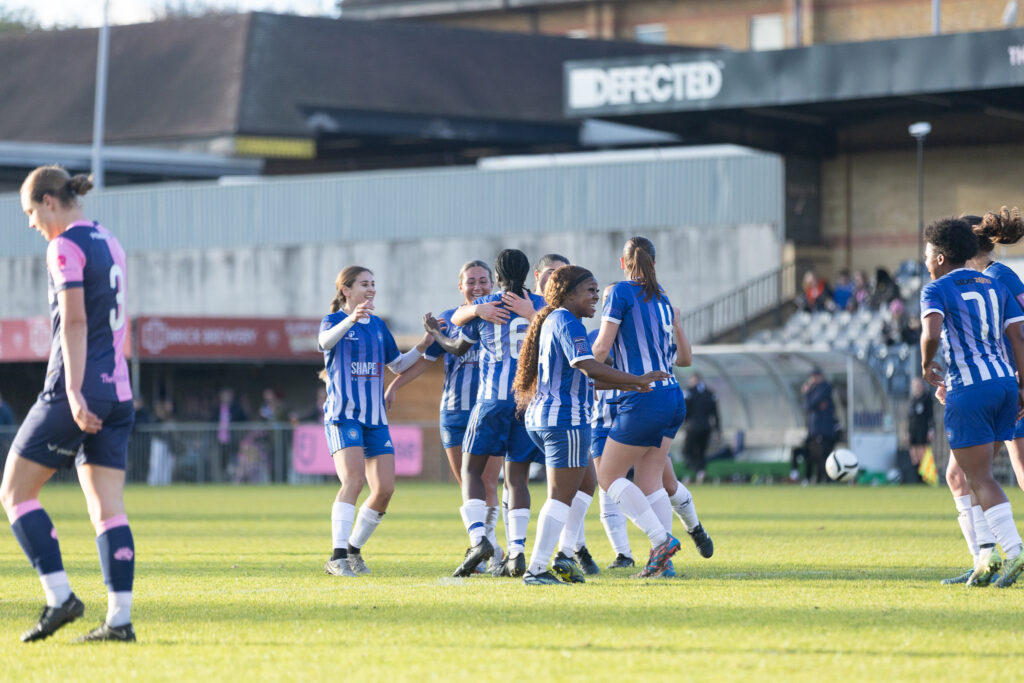
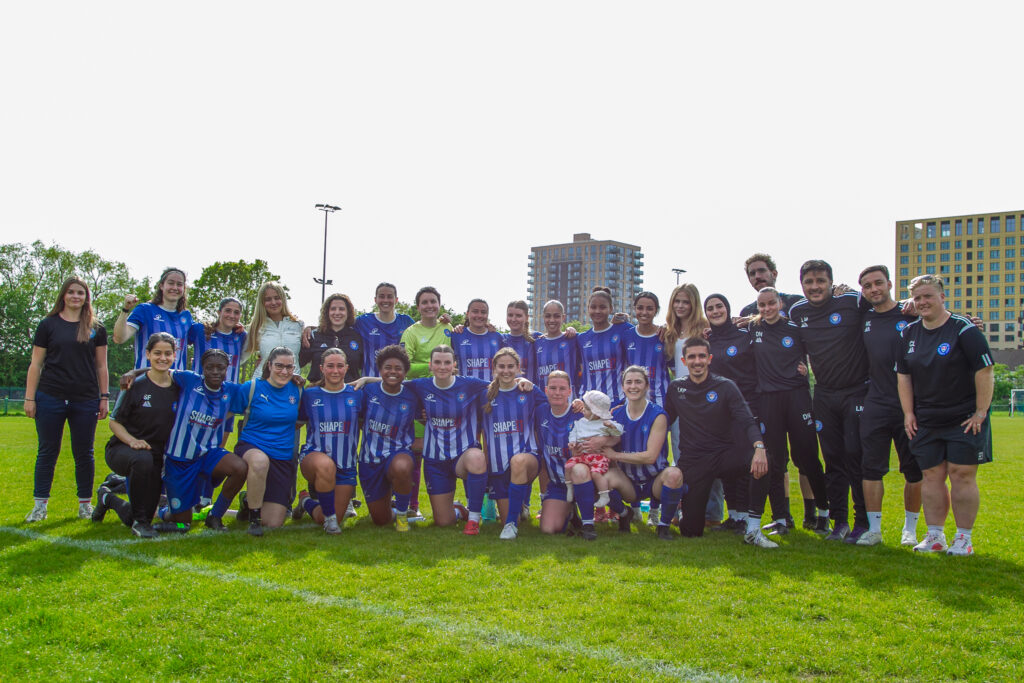
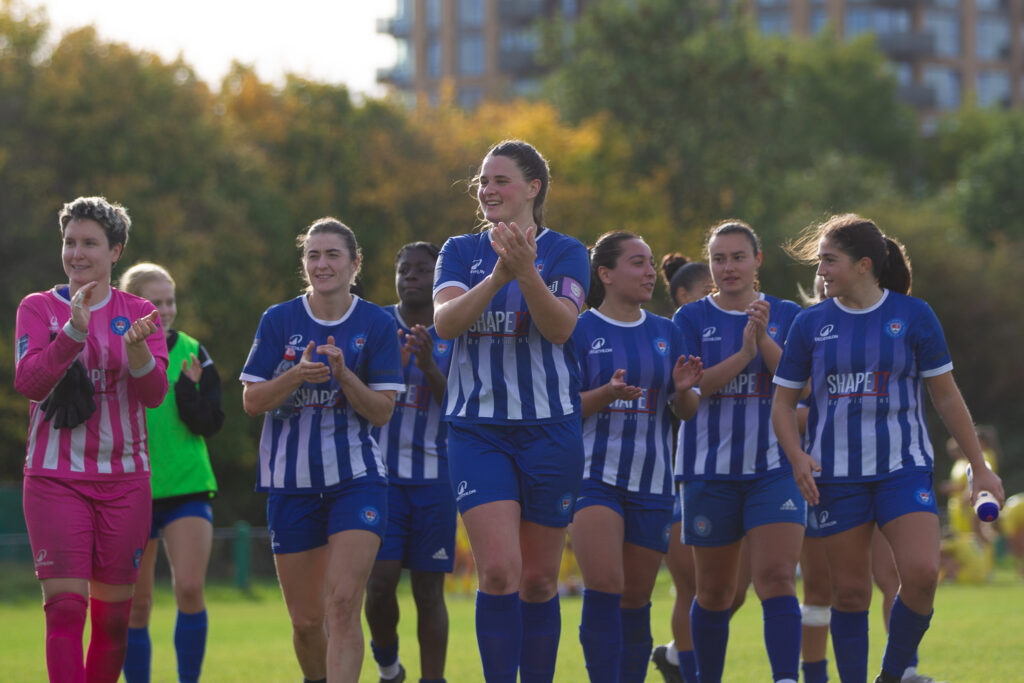
At the same time, at the other end of the lottery spectrum, are Tier 4 side Actonians.
The club announced that the McCaffrey Football Investment Group has made a “significant investment” in the women’s team.
The McCaffrey Football Investment Group was founded by Gina McCaffrey and is a women’s sport investment firm.
If you recognise the name, it’s likely from Gina’s daughter – US former professional footballer, Stephanie McCaffrey. McCaffrey was forced to give up playing at the highest level due to illness but now uses her expertise and passion to support lower league teams in England. Oh yeah, and she also plays for Leyton Orient.
The McCaffrey group invested heavily in Leyton Orient’s women’s team a couple of seasons ago, with a clear vision to strengthen the team and help it progress up the pyramid. So far so good: Orient won promotion to Tier 6 this season with a 100% league record.
Orient are an amateur side, and the lack of support in the lower leagues left Stephanie McCaffrey “appalled” at the lack of health insurance and basic provisions afforded to players below WSL. This is what the group tries to focus on securing.
Actonians are an independent, grassroots, community club. They had a strong season in Division One South West (tier 4), finishing fifth, above QPR, Luton Town, and MK Dons.

Of the investment, Stephanie McCaffrey said, “Our mission remains the same: helping clubs we invest in progress up the football pyramid, while ensuring players have access to the health, wellness, player safety, insurance – and now, in the case of Actonians, financial support for players – that they deserve, but too often have gone without.”
Success doesn’t equal safety
Whatever you think about multi-club ownership, the difference investment makes at this level is hard to ignore.
Plymouth’s players did almost everything right last season and still weren’t safe. If they’d won the play-off and become a WSL2 side next season, the club said “with a great deal of central funding to assist us, we would have been able to continue our backing at similar levels”.
Instead, despite costing a fraction of the men’s operation, Argyle chose to release almost all of their players to save money.
This is the lottery in women’s football right now. It’s not talent, ambition, or results. It’s whether the people controlling the finances truly decide the team is part of the club’s future or a cost to cut.
Photos: Jasmine Bishop (Instagram: shots_by_jazz), Naoki Nishida (Instagram: hanasonic_5), Plymouth Argyle