

GIVE ME HOPE. Miguel Delaney on women’s football
Award-winning sportswriter Miguel Delaney has been immersed in football all his life and sees much hope in women’s football.
As a potentially divisive men’s World Cup comes sharply into focus, he tells Helen M Jerome exactly why women’s football’s inclusivity rather than division – along with activism – can drive positive change.

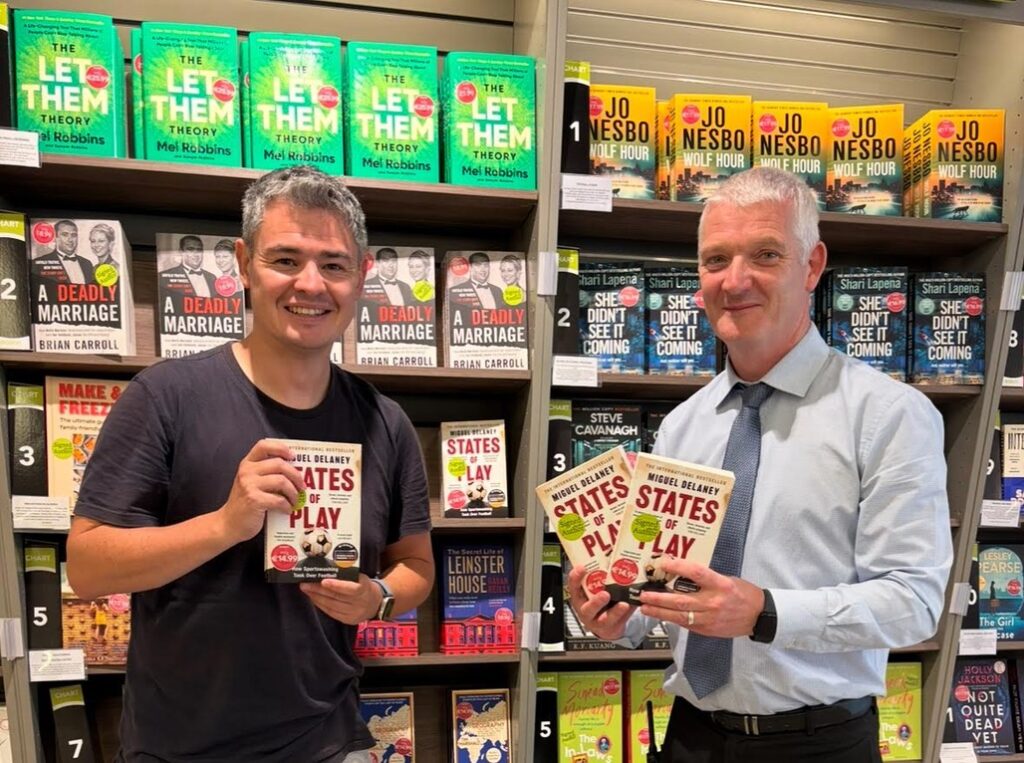
Quite simply, States of Play by Miguel Delaney (below, right) was my favourite non-fiction book of 2025. And this isn’t just my opinion, as it won Football Book of the Year at the British Sports Book Awards, and was shortlisted for Whitbread Sports Book of the Year. Delaney was also (deservedly) crowned Football Writer of the Year from Football Supporters’ Association, and when you talk to him his passion and knowledge are obvious.
He is worried that football stokes division instead of bringing people together, and deep down he feels that it doesn’t need to be like this. He’s worked at the women’s Euros in Switzerland and alongside the likes of Lianne Sanderson and Karen Carney.
Delaney has travelled the world, done the research and heavy lifting, talked to everyone, and has all the facts at his fingertips on where football is heading. Looking back at the Qatar men’s World Cup, and now packing his bags for the United States, Mexico and Canada World Cup this summer, he knows it’s hard to avoid the worst aspects of the sport. From sportswashing and price gouging to the politics of the USA hosting Iran while simultaneously waging war on the nation, it could make even the most ardent fan feel queasy.
Yet Delaney still believes that football doesn’t have to be misused, and the game can still be cleansed. Mainly though, he sees hope in the shape of women’s football, just as long as it doesn’t follow the blueprint of the men’s game and stays true to its values.
Here’s our conversation in full…
Why does women’s football give you hope?
For multiple reasons.
First of all, the personal experience. Obviously I am a football journalist because I dearly love the sport.

I do love going to the big men’s events and premier league games every week.
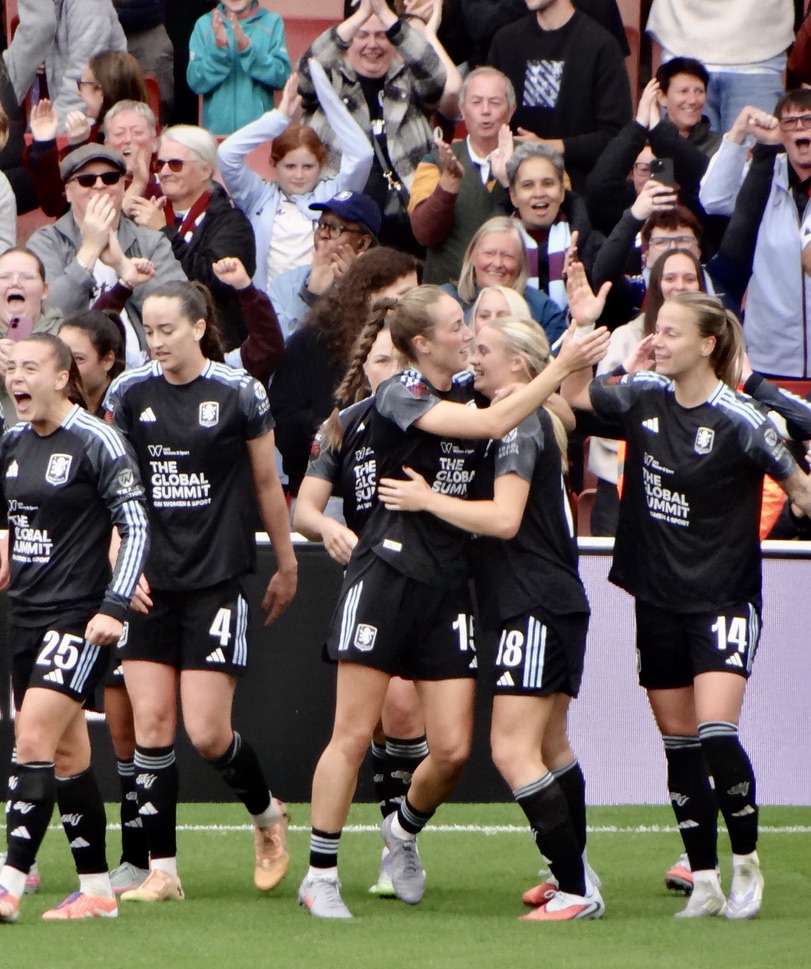
But one thing you immediately spot when you do a women’s game compared to a men’s is actually the atmosphere around it.
It’s happier, I have to say. It doesn’t have the same aggression.
Now, actually, I suppose some of that is also historic legacy.
One thing you immediately spot when you do a women’s game compared to a men’s is actually the atmosphere around it.
It’s happier, I have to say. It doesn’t have the same aggression.
Obviously, because the men’s game has been running for so much longer and much more defined way, it has all sorts of kind of cultural traits that inform fan atmosphere as well.
But equally, you can’t get away from the demographics, which change the emotion around it.
I mean, that’s a personal experience, but even from the professional side then, the very fact that in women’s football, I’ve seen something that I haven’t seen at all in the men’s game, really.
The most prominent example that I write about in the book, is when football essentially takes money from anywhere; the women’s game obviously had a situation where Saudi Arabia was trying to have some sort of sponsor for the Women’s World Cup.
FIFA were investigating all sorts of ways to make that sponsorship happen, including whether it be Visit Saudi rather than actually Saudi Arabia.
And players just put their foot down and said no.
That gives me hope.
And I suppose this is where it gets a bit more complex because I am slightly concerned whether an opportunity might be wasted.
But because the women’s game is in a more formative state and has actually undergone a lengthy review over where it can go next…
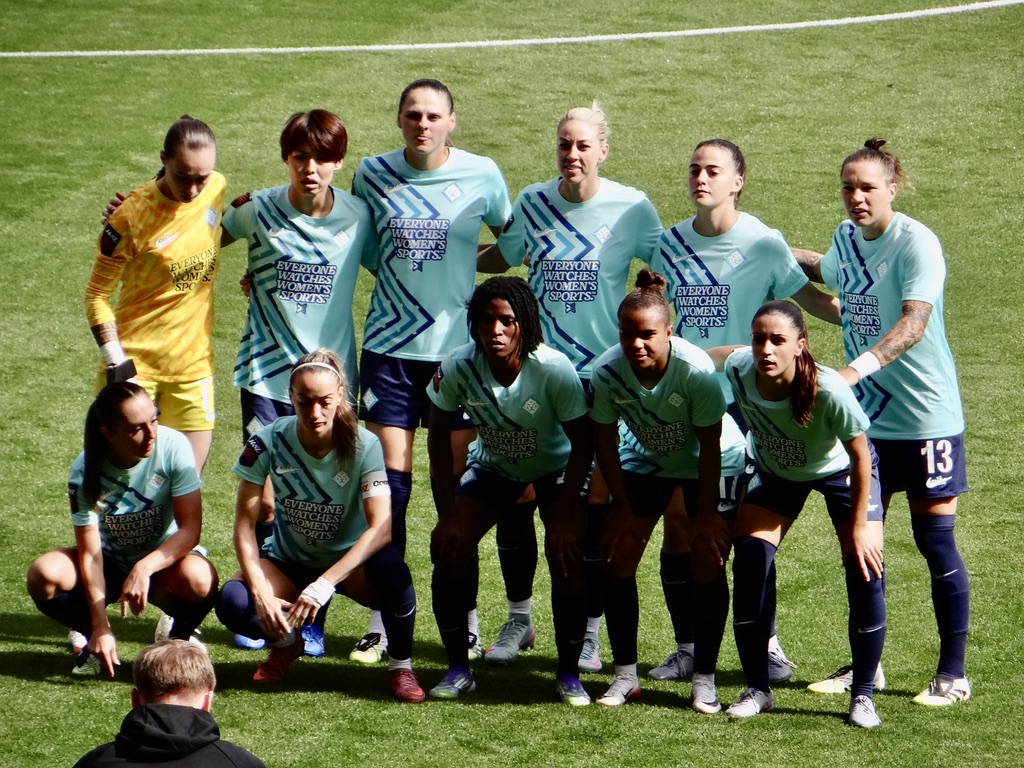
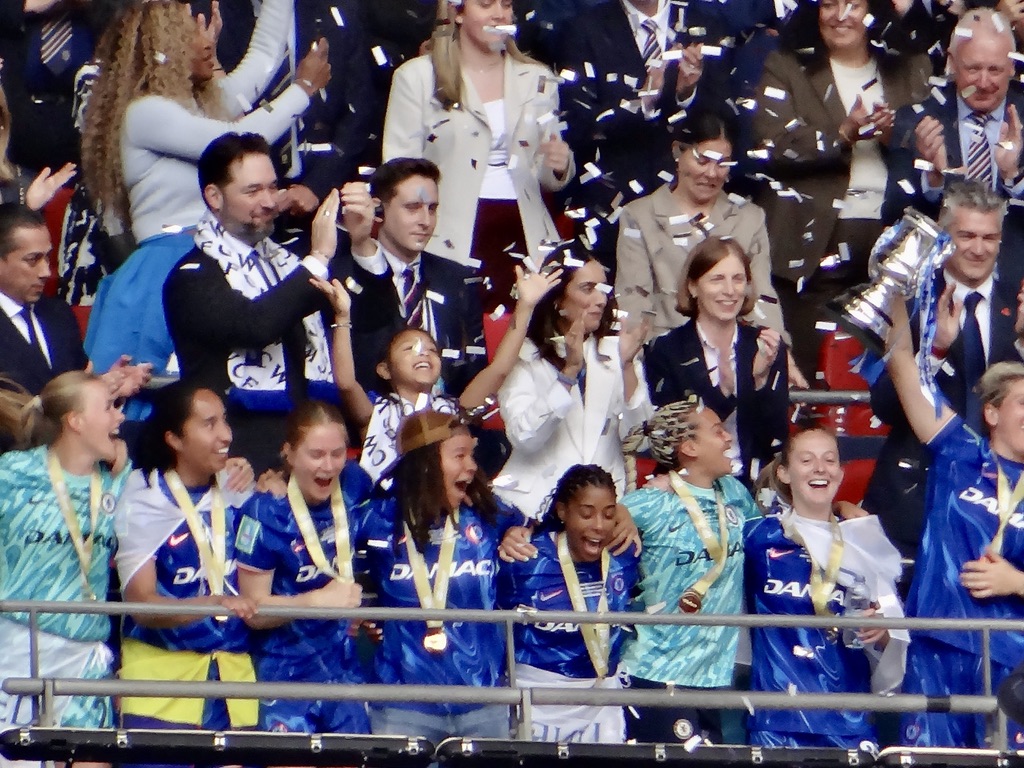
I think the women’s game should be making the decision to almost completely detach it from the men’s game, bar obviously the institutions and the names that are part of English football heritage.
Instead it feels like there’s a danger of adapting too many of the problematic aspects of the men’s structure.
And also we have the fundamental issue, the very fact that has been addressed at the Premier League level in terms of they’re looking to change regulation about the very fact that the women’s team can be used as some sort of financial ballast for essentially for the purposes of a men’s team.
I don’t think that’s positive for the women’s game.
I think the women’s game should be making the decision to almost completely detach it from the men’s game, bar obviously the institutions and the names that are part of English football heritage.
Instead it feels like there’s a danger of adapting too many of the problematic aspects of the men’s structure.
It does point in other ways how the women’s game can occasionally be – and you see with some of the ownerships – it can be used for public relations purposes.
But at least there is the scope to evolve in a different way.
One of the things you just mentioned there about the atmosphere is spot on, I think. And I wonder whether something like inclusivity could be its sort of superpower in women’s football?
Well, absolutely.
I mean, even from experiences of just when I do the women’s Euros and the easy mixing, though to be fair, that’s not such an issue at men’s international tournaments, where the atmosphere is different and it’s generally quite positive.
It’s an issue more for the club game, where it can be much more tribal now.
It’s ironic, actually, the way that’s flipped from the way international football used to be.
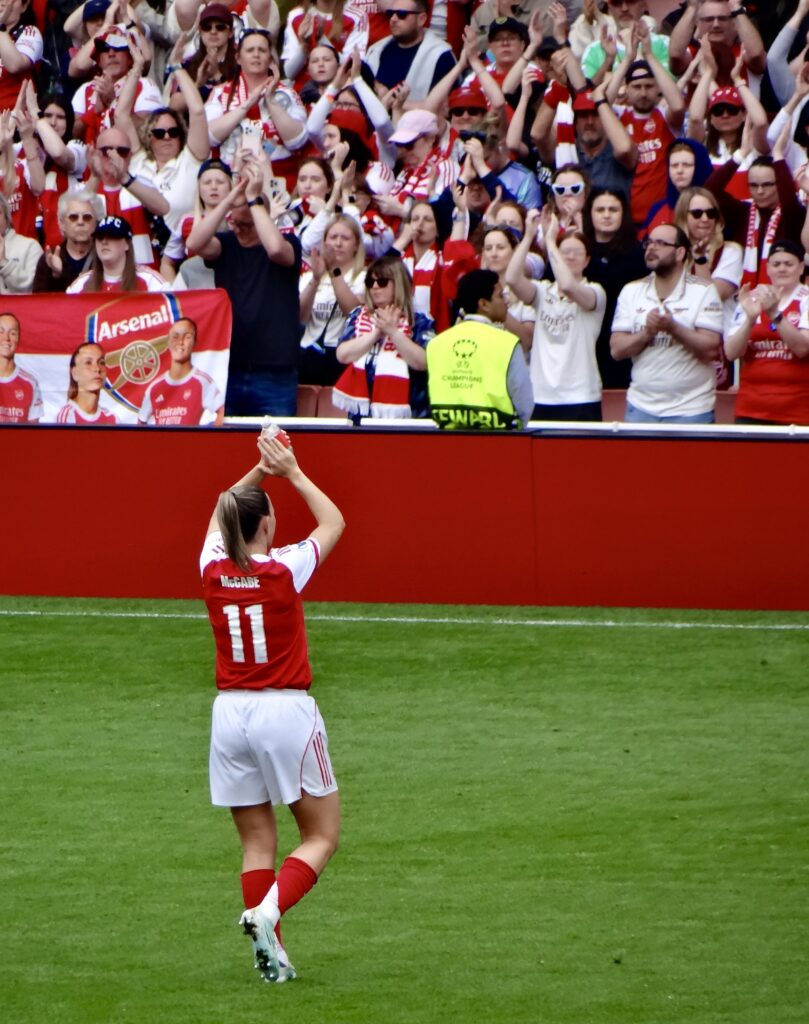
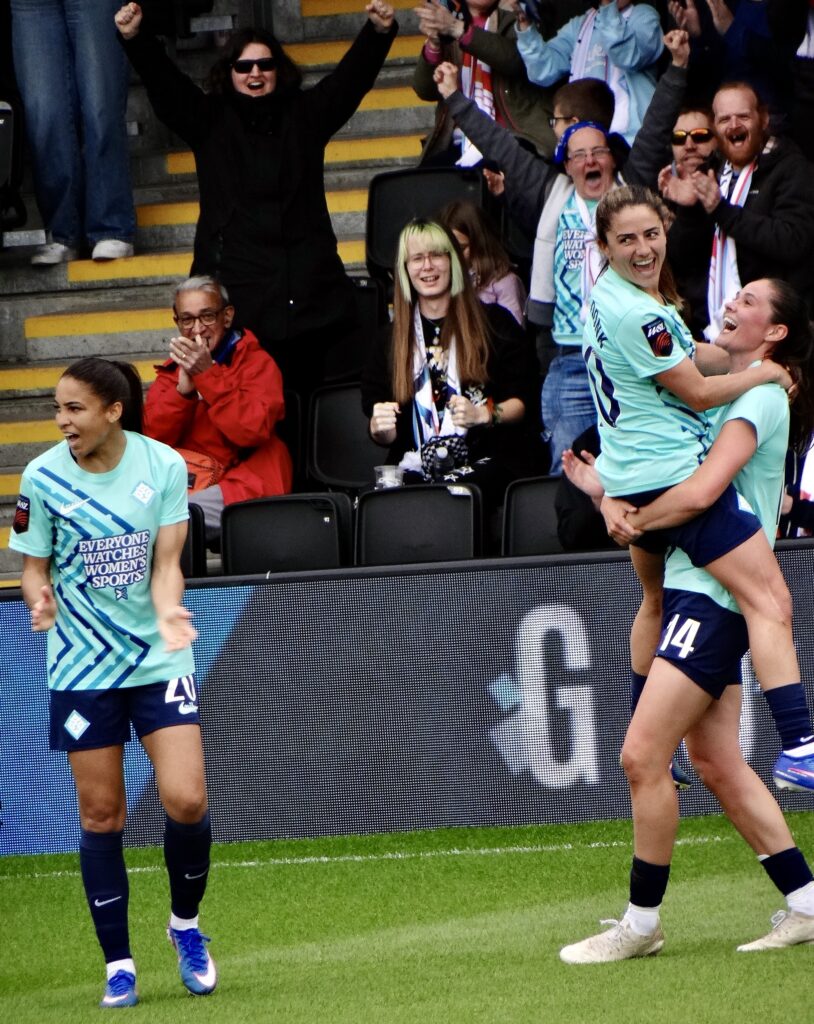
But equally, you just look around and you see actual families going.
It’s a much more family-oriented game.
There’s something crucial there as well; it’s one of the big discussions with the men’s game.
I’ve written a lot about this and been a bit involved in it, given I’ve worked with the FSA at an all-parliamentary session about men’s ticket prices because of what the men’s game is.
They are absurd.
I know from looking at it as a professional and also personal experience in friends, family who bring their kids to games, the women’s game offers an outlet for and a first experience for families to actually come together and watch in a way that in some cases is impossible for the men’s game.
And you only have to look then on the next level of that, the discussion about ticket prices in the World Cup, where that is essentially pricing out huge swathes of football’s fan base.
Whereas I know from looking at it as a professional and also personal experience in friends, family who bring their kids to games, the women’s game offers an outlet for and a first experience for families to actually come together and watch in a way that in some cases is impossible for the men’s game.
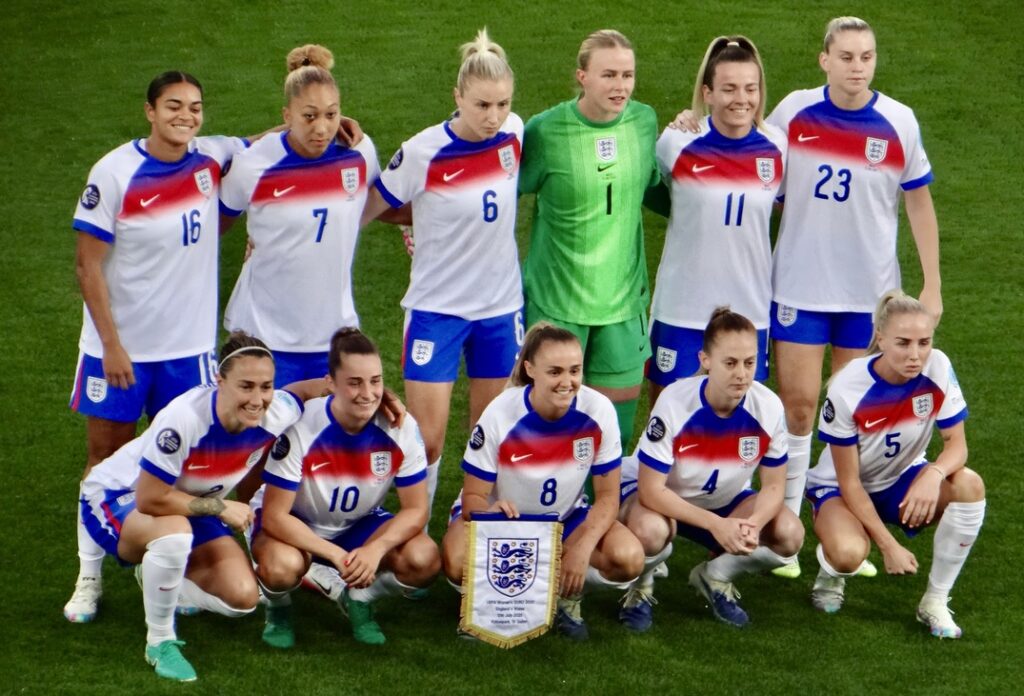
The other thing that’s interesting is when my friends bring their kids along, boys or girls, they see no difference because they’ve grown up with both men’s and women’s football, they don’t mind.
They glorify England winning the women’s Euros, and being runners-up in the World Cup. They don’t see any difference.
Yes, absolutely. And that’s also important on another level.
I mean, you’re talking about the women’s game giving you hope.
And I suppose, because I suppose the natural inclination is to think of, like, wrongly, think of young boys looking up to male players or whatever.
If young men in that sense are also seeing women’s players in exactly the same footing.
Well, I mean, as I’ve just said, I suppose, you don’t exactly see much… progressive politicisation from players.
Obviously there has been elements.
I mean, Jordan Henderson and the stand around COVID and some of his initial LGBTQ movements, only for that then to be totally undermined by moving to Saudi Arabia.
Whereas if they see the women’s game – or women’s players – putting forward many more causes, it actually means that players can have that social effect in the way I think that the men’s game has almost eroded out of the sport to a certain degree.
Are there people you’ve noticed, who are game changers in the women’s game? They could be owners, players, managers, whoever.
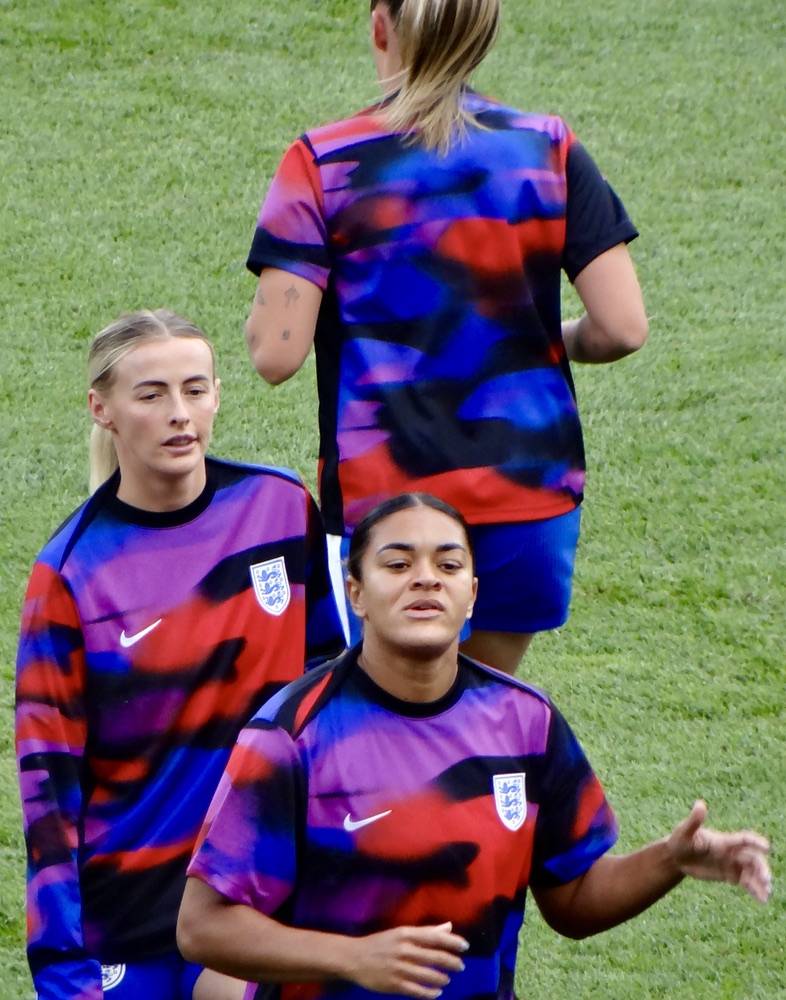
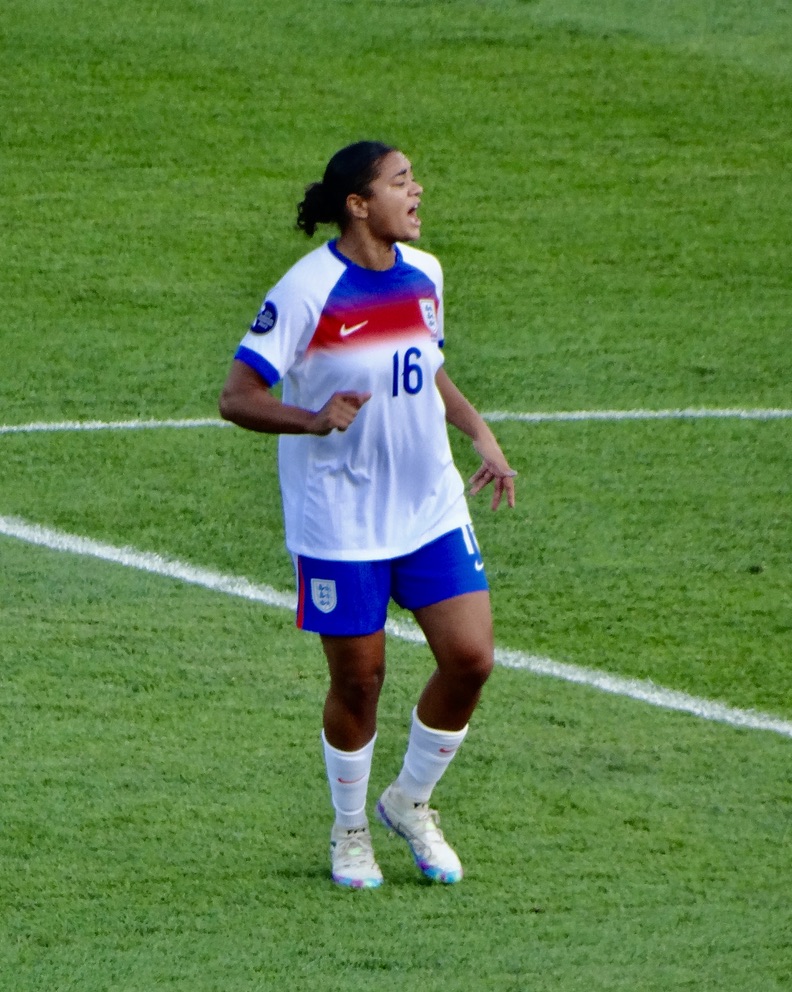
The most obvious example I’ve actually got there is, so I covered the England’s route to a second Euros, and just before the semis, obviously, we had the story about Jess Carter.
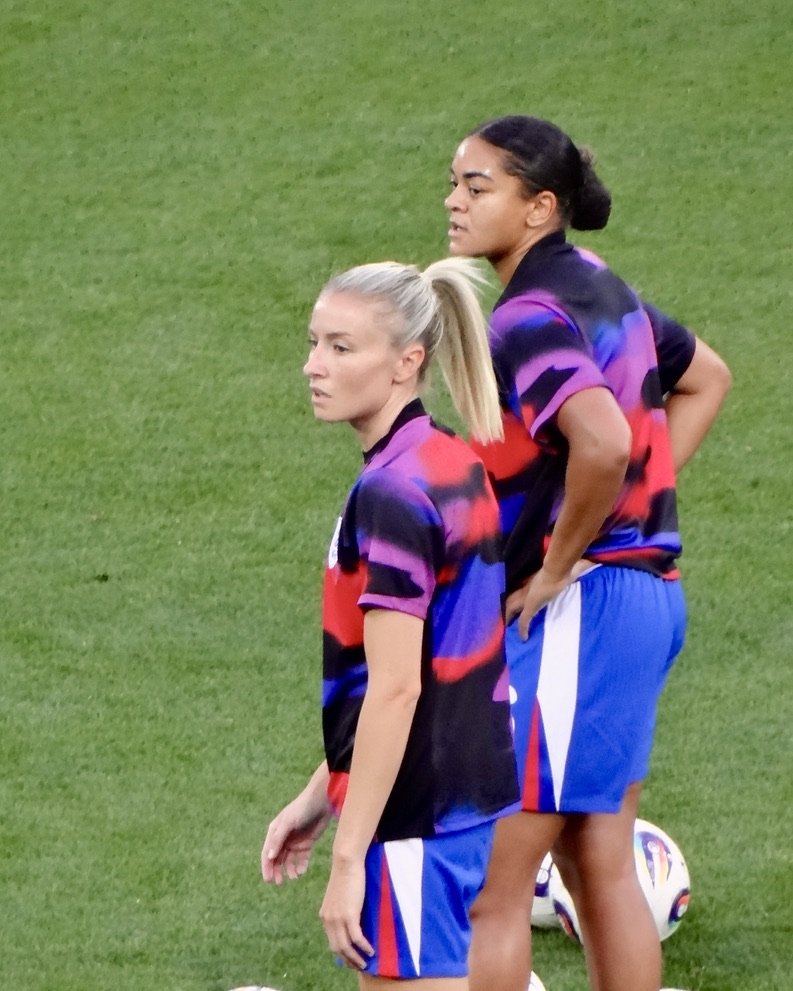
And the stand the players took is something that actually, I can’t remember seeing any sort of comparable example in the men’s game.
I mean, I have covered, to be fair, the England’s men’s team, and when players were racially abused in Bulgaria, and they had a response to that. So maybe that’s a little bit unfair in that sense.
But it feels like the extent of the activism and the willingness to actually draw lines, that feels so much more a hard line.
I covered the England’s route to a second Euros, and just before the semis, obviously, we had the story about Jess Carter.
And the stand the players took is something that actually, I can’t remember seeing any sort of comparable example in the men’s game.
It feels like the extent of the activism and the willingness to actually draw lines, that feels so much more a hard line.
I remember thinking around that story when I was trying to cover it, this is actually a little bit difficult because obviously we have to say what’s happening is bad.
You can get into the whole issue of abuse online because, and there was a sense I felt myself writing the same thing as I’ve said here for the men’s game. But actually, the difference was the extent to which the players wouldn’t take a stand.
I should check myself a little there because for something like that, it’s a personal thing for people on the other end of it… they respond how they see fit.
But I suppose I’m talking more about a collective and how everyone else looks in.
That’s where there’s a difference. I think that’s one of the most prominent examples.
And the Saudi World Cup example really stands out as well.
There’s an interesting thing there.
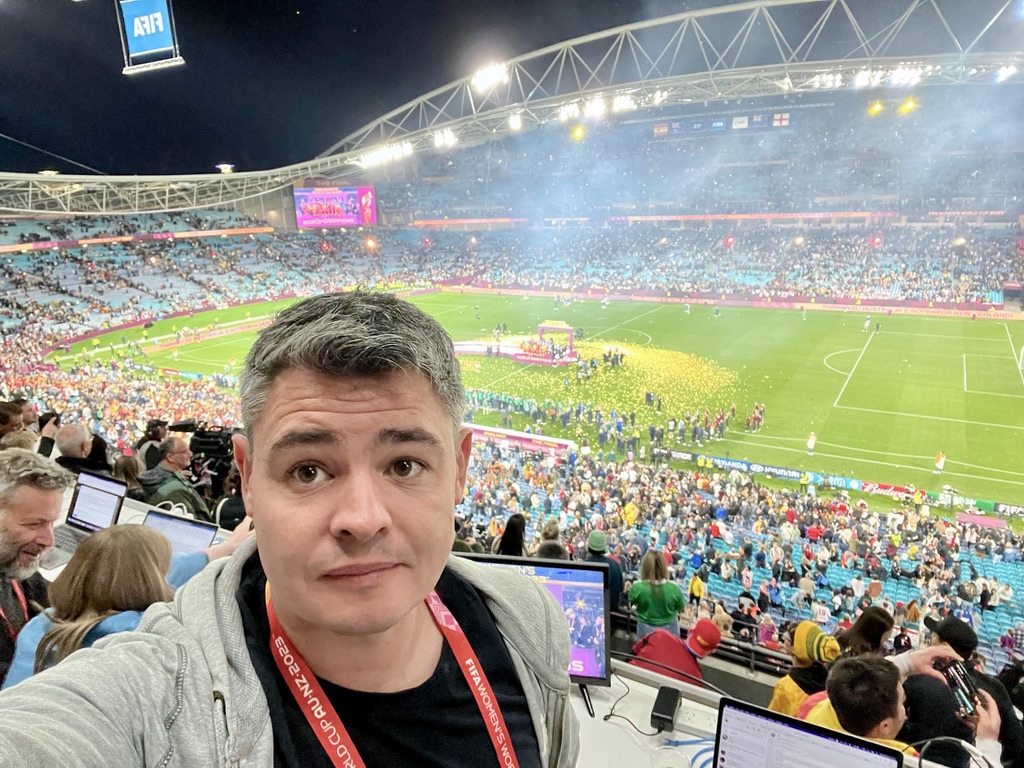
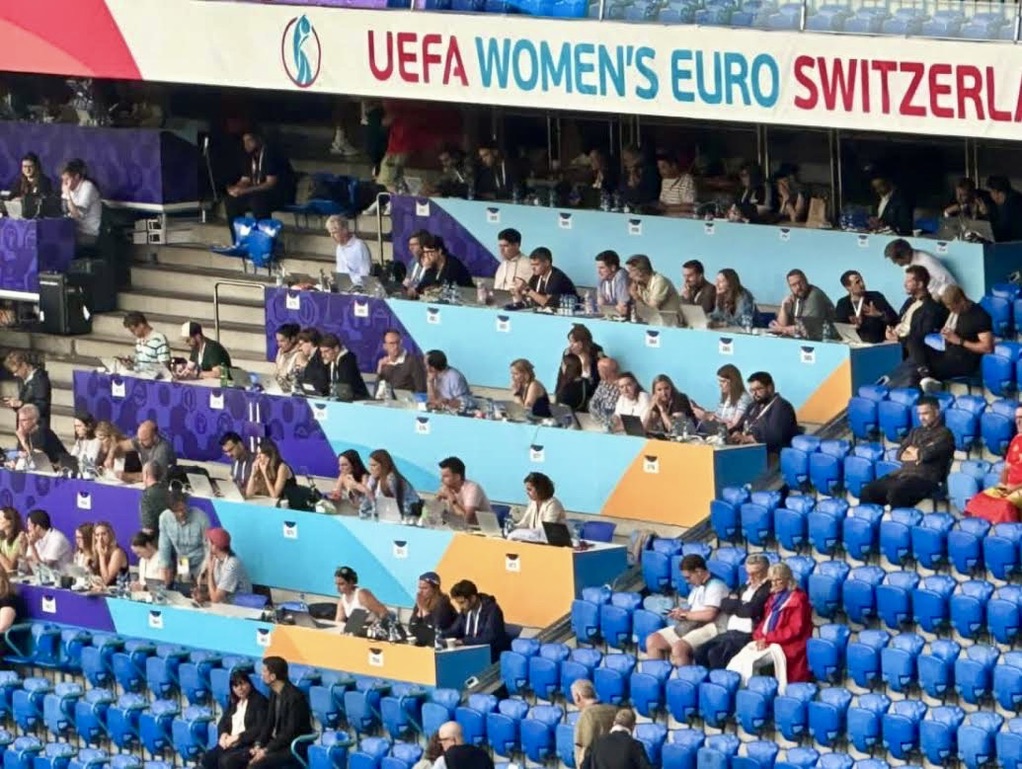
We talk about young boys maybe seeing women playing, and actually saying that’s good and also talking about racism. Maybe it’s something that women’s sport can do better in tackling things like misogyny, casual racism, that kind of stuff. There is something that can be done in society maybe.
That’s exactly it, because it’s at a more formative stage where a lot of people are thinking about where this can go.
Whereas the men’s game, it’s based on 150 years of history and there are really, really hard factors now that basically condition this direction.
And that direction has obviously, very consciously, taken a neoliberal model.
As part of that neoliberal model, there is, I think there’s a certain element of lip service to what would be seen as the right causes or certain progressive causes, but you never feel it goes that deep.
Some clubs do a lot of great work in the community, that has to be said, but it always feels it doesn’t go that deep.
And ultimately, the game isn’t really a vehicle for that.
In fact, as I argue in the book, there is a strong argument that given how men’s football is used, that actually it might at this point at elite level be a net bad for humanity, given like how it’s used for legitimising questionable governments, all this sort of thing.
Whereas in the women’s game, because it is formative, there is actually a space for more; basically for the game itself to be a vehicle for something more.
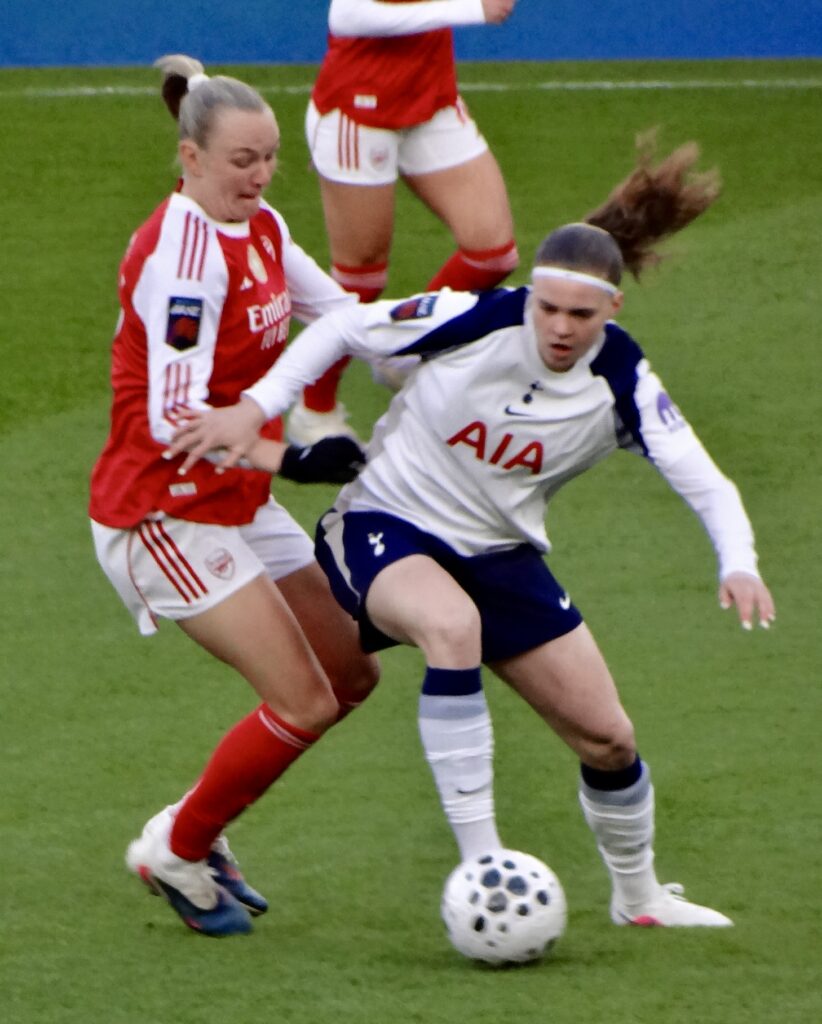
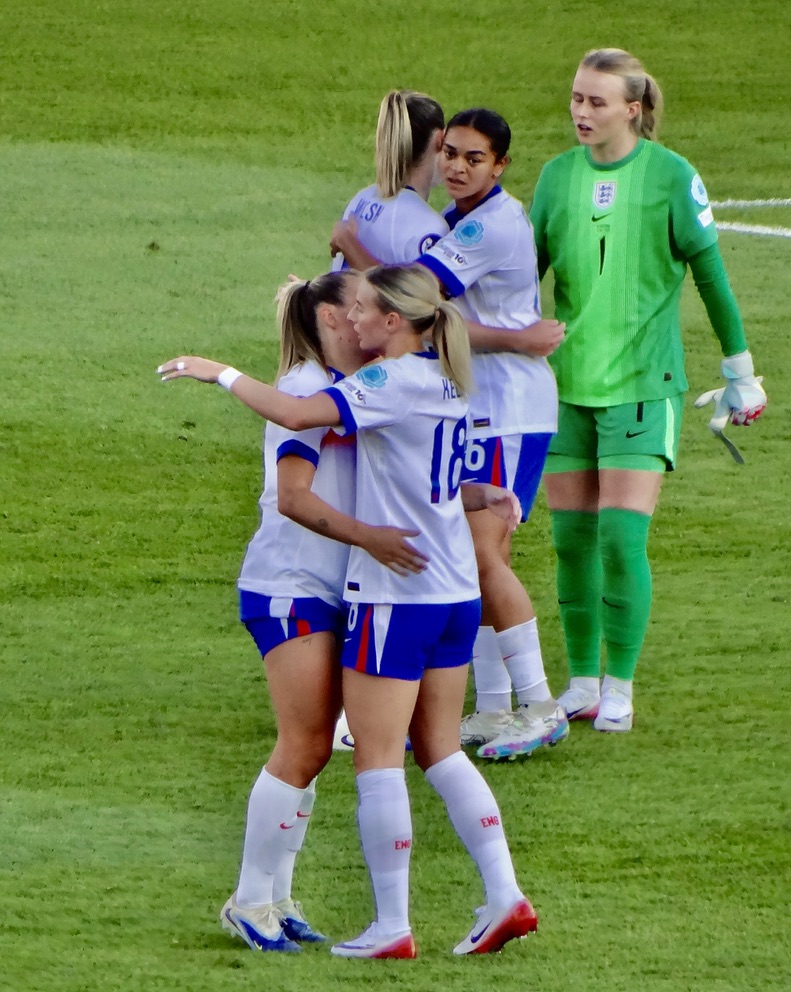
I was at an event here today about the independent football regulator and so much of the talk was about protecting English football’s competitiveness, ensuring that investment stays positive and it’s made, so it didn’t feel like it went into enough about what the social value of football is.
Because ultimately, all a club is at core is an institution or a team that has evolved out of a community. It does represent… it actually has a very direct social service in that way.
Obviously, that’s not what the elite level of the men’s game is about.
Whereas the women’s game, I think has the capacity, and while its freedom is being eroded, it has a certain amount of freedom as well.
It feels to me like we’re at a tipping point. You talk about money and sportswashing in your book, and I sometimes worry that we’re sticking too closely to the blueprint of the men’s version as you say, because that’s been going and hardening all this time. We’ve now got more multi-club ownership coming into women’s football, there’s a couple who are high profile including Mercury 13.
Yeah, I’ve spoken with them a few times.
I just wonder, is there a danger that we fall too easily into that?
Yeah, I think it’s the classic issue that the men’s game. I mean, in some ways this is direct follow-on from the men’s game as well.
Also, I think it’s where the men’s game was unhelpful, because even though it shouldn’t be – and this isn’t just the case for women’s football – I find this is actually the case for almost every other sport.
There’s always a tendency to compare everything to what men’s football does, when men’s football is, I would say, almost unique in the planet in terms of that.
But it’s actually because of men’s football and its success, and from speaking to people that I did for the book, people who work in investment into football, what a lot of these figures or sectors see – and there is a fundamental problem that anyone interested in this. Even if a sideline becomes and has a positive effect on the game, the root motivation here is the extraction of financial capital from football, which I don’t think the game should be about.
Suddenly there is this debate now where, because the women’s game isn’t at that stage yet, it can actually use this to go in a direction I think it should, which would be an organically-evolved competition, proper community, properly sustaining those community roots, and also ensuring competitive balance.
So a lot of these industry figures who now are looking at women’s football, what they see is one of the fastest growing sports. It’s already got a hold among a younger generation, as you say, with boys and girls, and in 30 years time this can be very lucrative.
So suddenly there is this debate now where, because the women’s game isn’t at that stage yet, it can actually use this to go in a direction I think it should, which would be an organically-evolved competition, proper community, properly sustaining those community roots, and also ensuring competitive balance.
Instead it feels like there is a danger that already they’re hard baking in.
And the issue here, of course, is that when something is at a formative stage like that, and when you have the comparison to the men’s game, people just think, oh, we need investment.
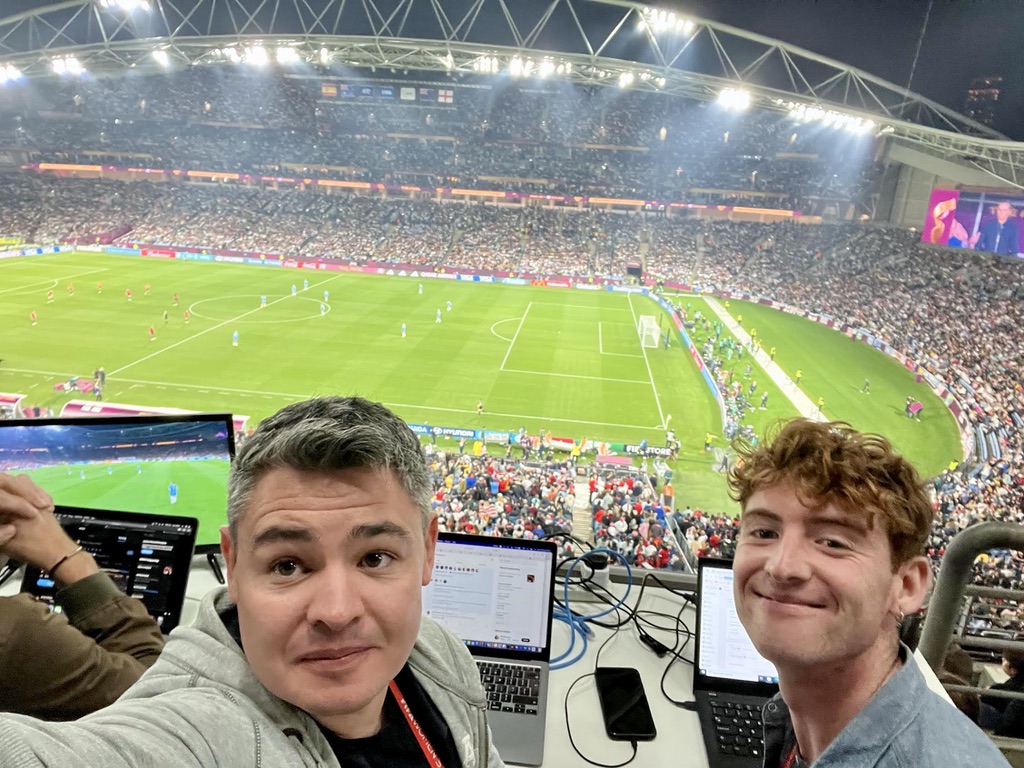
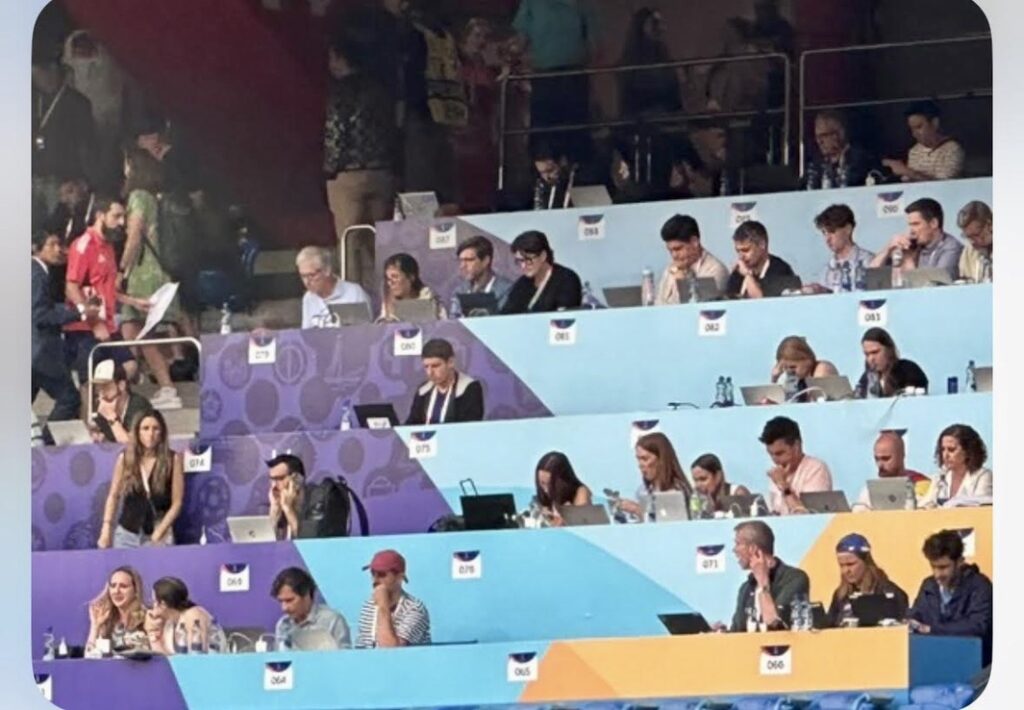
But this was this was exactly the problem the Premier League had in 1992 and it’s funny when you talk to people who are involved in that… how you know this quest for investments or financial capital to expand it often can leave to short-term thinking.
Where you’re not actually considering the concept and something like multi-clubs, there’s just no need for that to be in women’s football now. Okay in the short term it will help certain clubs and will help certain competitors. And I accept there is an issue in the women’s game as well, where you’ve obviously got a core group of superclubs who are so far above everyone else.
With women’s teams like Doncaster Belles, history has changed for them and that is my worry that it’s hard baking in some of the forces of the men’s game when really there’s no need.
But of course this this comes down to direction at the top. People of authority properly thinking about what they want the women’s game to be.
But then a point has been raised to me before. Look what this has done to what was properly a community.
With women’s teams like Doncaster Belles, history has changed for them and that is my worry that it’s hard baking in some of the forces of the men’s game when really there’s no need.
But of course this this comes down to direction at the top. People of authority properly thinking about what they want the women’s game to be.
Does the downside of all the professionalisation etc of the women’s game and increased media attention from people like us, does this mean we sometimes forget that it’s actually meant to be about entertainment, about release and ritual, and even fun, if we make it too defined?
Exactly.
I have to say this is quite a personal thing, but because I cover all this all the time and spend a lot of time thinking about football, I go to a lot of games, and I especially have to cover a lot of the kind of the politicisation of it, all these business dynamics.
There are often times when I just go along to a match or I’m even watching the game in a pub with friends and there’s no pressure.
I think you kind of remember, well, so this is why I like the sport. This is why I got into it.
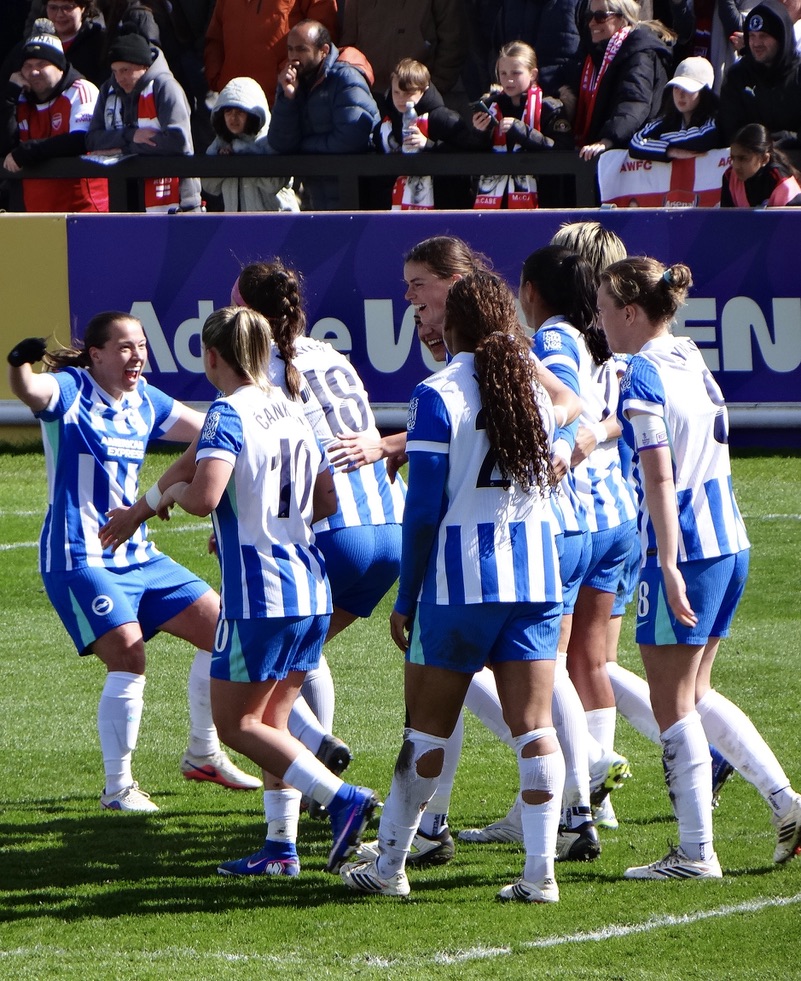
You can get so caught up in all the wide relevance of football.
You actually forget what this is.
The only reason that football exists in any form is because people got together to play a game.
Again, a community started to be interested in that. They found it entertaining.
And those teams became representations of those communities. That is it.
And you can expand that out to whatever kind of sophisticated level you want, right up to national teams.
But the core is the same.
I think that, because that has a very human and progressive quality, it is very often forgotten what this sport is supposed to be. Where at the top level in the men’s game it’s become some sort of grotesque imitation of what it’s supposed to be
Final question is: what would be your message to women’s football, the owners, coaches, players and fans?
I mean fundamentally it’s: remember what it’s about and also that growth is obviously something to strive for. But be conscious of what sort of growth you’re thinking about.
Don’t forget what the sport is actually about, because it feels like having covered the men’s game in detail – and the book is all about it – it can be very easy to forget what this is all actually for.
States of Play: How Sportswashing Took Over Football, by Miguel Delaney is published by Seven Dials.
Photos: Miguel Delaney, Helen M Jerome