
STRUGGLES AND SUCCESS – Reading Sonia Bompastor’s autobiography
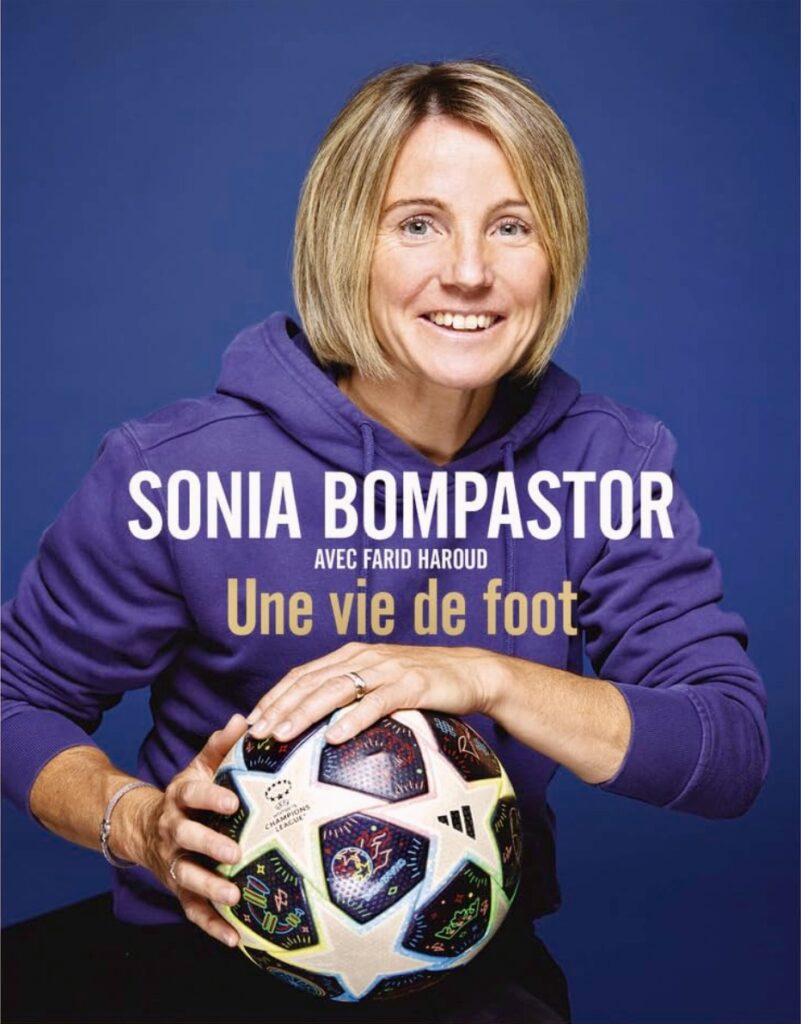
Sonia Bompastor’s Une Vie de Foot – co-written with memoirist Farid Haroud – is a fascinating autobiography from someone who has witnessed and helped facilitate many changes in women’s football.
From early struggles and playing in the US, to becoming an iconic player and head coach – plus talking of her ‘13 years of lies’ about her relationship – it’s all here.
It’s yet to be translated from French into English (though Bompastor told me she hopes this will happen), so Sylvain Jamet has read it for us, to let us know exactly what it reveals.
Sonia Bompastor was one of pioneers among the French players who went to the USA to play in a professional league (WPS), following in the footsteps of Marinette Pichon and Stéphanie Mugneret-Béghé, at the time when women’s football in France was still amateur or barely semi-professional.
It did indeed turn professional, when the Olympique Lyonnais president – upset that Sonia Bompastor and Camille Abily could leave OL on a free and at will to the USA – pushed the FFF to allow female players to sign professional contracts (contract federal).
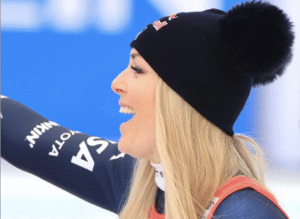
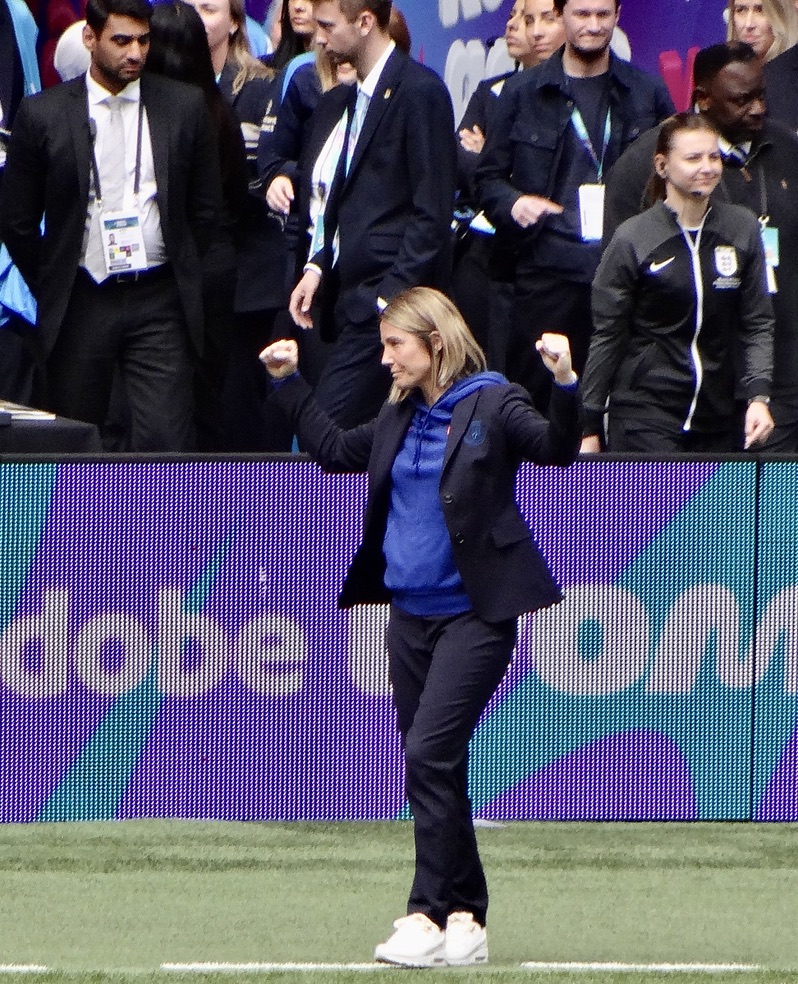
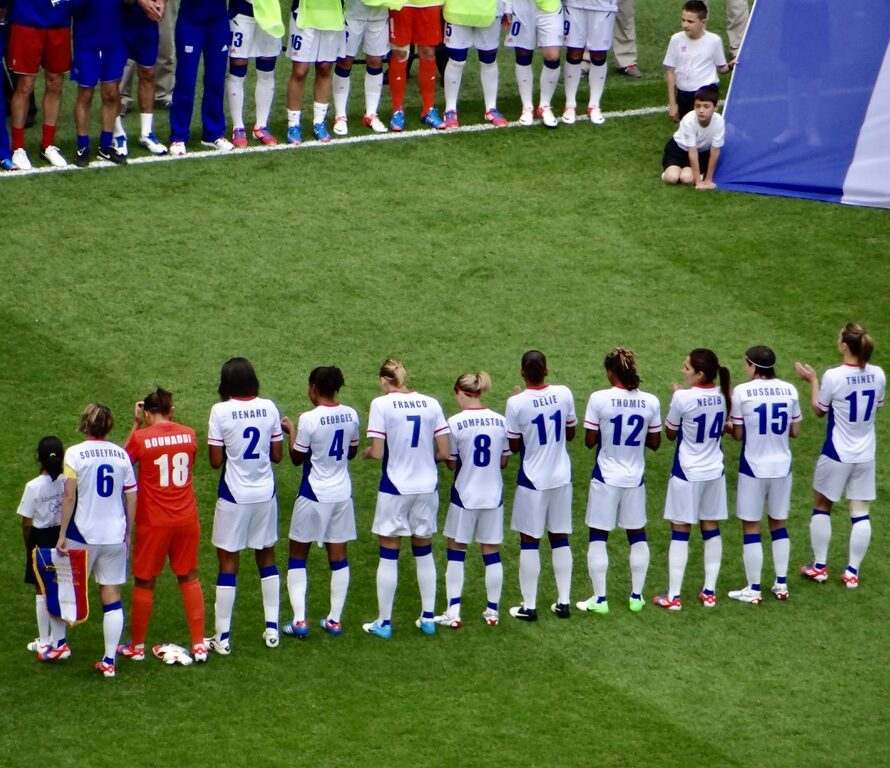
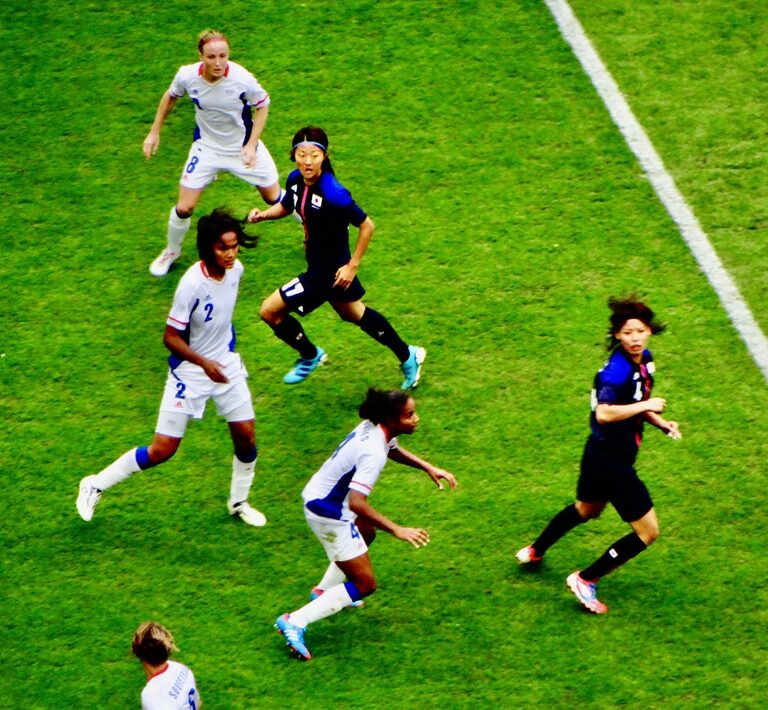
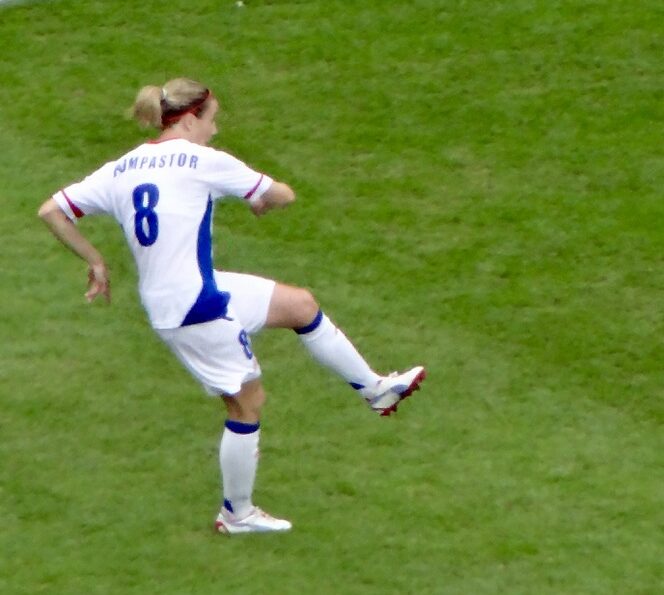
Her autobiography follows her struggle, hope and success throughout her career, from being sometimes the sole girl in a boys’ team to making it to the national team and reaching the World Cup and Olympics semi-finals (below).
It gives us insight into how tight and close her family is, especially when her mum passed away. We hear about her Portuguese family, especially her granddad.
There is a chapter on the youth training centre Clairefontaine, which she joined when it opened for the first time for the women. This was straight after the Men’s World Cup 1998 triumph, as the manager who’d just won the World Cup became technical director at the FFF and opened Clairefontaine to young women.
Amateur
We hear the story about her time at Montpellier HSC under the late president Louis “Loulou” Nicollin, when she was a club secretary, as women’s football was still amateur.
Then we see how she ended up moving to Lyon, where she won so many trophies, split by that stint in the WPS with the Washington Freedom.
Lyon took six Montpellier players over two summers, becoming the team to beat in France.
Interestingly, they were signing for OL, but getting full-time jobs as well in merchandising, youth team educators, or at OL TV for Sonia.
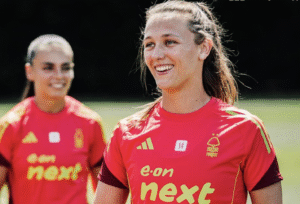
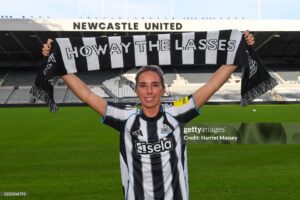
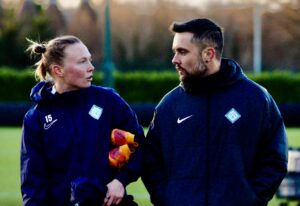
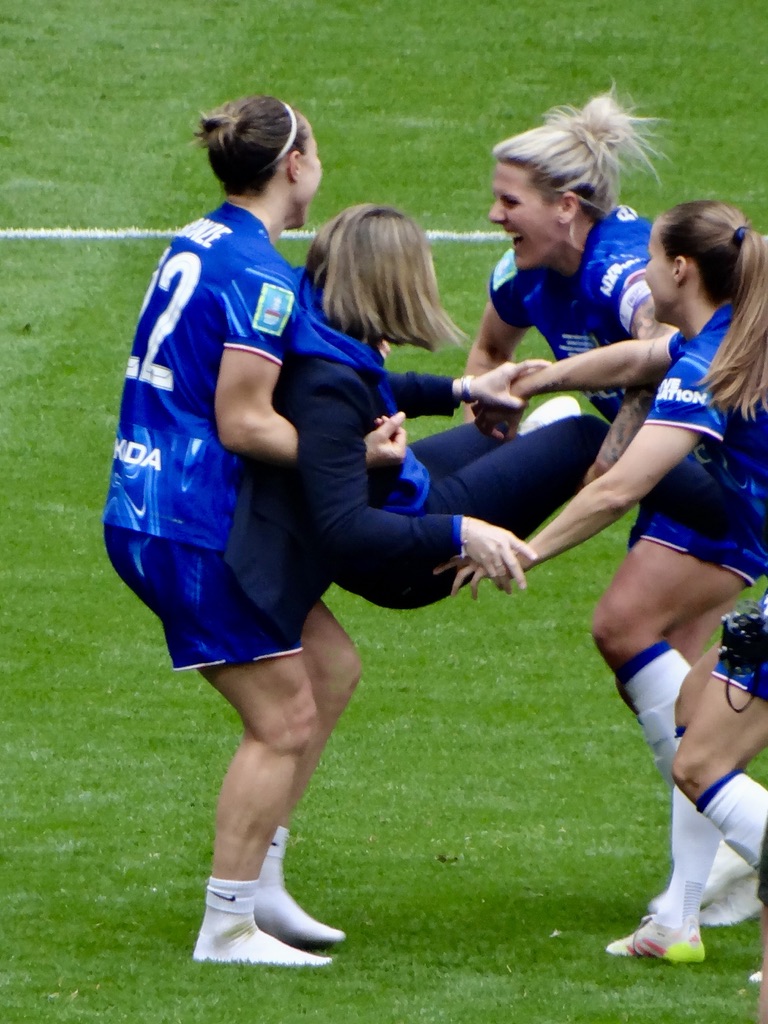
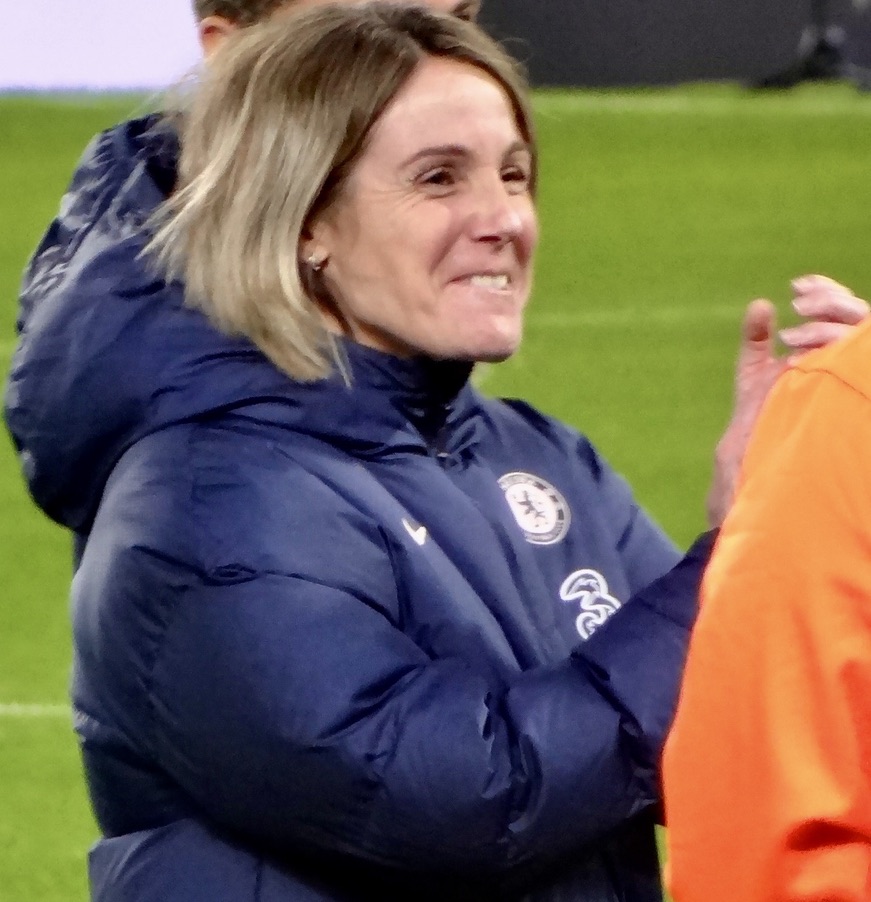
Her stories of Champions League games abroad and the away game at Borehamwood on a waterlogged Meadow Park are funny (and it feels like we are just starting to see her sense of humour at Chelsea, including much laughter in photos below). The OL manager at the time said the pitch was “like a potato field.”
Stories about the kit, and the fact that they only had one set for the whole season… until President Aulas a half-time break asked the players why they were not changing for the second half, as they were all wet.
For context, we should remember that the game happened on the same night as Steve McLaren’s infamous “wally with the brolly” headline when England were defeated by Croatia at Wembley.
We read the story of her move to the Washington Freedom in the newly-created professional league, the WPS, which came at a time where the new France manager had moved her from midfielder to left-back. The Lyon manager, who was a friend of the national team manager, did the same, which upset Sonia and led her to take the American offer.
That was a key moment in women’s football, as the players were still amateur legally speaking and therefore could leave any club as they wished, as they were free agents. The only contract they had with Lyon was for their non-football jobs. It ended up in a legal battle between the club and the players (Abily and Bompastor).
Loophole

The following summer the FFF allowed female players to get contracted to clubs and paid professionally via the Contract Federal, thereby ending the loophole of players being able to leave at will.
Her time in Washington is well covered, and she explains the difference in lifestyle, football style and working environment between France and the USA. Certainly, two positive, distinct kinds of experiences according to her.
Then we hear about her return to Lyon to work with her former Montpellier coach Patrice Lair and how successful they were when she came back – winning the Champions League multiple times, winning it for the first time at Craven Cottage back in 2011. And the opening chapter of the book is a funny story about her boots for that game.
Two chapters on the France national team reveal how unpleasant things were with the manager. At the time, the team was split in two between Lyon and Juvisy players, with much friction and personal animosity between players from both sides. So it was a strained relationship between multiple Lyon players and the manager, who had an unorthodox way of managing a football team.
Strangely enough, France under his stewardship reached the semi-finals of the WWC 2011, followed by the semi-finals of the London Olympics, while the other managers all lost in the next tournaments quarter-finals from that time until 2025, except for Corinne Diacre who got to the Euros 2022 semi-final.
The book then turns to her transition from player to coach at the end of the 2012-13 season as she went straight into the newly created Women’s Academy director job. She built it from scratch.
13 Years of Lies
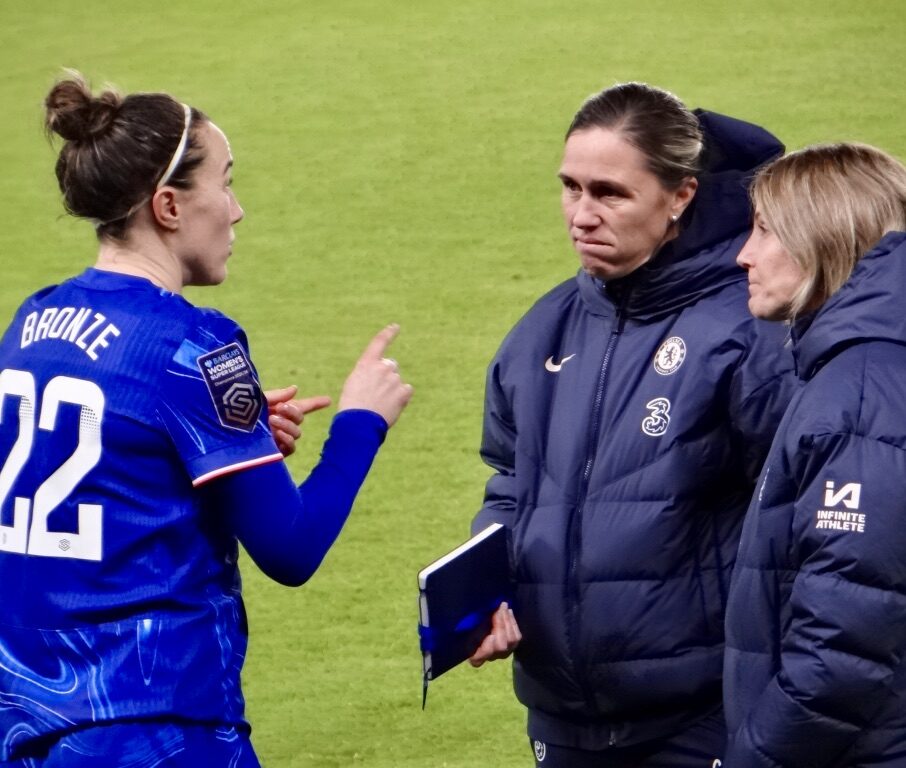
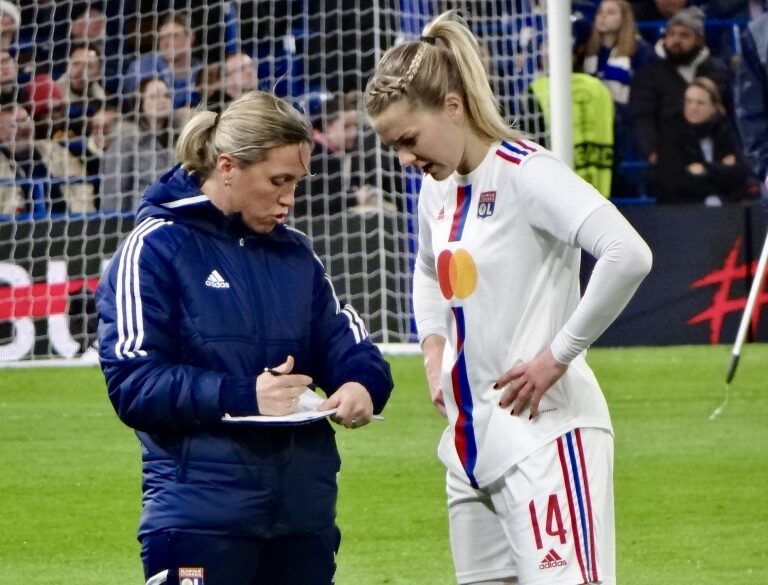
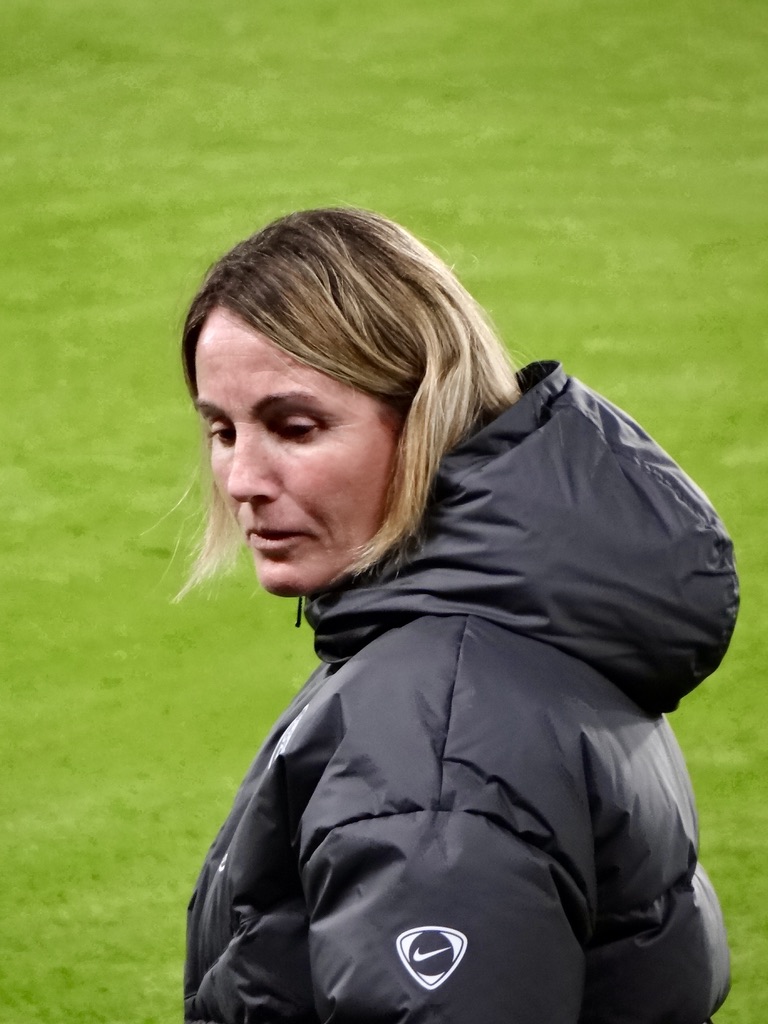
The chapter called ‘13 Years of Lies’ tells us about her relationship with her wife and current assistant at Chelsea, former France playmaker Camille Abily (above, left and centre). They have four children together.
To put it into context, right now in 2025 not many France national team players are actually openly out.
The general public is not necessarily the safest and nicest environment for those players in France, and that’s why LGBT stories are not developed at all, unlike in England. Obviously, the whole industry knew about their relationship, but it was very much a taboo subject.
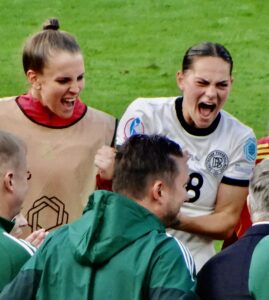
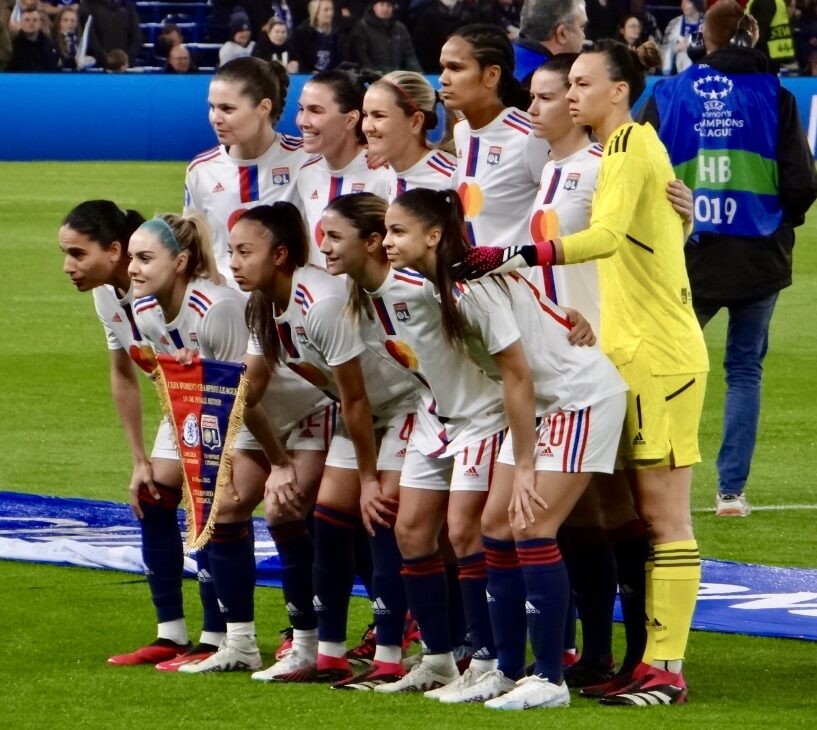
We hear about how Sonia took over the head coach role at OL (above, right), and changed things to lead the team to a Champions League win against Barcelona by installing rigorous methods and working conditions. The book concludes with her departure from Lyon after three full seasons, and her move to Chelsea.
Overall, it is a book that is easy to read, and it tells us how hard it was for female footballers of Sonia’s generation to fight to get the game to turn professional in France – and how success can come as a player and as a coach.