
CRICKET BUT QUICKER – Your T20 Quick Start Guide
The ICC Women’s T20 World Cup is set to take centre stage in England this summer. T20 cricket is the shortest and most accessible international format of the game and is a great entry point for newcomers to the sport. Here’s your quick start guide to the quickest version of cricket.
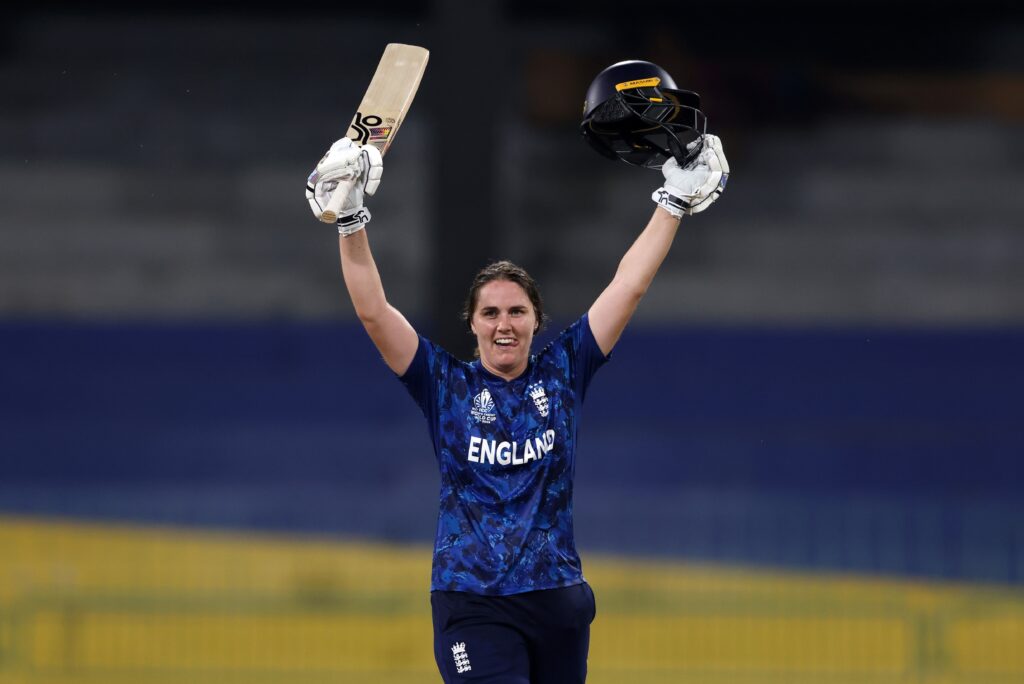
Let’s start with the name. T20 comes from the fact that each team has 20 overs to bat. Each over is made up of six balls, and the teams bat once and bowl once. Originally called Twenty20, even the name has been shortened to speed everything up.
Matches last around three hours and each innings is usually under 90 minutes, with a short break in between. Compared with a Test match (four days) and a One Day International or ODI (around 8 hours), this is by far the shortest format and much closer in length to other team sports.
There’s a coin toss to decide which team bats first and which bowls and fields first. The batting team has to get as many runs as possible in the 20 overs. The bowling team has to stop them from scoring too many runs.
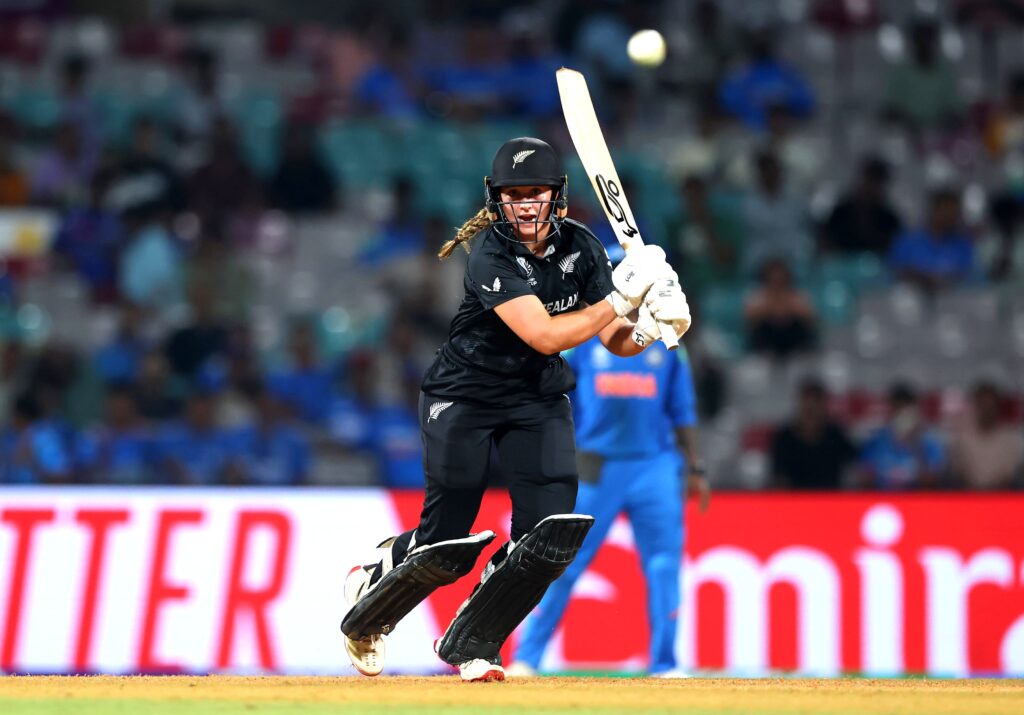
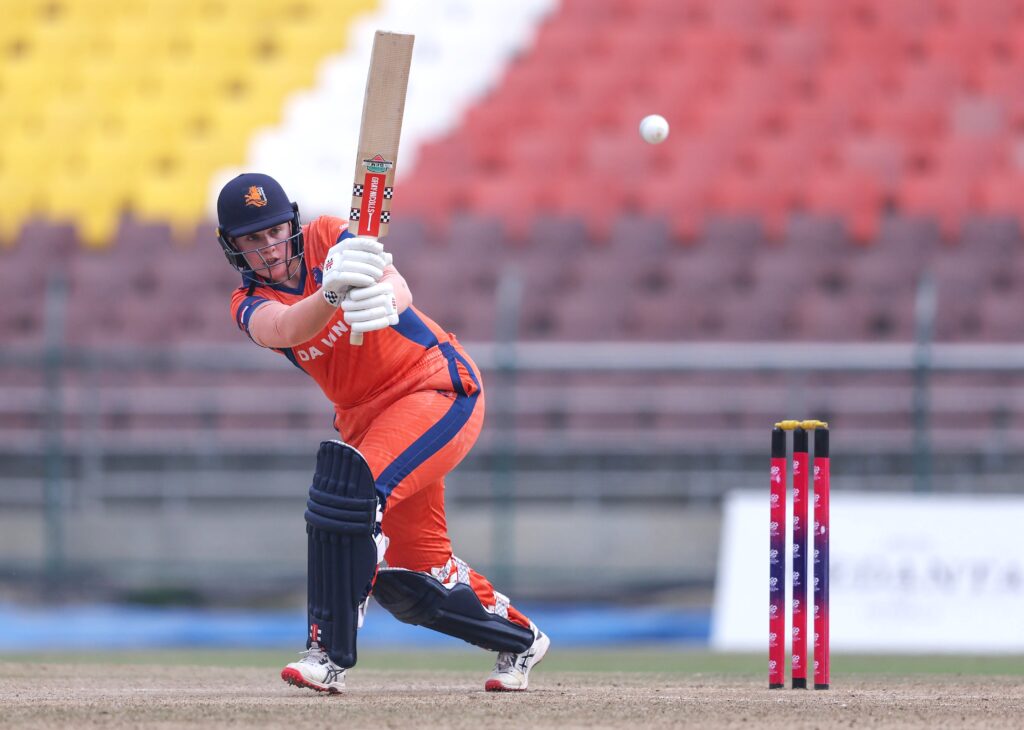
The basics of cricket
Only two of the batters come out to the pitch to start with and the rest stay on the sidelines to cheer them on (and be ready to come on quickly when it’s their turn to bat). The strongest batters usually go first.
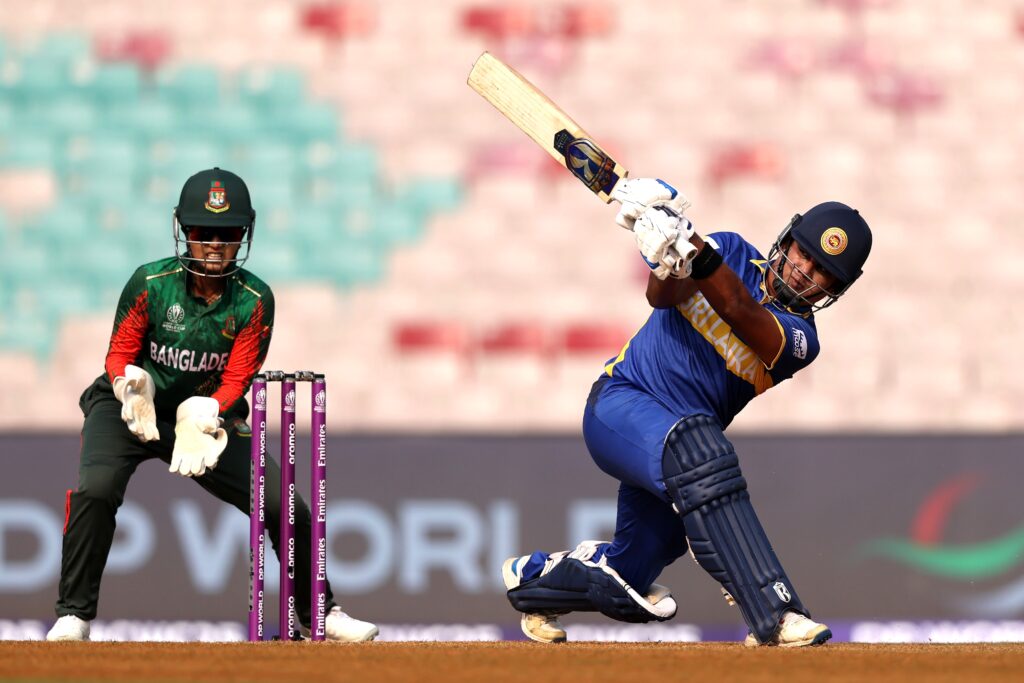
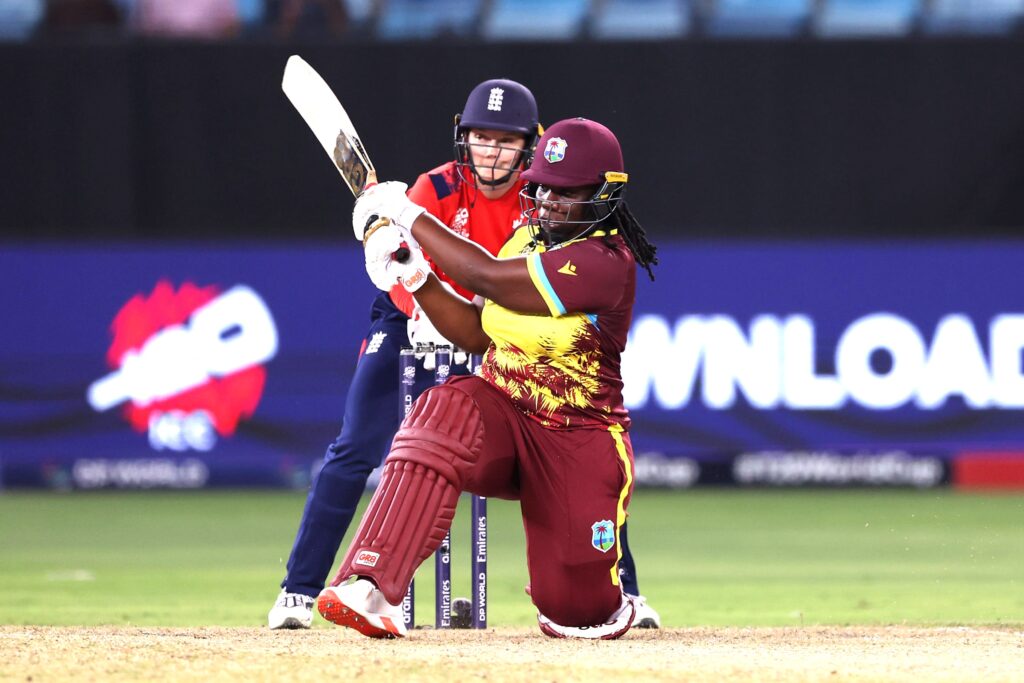
Runs are scored by running between the wickets or by hitting the ball over the boundary rope (boundaries). If it goes over the rope on the floor or after bouncing, it’s four runs. If it goes over the rope before it bounces, it’s six. The umpire makes hand signals to show if it’s a four or six. Hands in the air for six, a body height sweeping hand wave for four.
The bowling side has specialist bowlers, while the rest of the team field around the pitch, trying to stop runs and take catches.
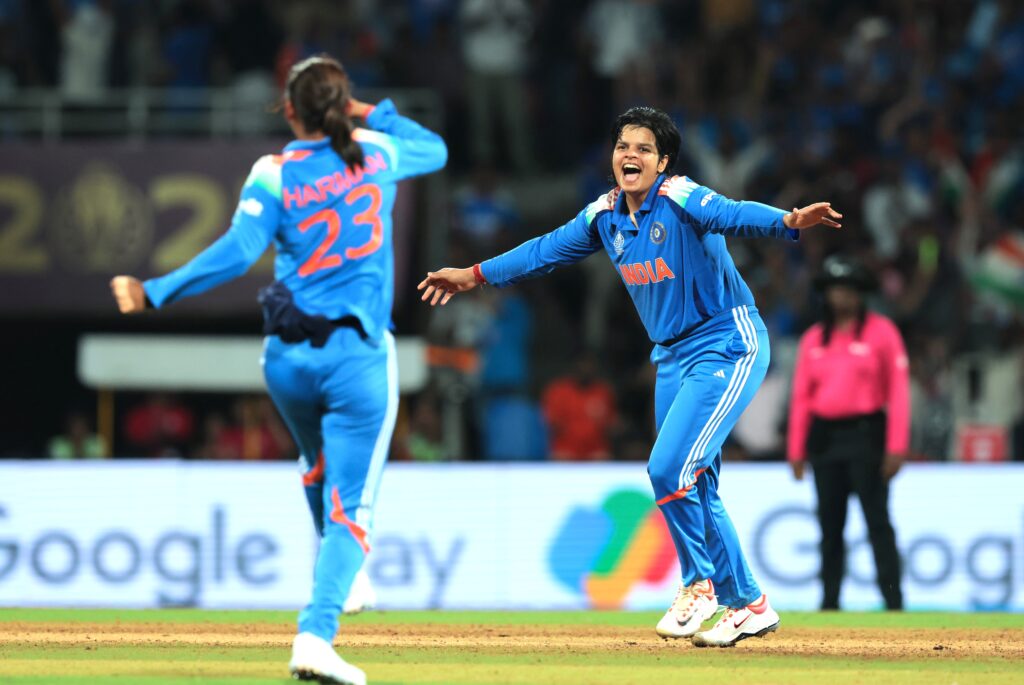
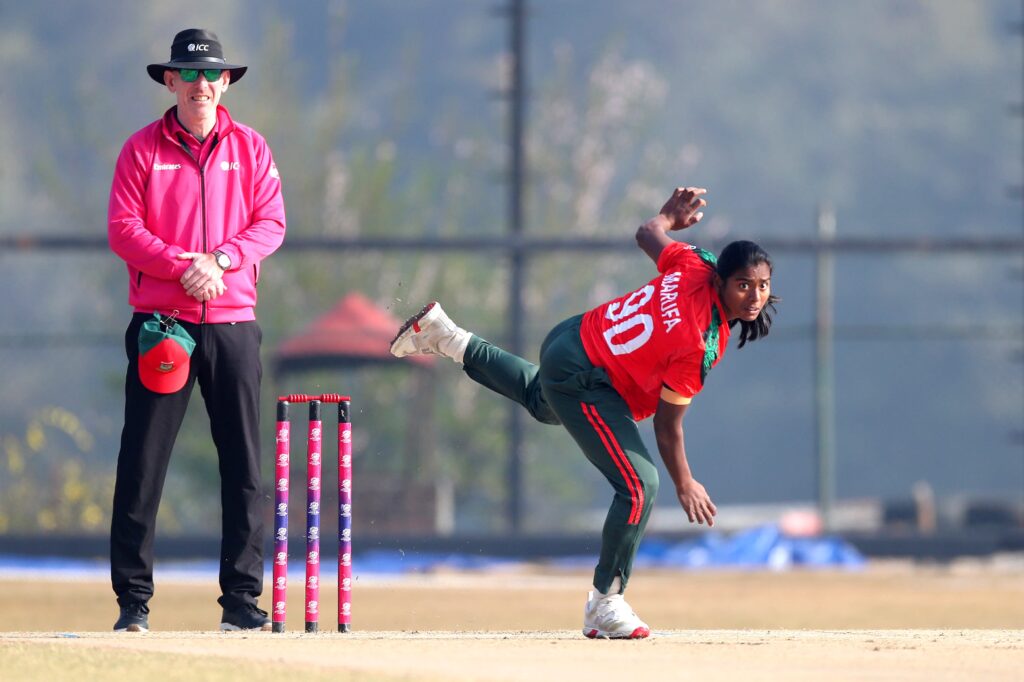
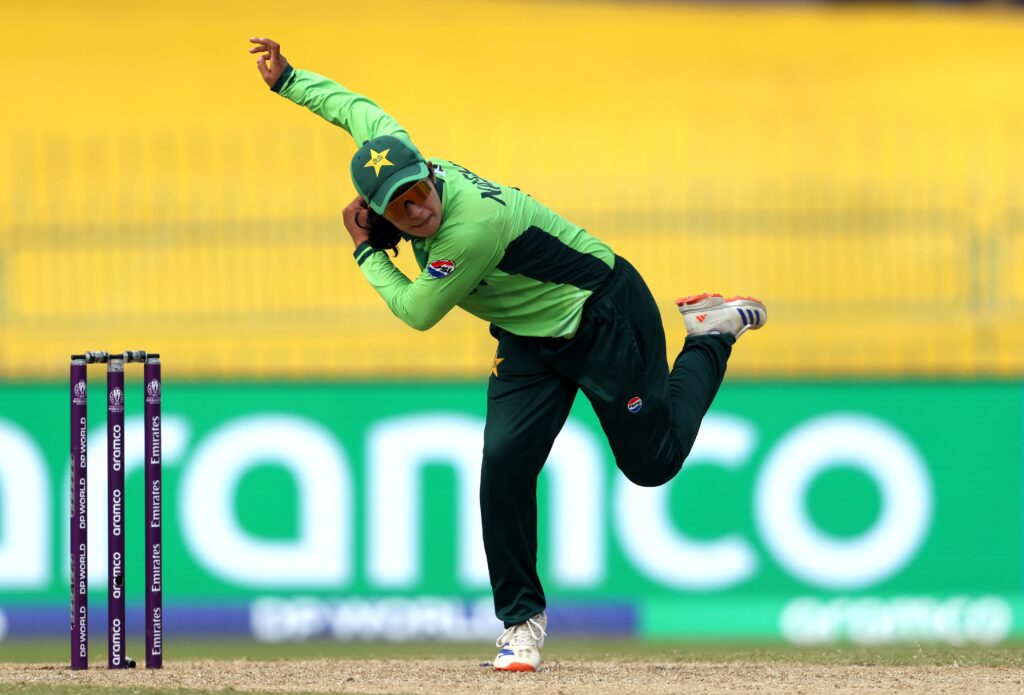
Batters can be out in several ways:
- Bowled – the ball hits the wicket
- Caught – a fielder (or the bowler) catches the ball before it bounces
- Run out – the batting team doesn’t make it safely to the other end while running between the wickets
- LBW (Leg Before Wicket) – where a batter’s leg blocks the ball from reaching the wicket
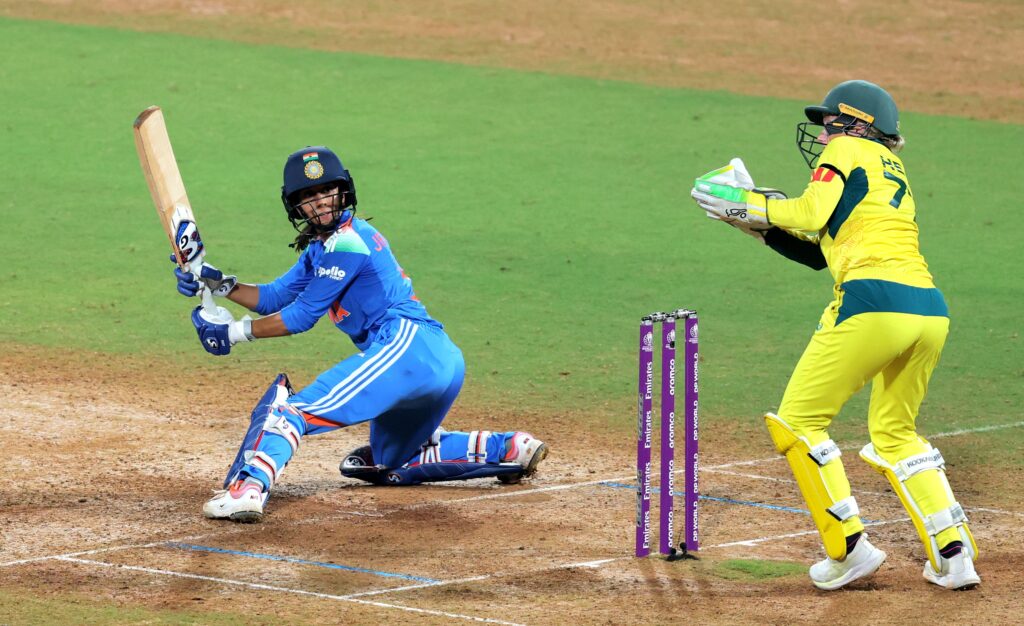
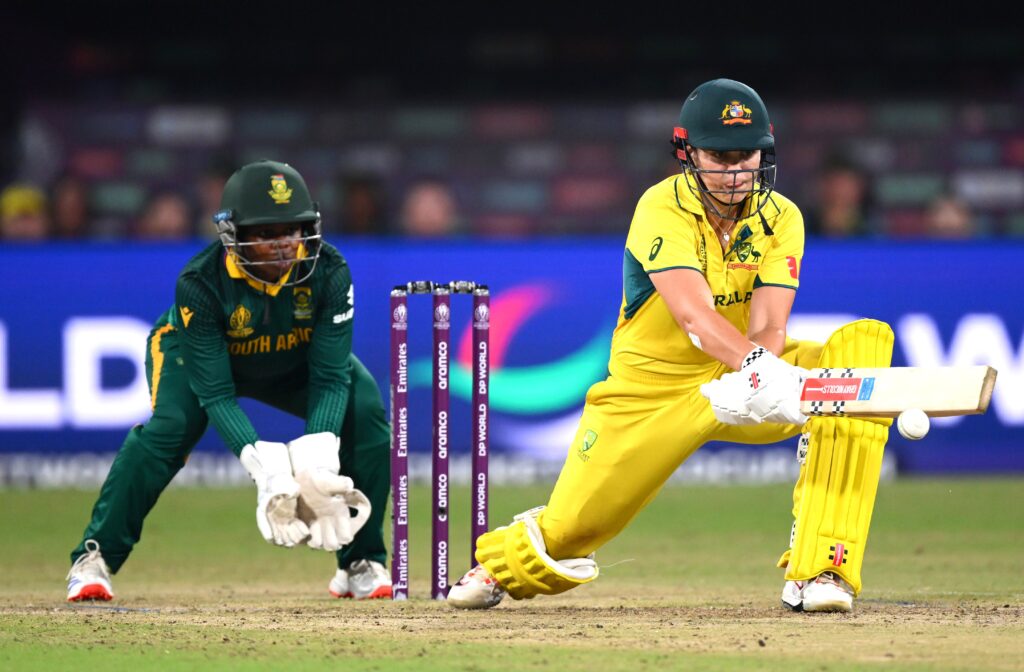
LBW is one of the more complicated rules of cricket and there are lots of factors taken into account.
The umpire raises a finger if the batter is out.
Once a batter is out, they make the lonely walk back to the sidelines and the next batter comes to the crease (the line they stand on to bat).
When 10 batters are out, the innings ends, even if there are more overs left to play.
T20 specific rules
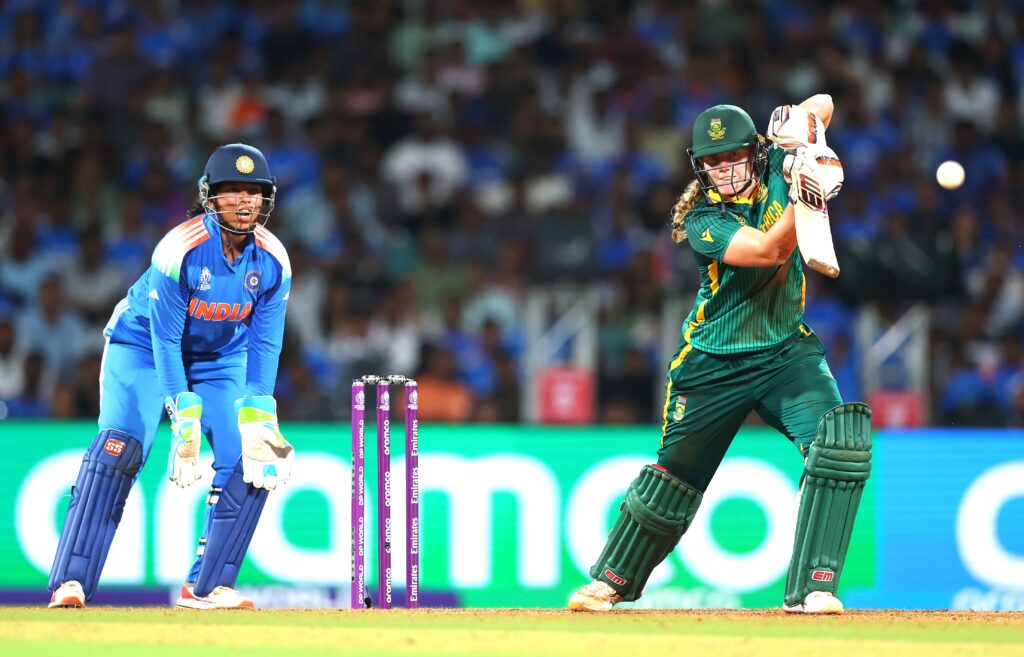
T20 is built around momentum swings. A team can look in complete control one over and collapse the next. It’s an exciting, attacking style of cricket.
Runs need to be scored more quickly so batters tend to go for boundaries – big hitting and quick scoring. This also means there are more opportunities for the bowling team to get them out – quick wickets are more common in T20 than other more conservative formats.
The T20 form of cricket has rules and restrictions that are different to some other formats. Bowlers can only bowl a maximum of four overs out of the 20. The fielding setup is also restricted through part of the match, making it easier to score big runs early on.
For example, during the first six overs (known as the powerplay), only two fielders are allowed near to the boundary – the rest have to be closer to the wicket. This, in theory, means it’s easier for batters to score four or six runs over the boundary rope. For the rest of the 14 overs, no more than four fielders are allowed nearer the boundary. Again, to make it a bit easier for batters to score quickly – but with big swings come more opportunities to catch a batter out.
To help speed up the game, the bowling team can be penalised for taking too long to get through their overs.
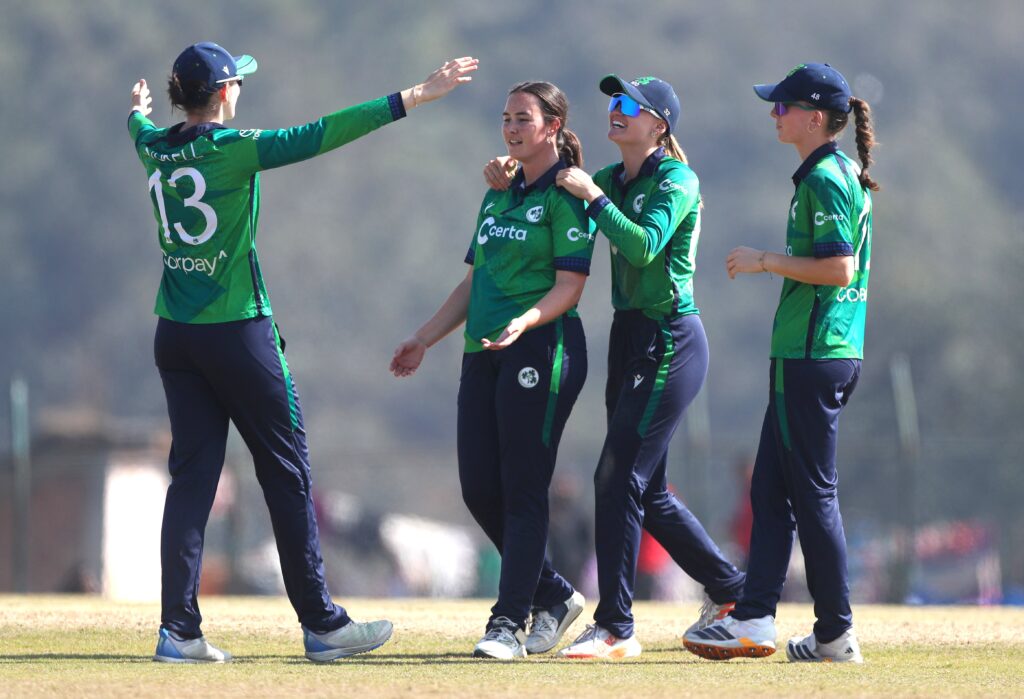
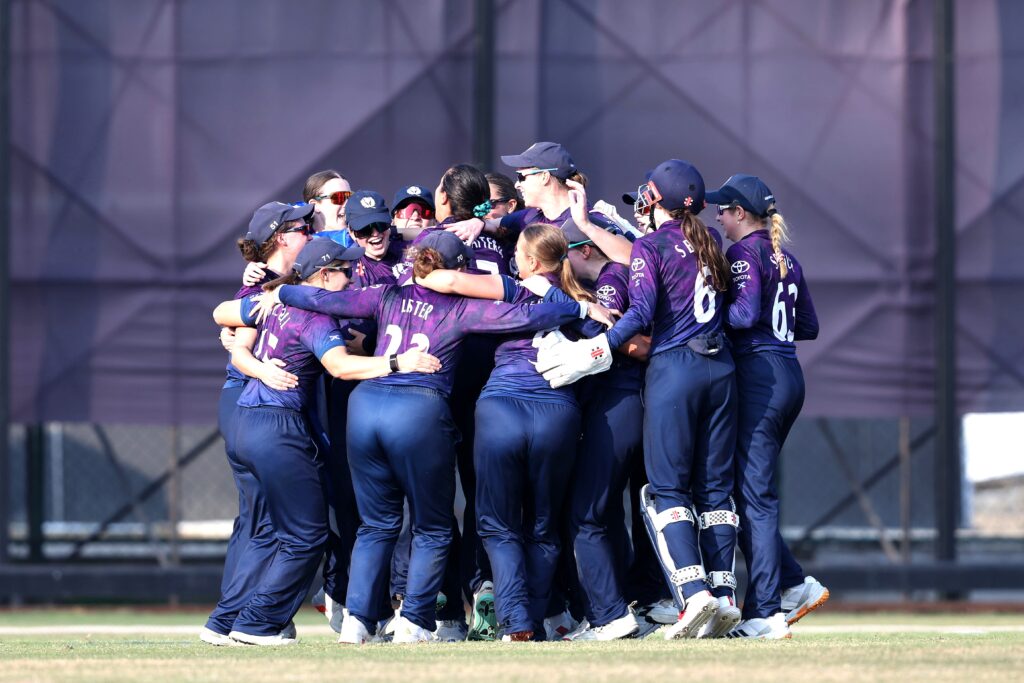
All the rule changes are designed to make the game fast-paced and exciting.
Of course, all this talk of teams getting 20 overs to bat can be completely upended by the English weather. Once rain gets involved, there’s a flurry of complicated calculations to determine how many overs can be played, how it affects the above rules, and talk of something called a Duckworth-Lewis-Stern (DLS) method to calculate scores. Let’s hope it stays dry.
When and where to watch
The T20 Women’s World Cup runs from 12th June to 5th July 2026.
For tickets go to the ICC website: https://tickets.womens.t20worldcup.com/selection/event/date?productId=10228814154367
All games will be shown on Sky Sports and NOW. Select games will be free to view on Sky Mix and the Sky Sports app (see below).
Friday 12th June
18.30 England v Sri Lanka, Edgbaston*
Saturday 13th June
10.30 Scotland v Ireland, Old Trafford*
14.30 Australia v South Africa, Old Trafford
18.30 West Indies v New Zealand, Southampton
Sunday 14th June
10.30 Bangladesh v Netherlands, Edgbaston
14.30 India v Pakistan, Edgbaston
Tuesday 16th June
14.30 New Zealand v Sri Lanka, Southampton
18.30 England v Ireland, Southampton
Wednesday 17th June
10.30 Australia v Bangladesh, Headingley
14.30 India v Netherlands, Headingley
18.30 South Africa v Pakistan, Edgbaston
Thursday 18th June
18.30 West Indies v Scotland, Headingley
Friday 19th June
18.30 New Zealand v Ireland, Southampton
Saturday 20th June
10.30 Australia v Netherlands, Southampton
14.30 Pakistan v Bangladesh, Southampton
18.30 England v Scotland, Headingley
Sunday 21st June
10.30 West Indies v Sri Lanka, Bristol
14.30 South Africa v India, Old Trafford
Tuesday 23rd June
10.30 New Zealand v Scotland, Bristol
14.30 Sri Lanka v Ireland, Bristol
18.30 Australia v Pakistan, Headingley
Wednesday 24th June
18.30 England v West Indies, Lords
Thursday 25th June
14.30 India v Bangladesh, Old Trafford
18.30 South Africa v Netherlands, Bristol
Friday 26th June
Sri Lanka v Scotland, Old Trafford
Saturday 27th June
10.30 Pakistan v Netherlands, Bristol
14.30 West Indies v Ireland, Bristol
18.30 England v New Zealand, Oval
Sunday 28th June
10.30 South Africa v Bangladesh, Lords
14.30 Australia v India, Lords
Tuesday 30th June
14.30 Semi-final 1, Oval
Thursday 2nd July
18.30 Semi-final 2, Oval
Sunday 5th July*
14.30 Final, Lords
*Free-to-air on Sky Mix (Freeview channel 11; Freesat channel 144; Sky channel 151).
England v Sri Lanka will also be available on Sky’s YouTube channel.
England, Scotland, and Ireland’s remaining group fixtures will be available for free on the Sky Sports app.
All other games will be live on Sky Sports.
Other territory broadcasters:
Netherlands – NOS TV & ICC.tv
India – Star Sports & JIO Hotstar
Australia – Amazon Prime Video
New Zealand – Sky Sports
Bangladesh – Rabbithole & ICC.tv
Sri Lanka – Dialog TV/TV Supreme/Star Sports
Pakistan – Myco/PTV/Geo Super/Tamasha/Tampad
Caribbean Islands – ESPN
Middle East and North Africa – Starzplay
USA and Canada – Willow TV
Singapore – Hub Sports 4 & ICC.tv
Malaysia and Hong Kong – CricBuzz & ICC.tv
Pacific Islands – TVWAN Sports & ICC.tv
Latin America – Disney+
Rest of the World – ICC.TV
Photos: ICC