
NEW YORK STATE OF MIND. How Elena Rybakina won the US Open
Under the lights of Arthur Ashe Stadium, Elena Rybakina defeated Aryna Sabalenka 6-4, 7-5, 6-2 in a thrilling final lasting 2 hours and 21 minutes, to claim her maiden US Open title and second Grand Slam this year.
Long-time follower Fatima Malik examines how the Kazakh triumphed – and made it to the very top of the rankings.
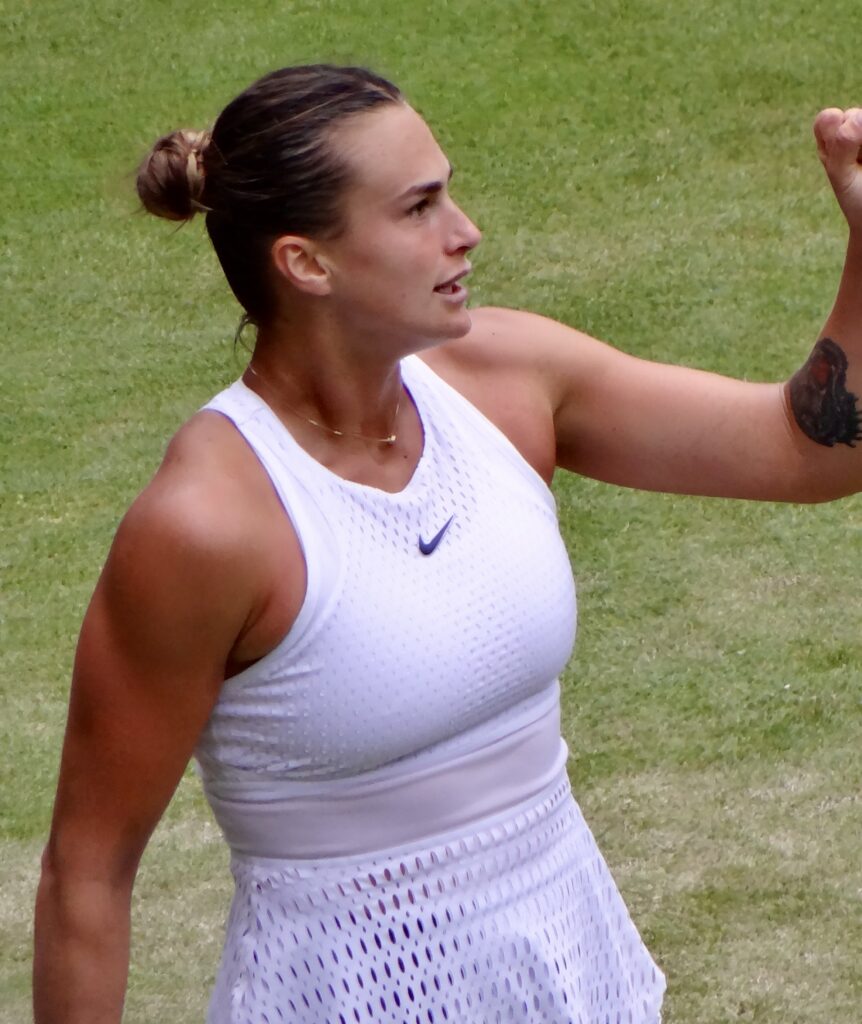
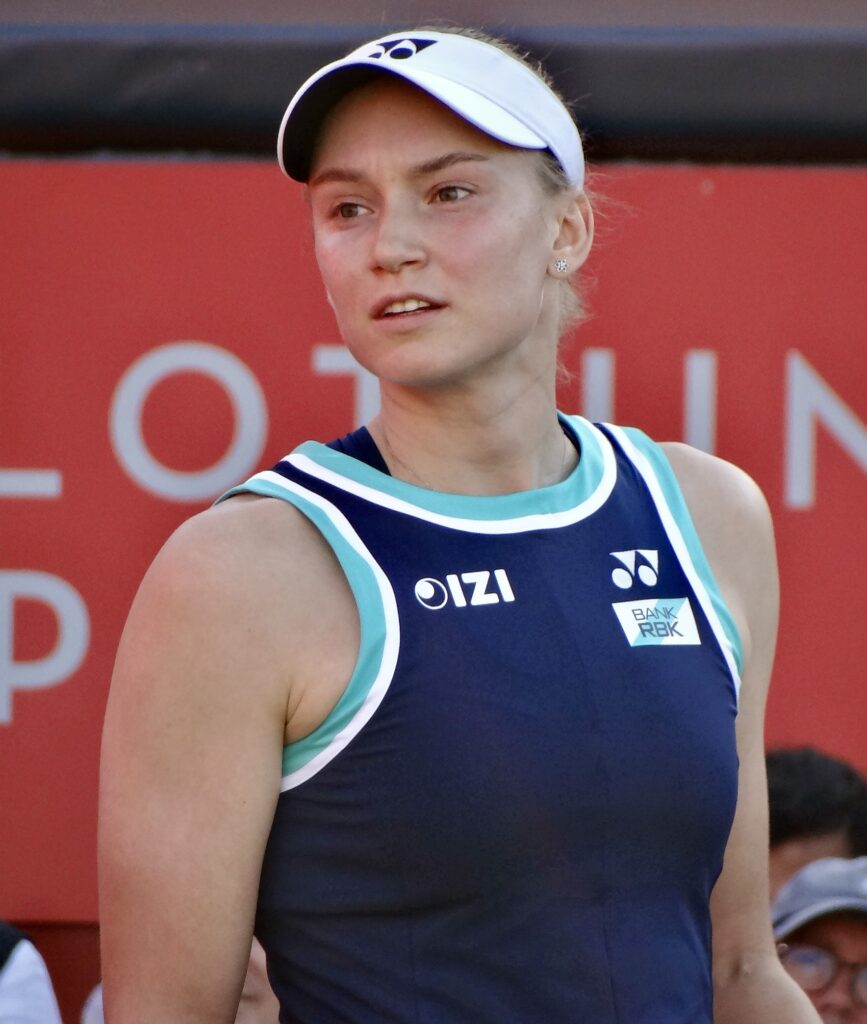
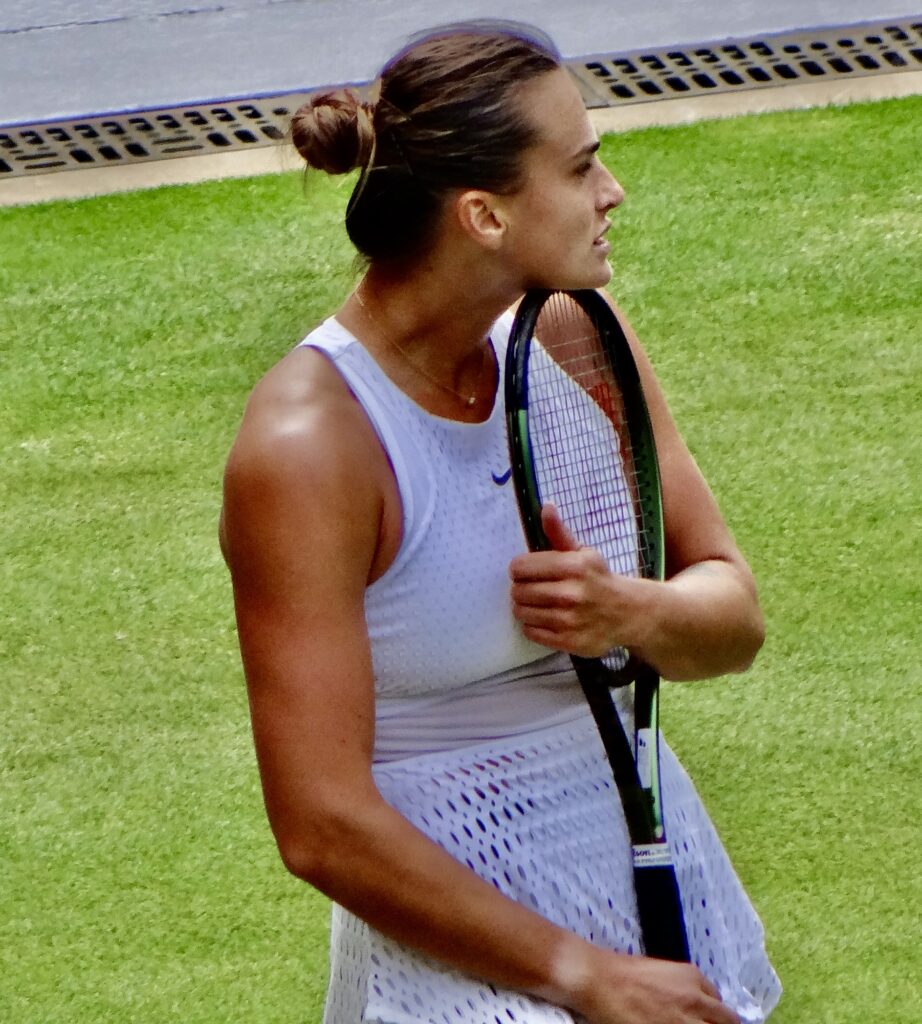
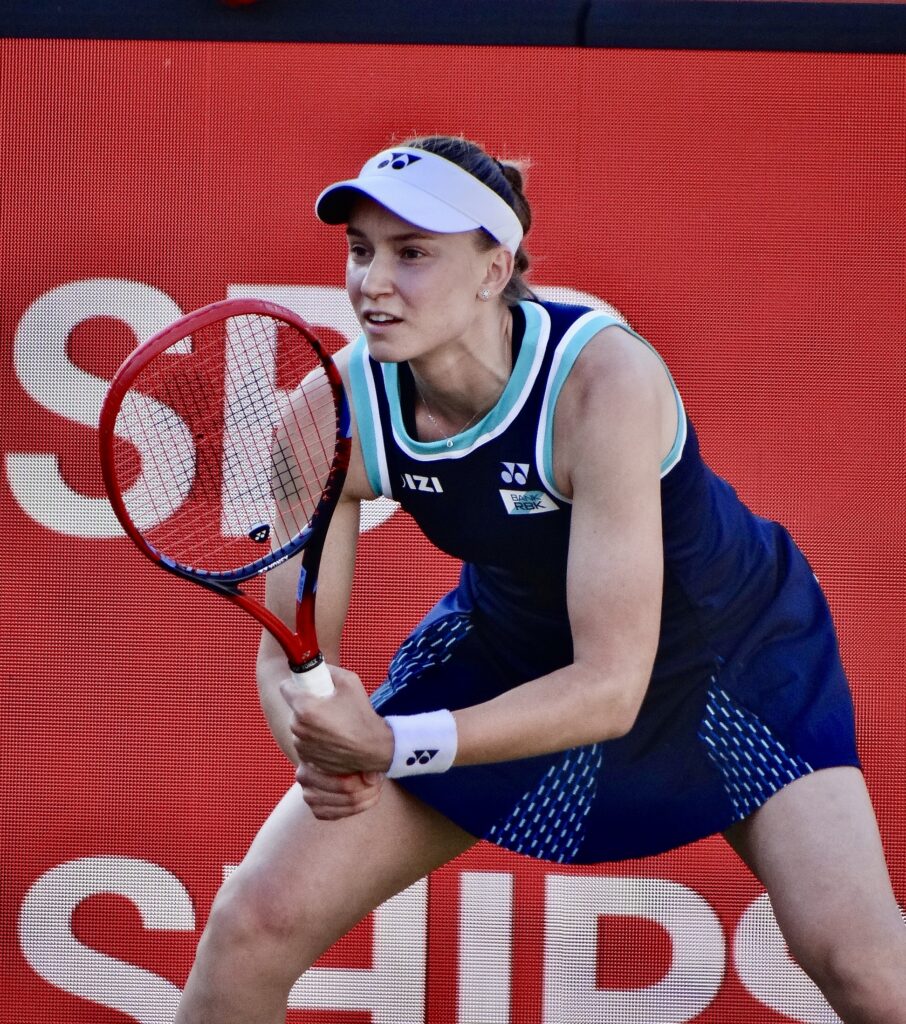
For Elena Rybakina (above, right), victory in the US Open marks another extraordinary step in her rise to the pinnacle of women’s tennis. She has become the first Kazakh player to reach world No. 1, replacing Aryna Sabalenka (above, left), who finishes a frustrating year without a Grand Slam title.
The Belarusian entered the tournament as the top seed and two-time defending champion, looking to lift the trophy for a third consecutive year. Rybakina arrived having already experienced her own frustration of a difficult summer and needing to push past persistent scrutiny over whether she could find her rhythm again.
For Rybakina, the result is all the more remarkable for recapturing form at the end of a rocky season including both major successes and setbacks.
Ending a four-year wait for a second Grand Slam, Rybakina started her season strongly, securing her first Australian Open championship following a dramatic three-set final against Sabalenka. She had already established herself as a major force, known for her lethal serve. However, even for a player of her ability, the season was far from straightforward.
After winning the Stuttgart Open in April with a victory over Karolina Muchova, Rybakina struggled to maintain momentum. She suffered a semi-final defeat to Sabalenka in Miami before losing to her again in the Indian Wells final.
The clay and grass court seasons in Europe brought further disappointment. An early second-round exit at Roland Garros was followed by a loss to fast-rising Alex Eala in Berlin. After advancing to the quarter-final at Queen’s where she was stopped in her tracks by home favourite Katie Boulter, she suffered a shock third-round exit at Wimbledon against Elise Mertens.
For a player of Rybakina’s quality, those results felt underwhelming, almost shocking. Yet they now look more like bumps in the road than signs of decline.
Forced to retire just five games into her Cincinnati quarter-final against Iga Swiatek, the 27-year-old was dealing with a lingering Achilles injury that cast serious doubt over her short-term future. Then followed a full week without hitting a ball, providing arguably the worst possible preparation for a Grand Slam.
Resilience
Given her disastrous build-up, Rybakina’s championship run stands as a masterclass of sheer resilience.
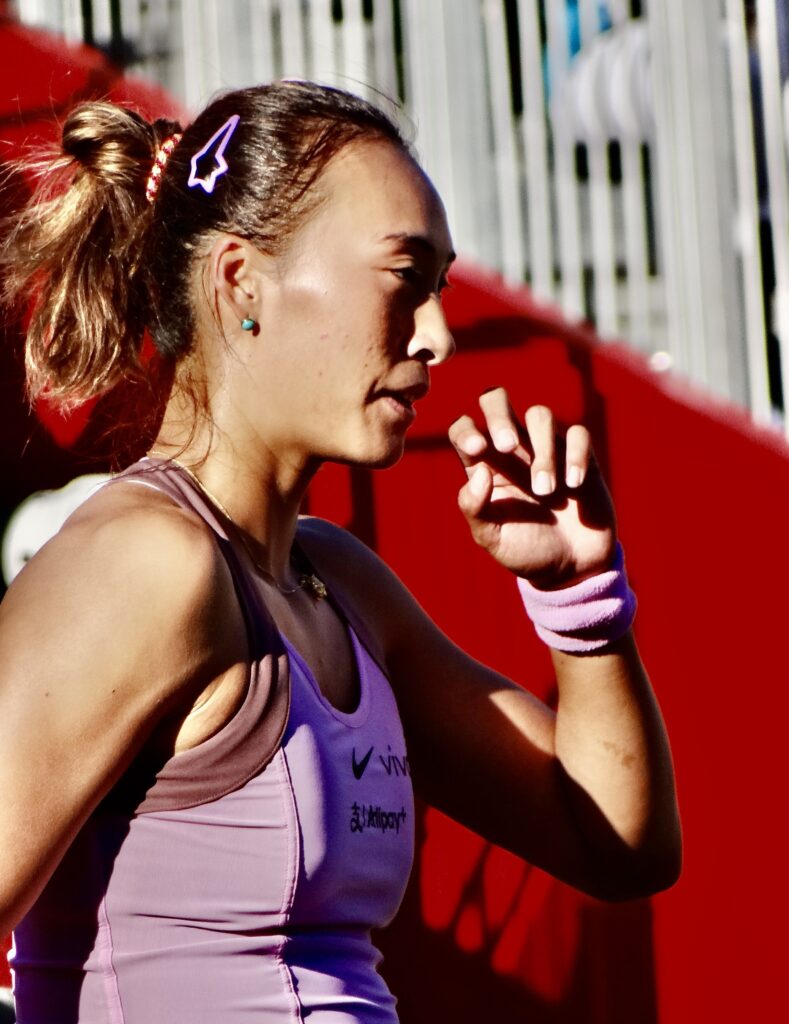
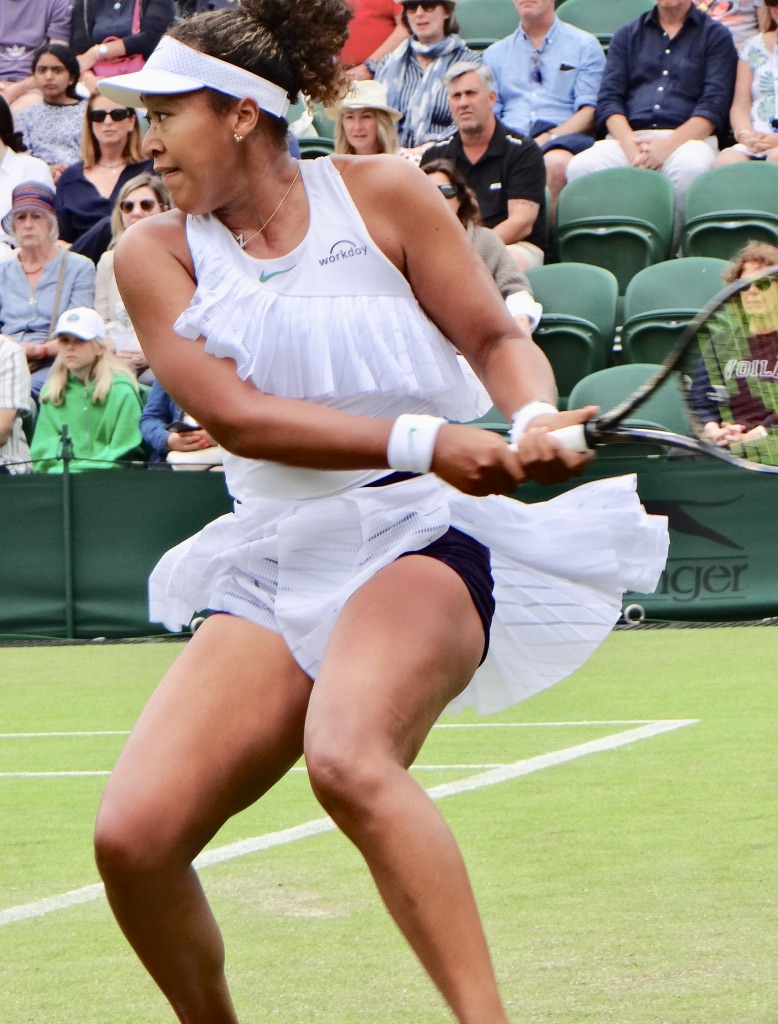
Following wins against Thea Frodin, Jessica Bouzas Maneiro, and Yuliia Starodubtseva, she advanced to face former US Open champion Naomi Osaka (above, right) in the Round of 16. A clinical 6-1, 6-4 victory for Rybakina set up a quarter-final clash against Olympic champion Qinwen Zheng (above, left).
Zheng entered the match on an incredible run, having come through the qualifiers and defeated opponents like Madison Keys and six-time Grand Slam champion Iga Swiatek. More than just a spot in the semi-finals was on the line, as a victory would secure the world No. 1 ranking for Rybakina.
Dropping the opening set, Rybakina found herself locked in a fierce battle against the Chinese star. Undeterred by the early setback, she completely shifted momentum in the second and third sets, displaying the unwavering composure that defined her run. Securing a 3-6, 6-1, 6-4 victory over Zheng booked her place in the final four at Flushing Meadows while also officially clinching the world No. 1 ranking for the first time in her career.
Fresh from locking in her status as the new No. 1, Rybakina stepped onto Ashe for a high-stakes semi-final battle against crowd favourite Coco Gauff. Facing a hostile, deafening crowd, Rybakina dropped the first set 3-6. Shaking off the slow start, she adjusted her tactics, rallying to take the next two sets 6-4, 6-4, to book her ticket to her first ever US Open final.
Meanwhile, Sabalenka charged her way through the tournament, beating Taylor Townsend in the Round of 16 and winning 7-6,3-6,7-6 against 21-year-old Czech Linda Noskova in a nerve-wracking battle. Then a commanding 7-5, 6-2 semi-final victory against Jessica Pegula set the stage for a blockbuster championship clash against Rybakina.
Momentum
For years, their rivalry has been defined by fierce, closely-fought matches and swinging momentum. Sabalenka’s victory over Rybakina in the 2023 Australian Open final gave her a first Grand Slam title. Rybakina responded by winning the WTA Finals last year and the Australian Open against Sabalenka this year, before Sabalenka claimed victories over her in Miami and Indian Wells.
In an electrifying 2026 US Open final, Elena Rybakina outlasted Aryna Sabalenka 6-4, 5-7, 6-2 to claim the title. Backed by a dominant serving display, Rybakina fired 12 aces and won 85% of her first-serve points, totalling 103 points won to Sabalenka’s 90. Despite Sabalenka fighting back to take the second set fuelled by relentless power and six aces, Rybakina staged a brilliant third-set resurgence to capture a historic title, securing a monumental victory to cap off her incredible fortnight in Flushing Meadows.
Sabalenka’s fourth consecutive US Open final had suggested that she remained the player to beat in New York. Instead, Rybakina became the first player to stop her from winning the tournament for a third straight year.
There is also a financial milestone attached to her achievement. Rybakina’s US Open victory comes with $5.5 million in prize money, matching the men’s singles payout and highlighting the tournament’s equal pay commitment.
The outcome goes well beyond the title itself, reshaping the hierarchy of women’s tennis going forward. Sabalenka lost both her US Open title and the world No. 1 spot, while Rybakina begins the next stage of her career from the top of the rankings.
The world No. 1 boasts 14 career titles, including three Grand Slams and she has established herself as the latest player capable of challenging Sabalenka at the very top of the sport.
When Rybakina walked onto Arthur Ashe Stadium, she was facing the defending champion, the top seed and a player chasing an historic third consecutive US Open title. When she walked off, she was the champion herself. A victory that had transformed a difficult period of her season into a defining moment of her career.
Rybakina did not simply win the US Open, she announced that women’s tennis has a new world No. 1, and that she intends to stay there.
Photos: Helen M Jerome