
TRIUMPH & DISASTER – Wimbledon’s new mentality monsters
Just one eventful day at Wimbledon reveals how, despite all the technical, tactical and physical leaps forward in women’s tennis, it’s all about mentality.
Helen M Jerome is courtside to witness this new breed of reflective and insightful players.
Fourth of July. Baking hot day with not a breath of wind. Every court packed with enthusiastic and partisan spectators. And across four key singles matches in the third round at Wimbledon, I got a good glimpse of the quality and depth of the women’s game.
Crucially, however, I also saw how these exciting players – each at a different stage of their career – now look within themselves as part of their routine. And they are refreshingly upfront about this.
Unafraid to show vulnerability or emotion, they frequently and candidly open up about the intensity of the struggles they are going through. And occasionally they talk of the joy they seek out to buoy them up and propel them forward.
Rather appropriately, these women are echoes of that oft-quoted line from Rudyard Kipling’s 1910 poem ‘If’ – which the players see just before they step onto Centre Court – “If you can meet with Triumph and Disaster / And treat those two impostors just the same.”
For context, elsewhere around the grounds on that same day, top seeds like Iga Swiatek (3) and Elena Rybakina (2) were being dispatched by lower-ranked opponents – respectively Alex Eala and Elise Mertens – so the atmosphere was buzzing and the crowds were hungry for their share of upsets.
Let’s dig into four different contests – including the eventual champion – and the players’ thoughts post-match.
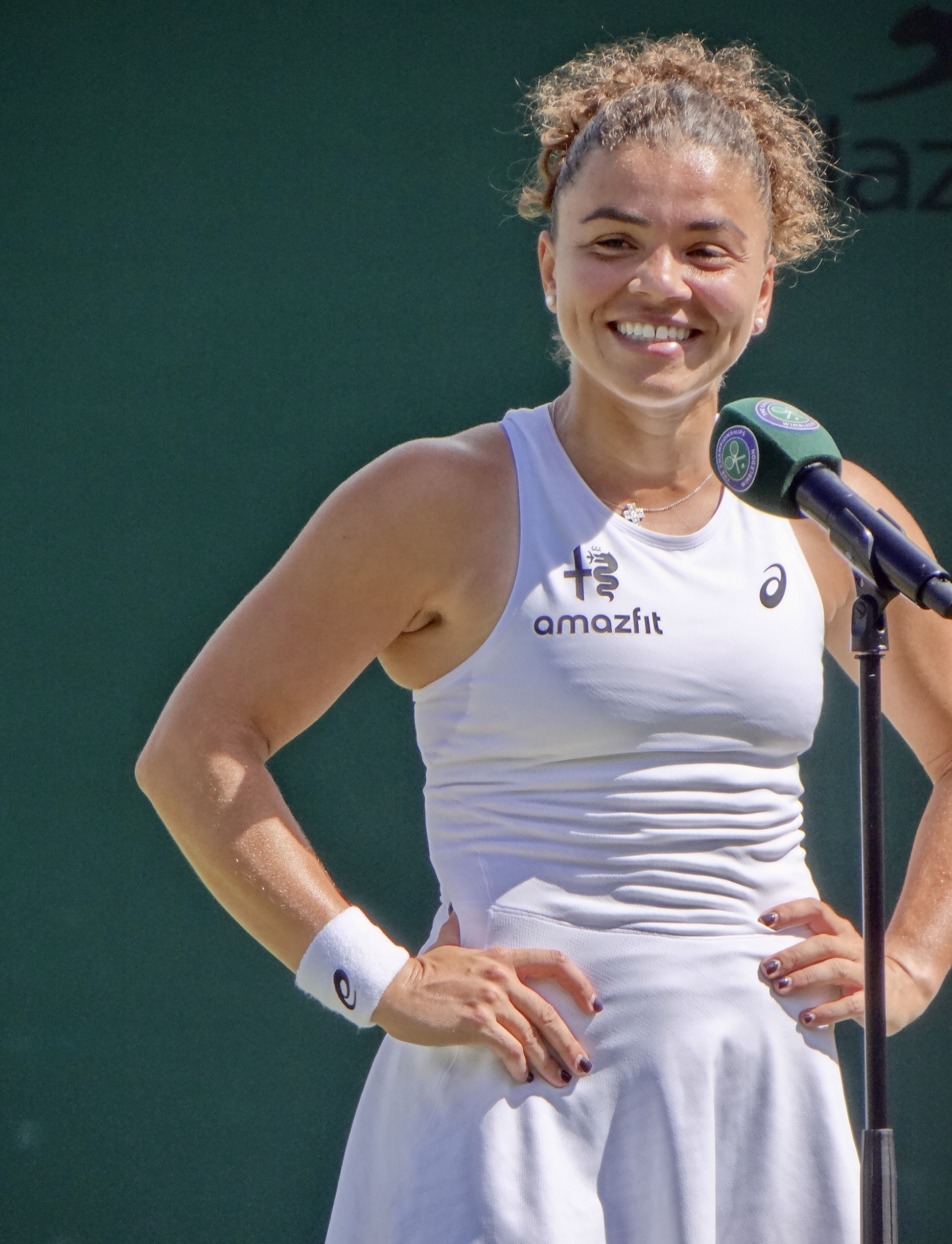
JASMINE PAOLINI. 6-1, 6-2 win over Maria Sakkari (Court Three)
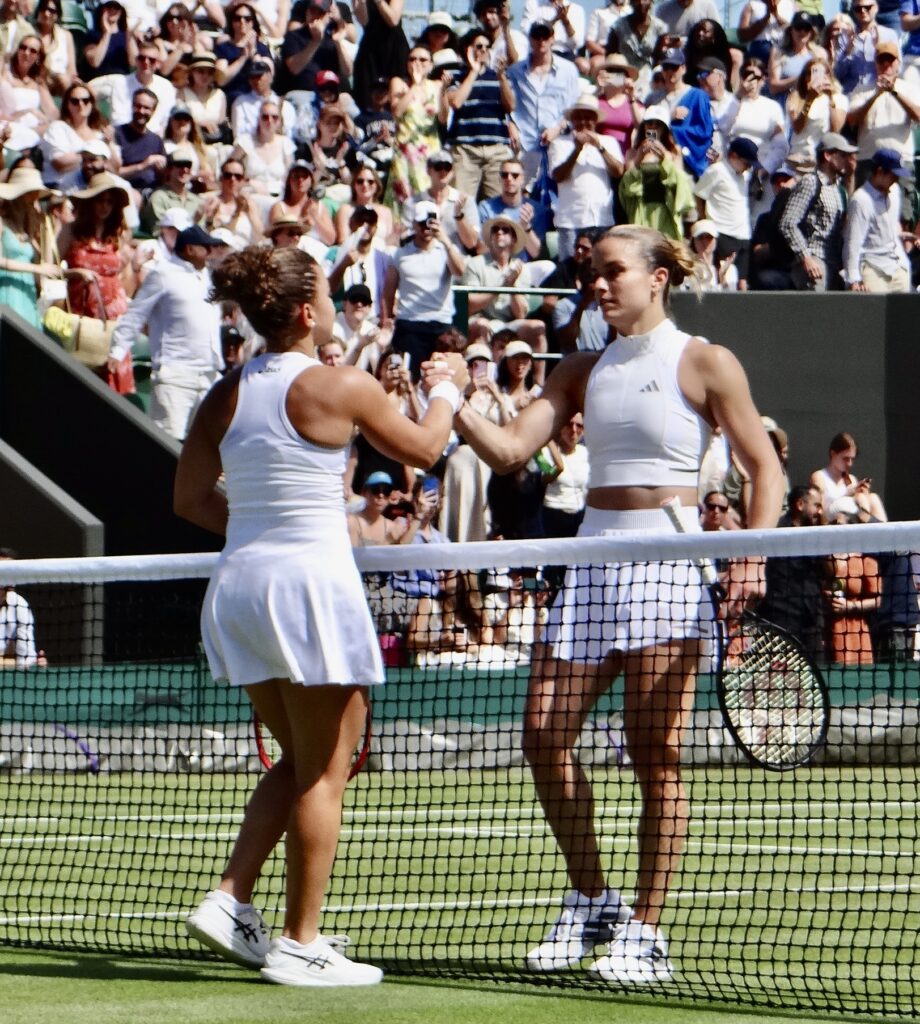
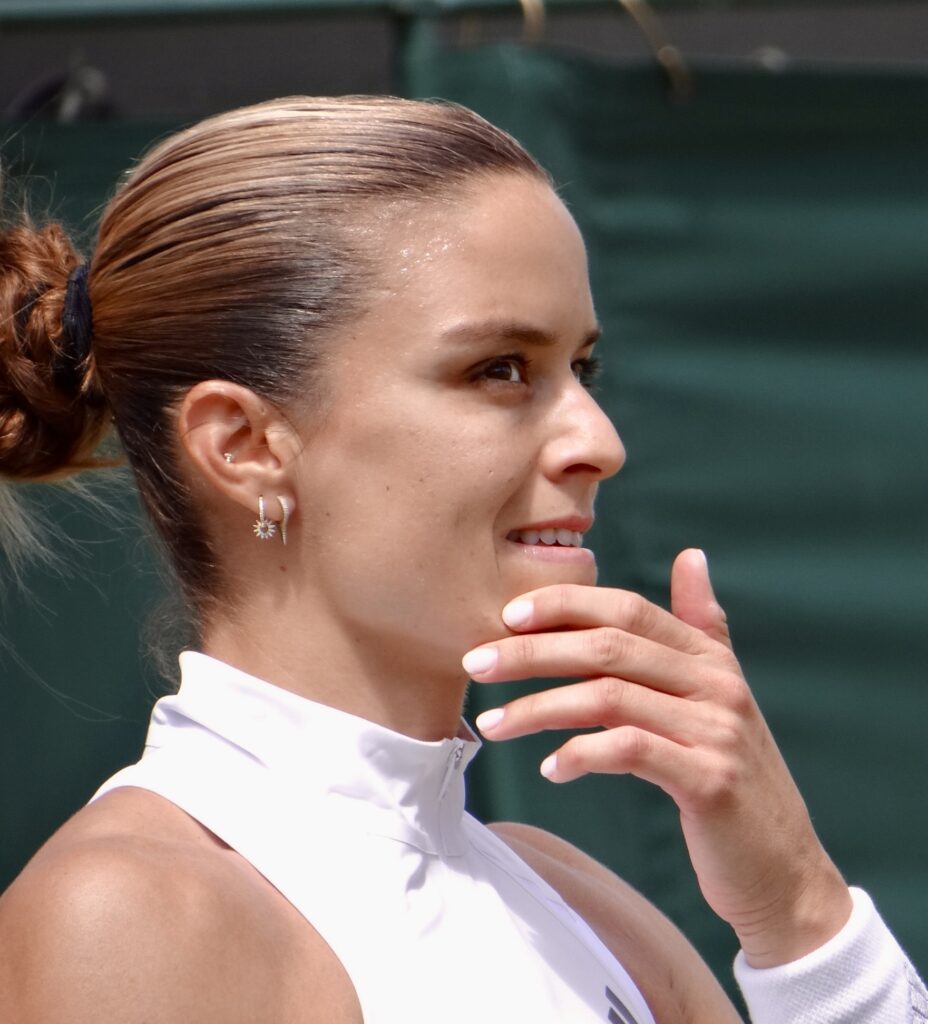
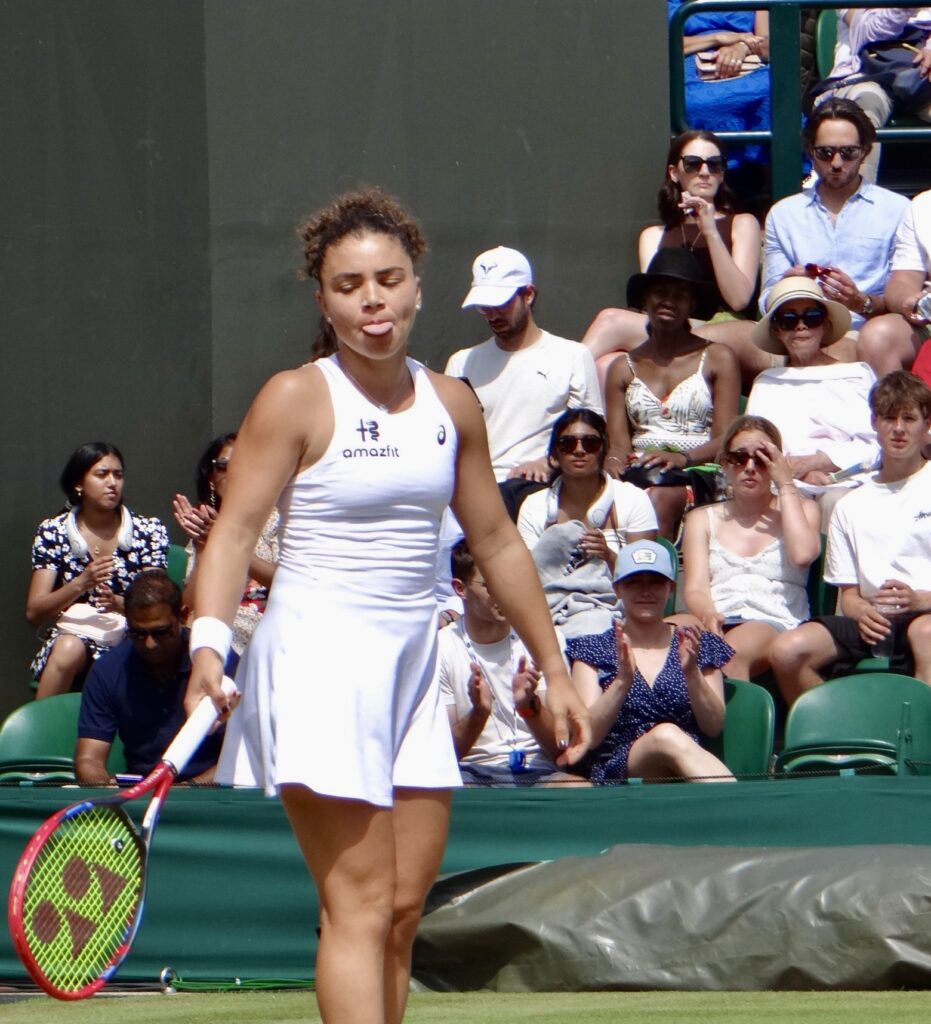
A Mediterranean contest to savour. Maria Sakkari all Greek grace and Amazonian power, and semi-finalist at the US and French Opens in 2021. Jasmine Paolini the cheeky, pint-sized (5ft 4in) Italian who won our hearts in her hugely entertaining runs to the finals at Roland Garros and Wimbledon in 2024, who also grabbed Olympic gold that same year in the doubles.
Both aged 30, with Sakkari unseeded and Paolini the No 13 seed. The Italian entered the court all smiles, her Greek opponent fully focused. But the match tipped the way of Italy from the start, Sakkari’s huge serve occasionally faltering, with enough room for Paolini to nip in and break it with her sheer variety, and a series of brilliant, crushing returns. Several good rallies and Paolini’s effervescence kept the crowd engaged, even as she sped to victory in straight sets.
After the match, I was able to speak to Jasmine Paolini (below, left) and ask her about playing with such a positive attitude and obvious enjoyment in what’s been an injury-blighted season.
JASMINE PAOLINI:
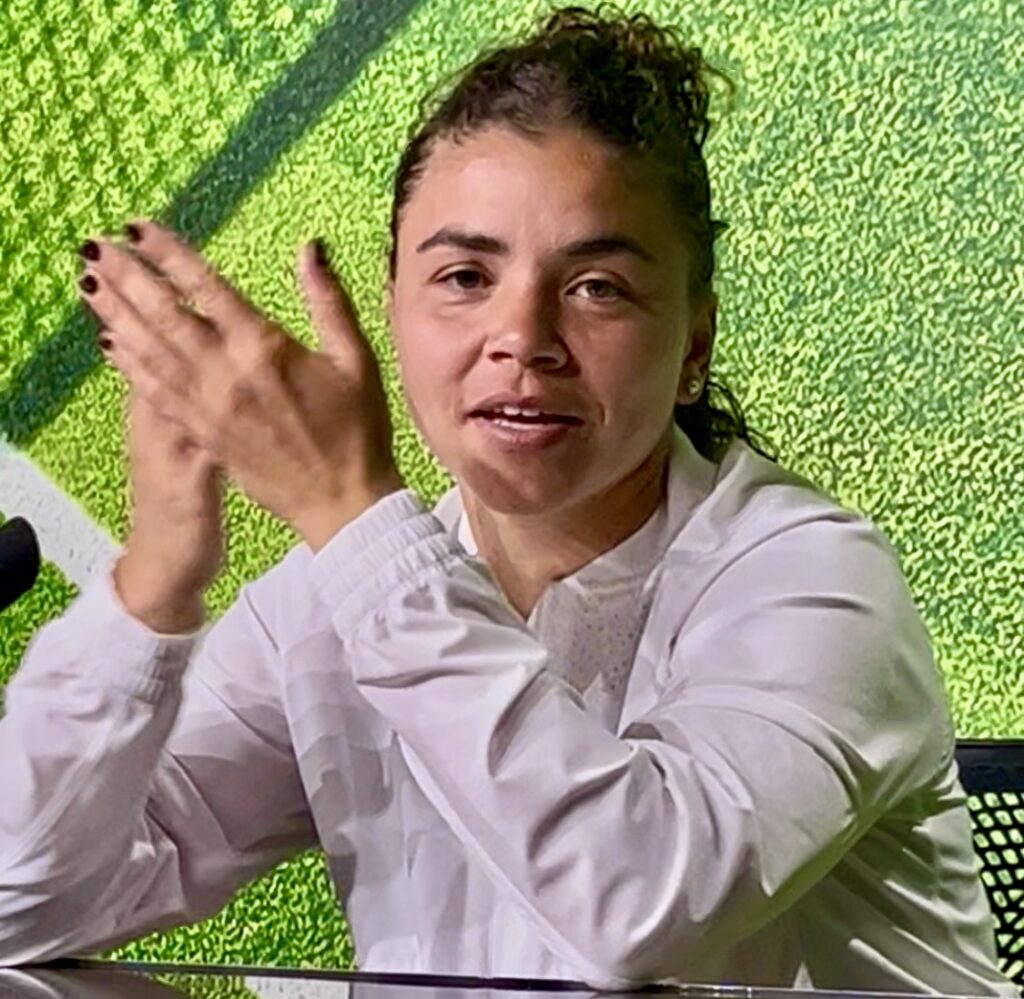
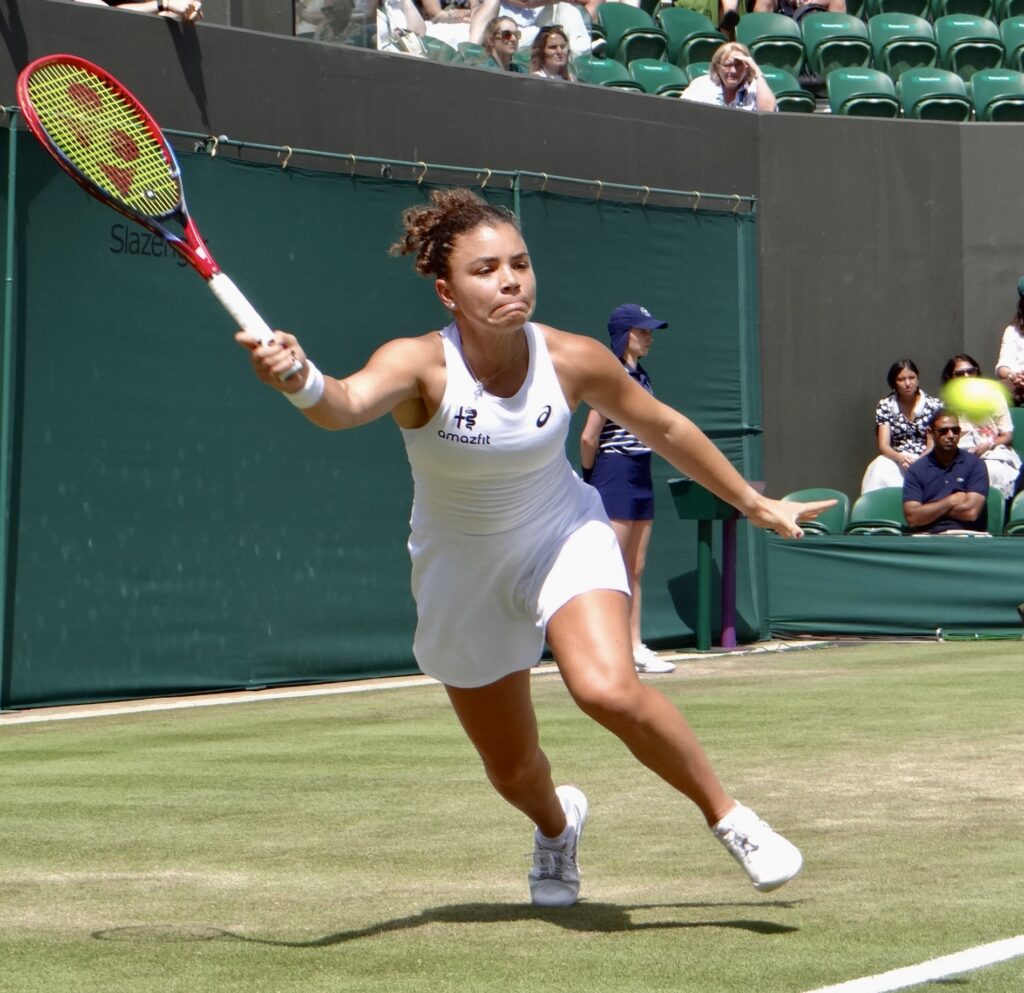
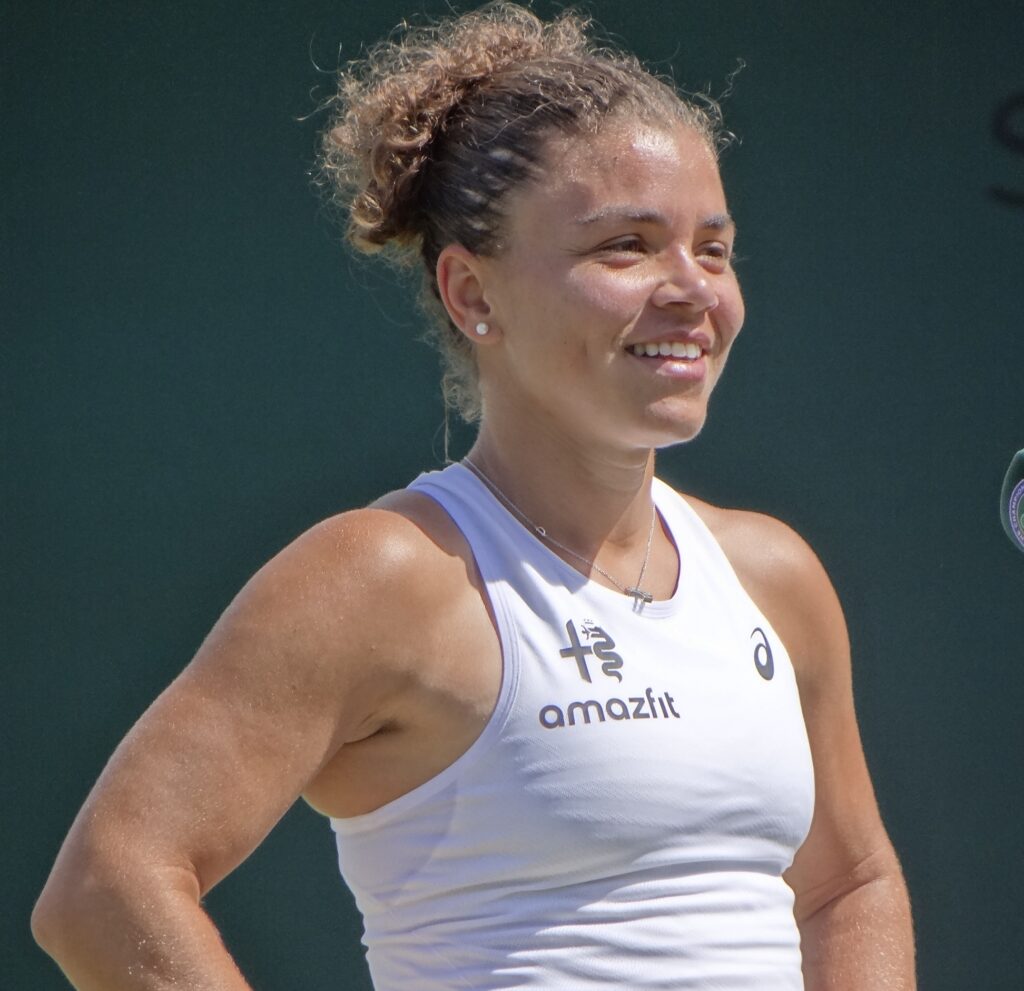
“I try to play with the joy. When I don’t do that, my game is struggling a little bit. But it’s not easy, you know, every time to enjoy yourself on court.
“I think the key today, but also the last two matches, was to be positive no matter the score. You know, point by point, game by game, be more confident in my game.
“That feeling, I think, to be always there, to be always focused no matter the score, makes me more, let’s say, relaxed on court and more also lucid on what I have to do on tactics and on my forehand and backhand.”
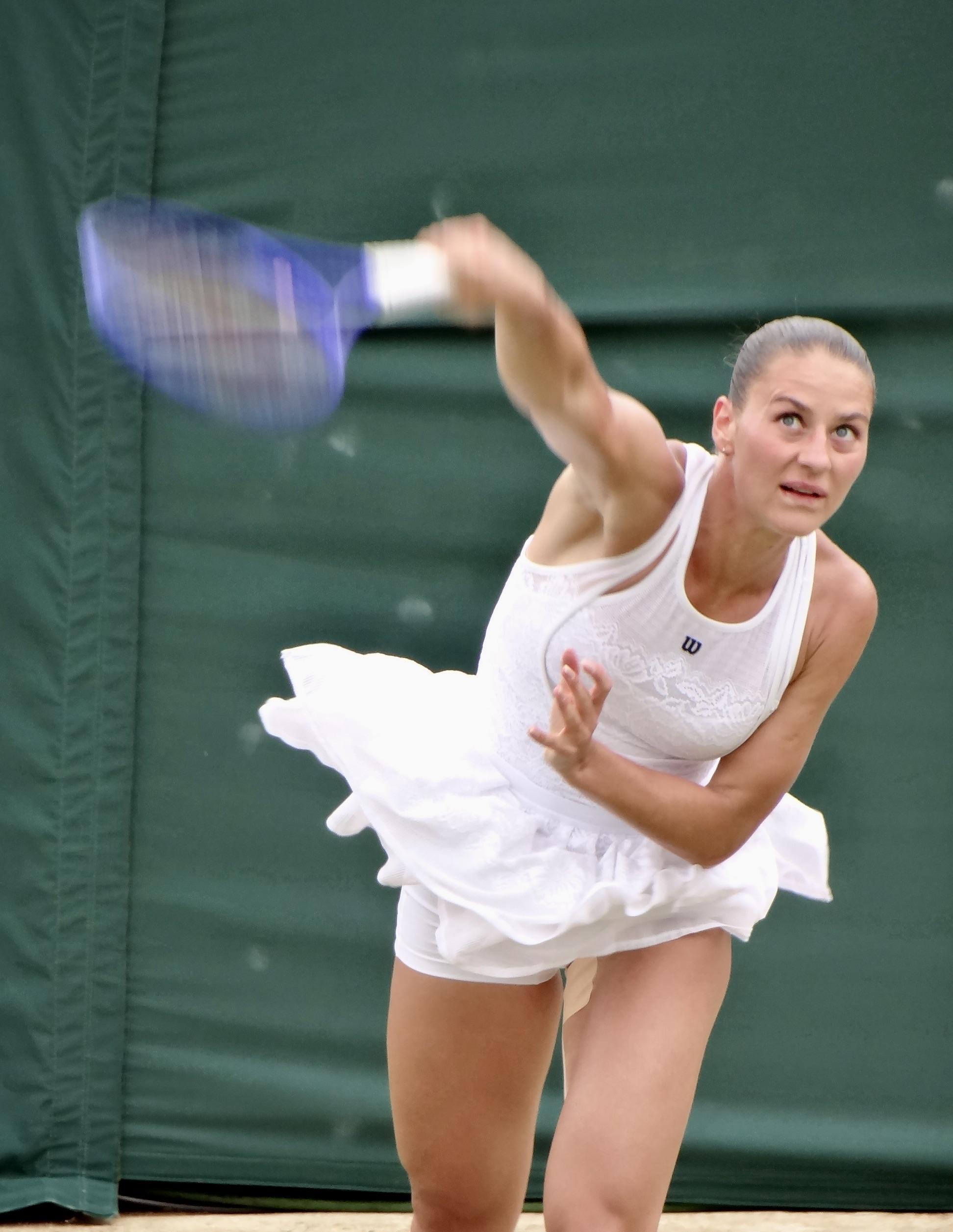
MARTA KOSTYUK. 6-2 4-6 6-1 win over Emma Navarro (Court Two)
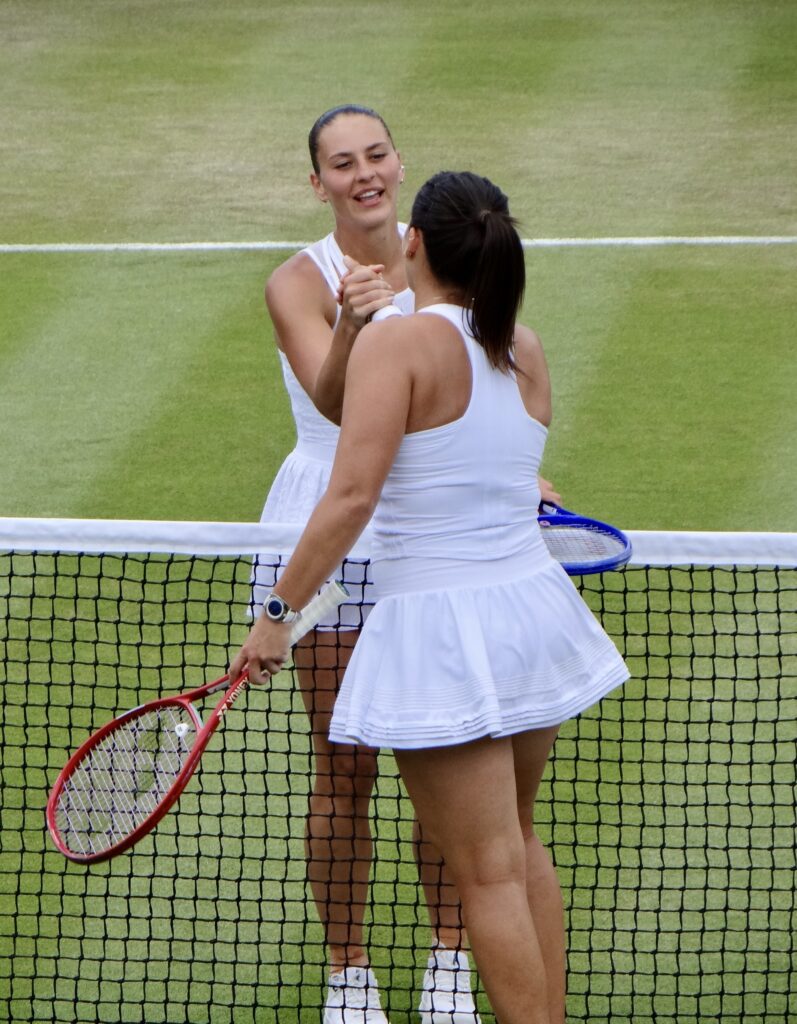
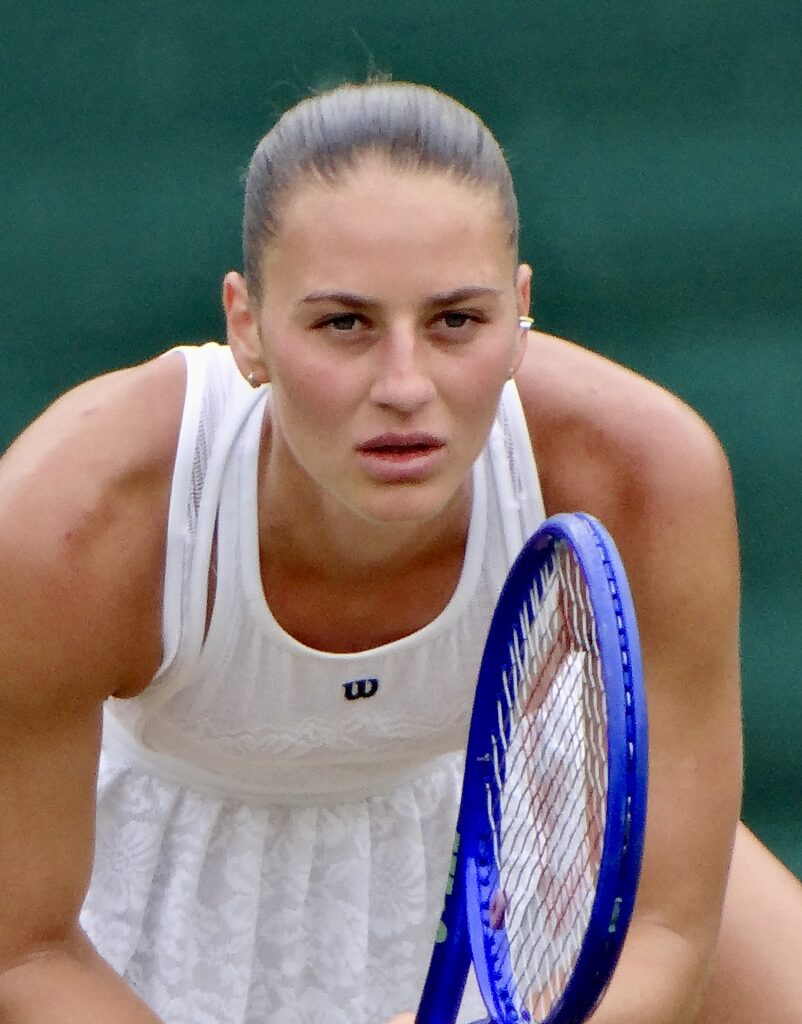
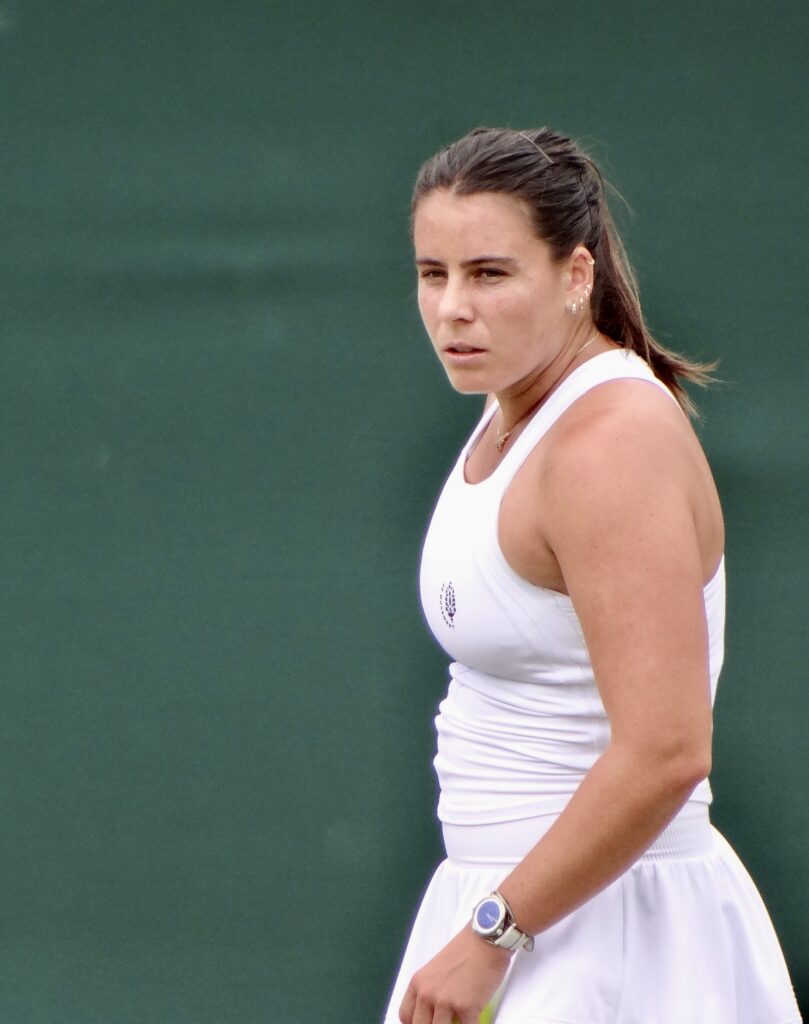
Marta Kostyuk arrived at Wimbledon having defeated her close friend and fellow Ukrainian Elena Svitolina – oh, and Iga Swiatek – on the way to the semi-final at Roland Garros. Though injury prevented her from competing straight after the French Open, at the pre-SW19 Queen’s tournament.
Having withdrawn from competition in the early part of the season with her own health struggles, native New Yorker Emma Navarro warmed up on grass by getting to the final at Nottingham, and looked right at home in the third round in SW19. Currently No 25 in the world, and seeded 23 at Wimbledon, her highest ranking was in the top ten in 2024, when she reached the semi-finals at her home slam, the US Open.
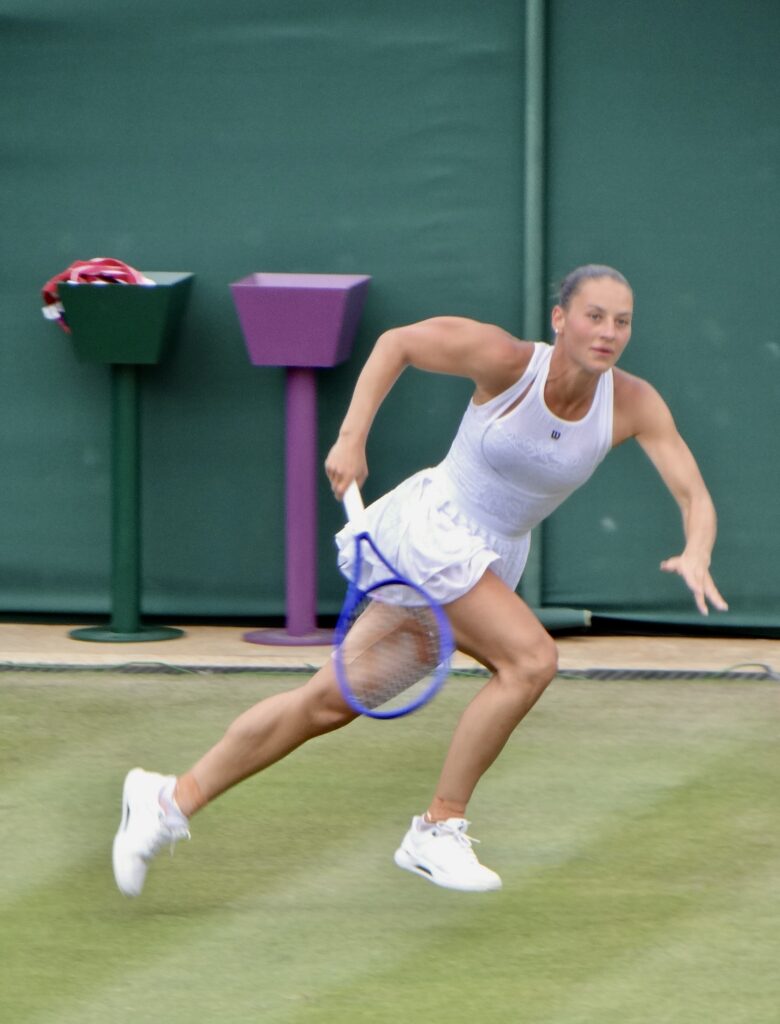
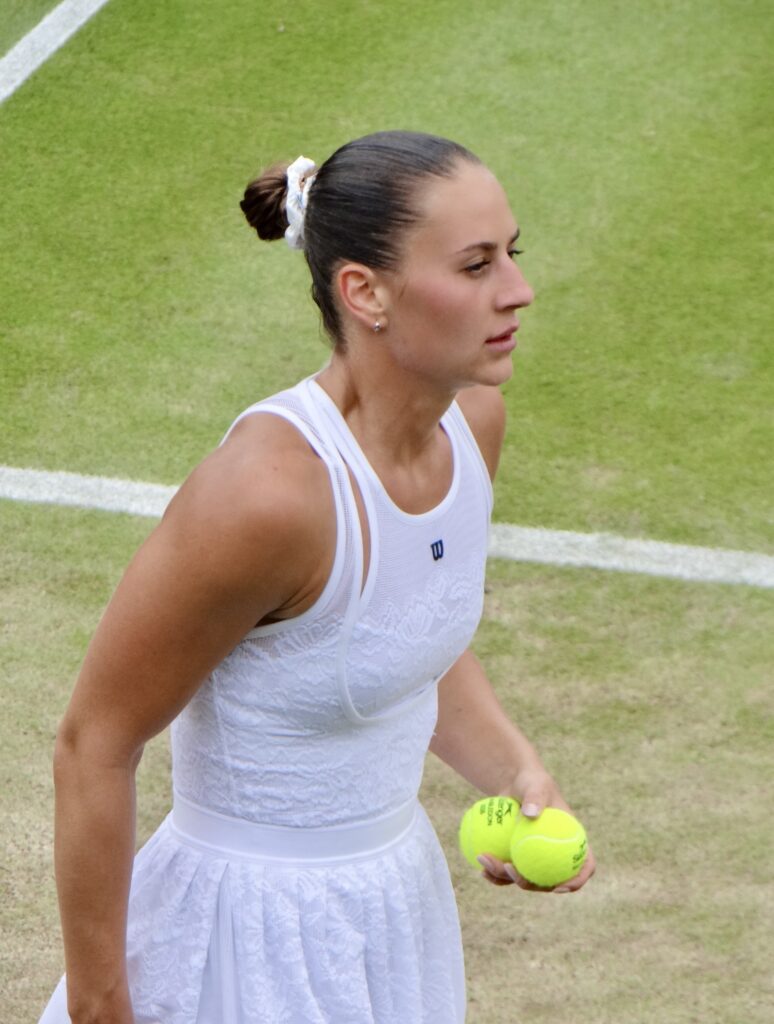
Wearing a stunning tennis dress with lace detailing, that sold out twice before Wimbledon even started, off court, Kostyuk is most notable for being outspoken about her home nation and their struggles since their neighbour, Russia, invaded. Still only 24, she is uncompromising in her view of herself and the world, and has been a strong advocate of therapy, talking about how it has totally changed her mindset.
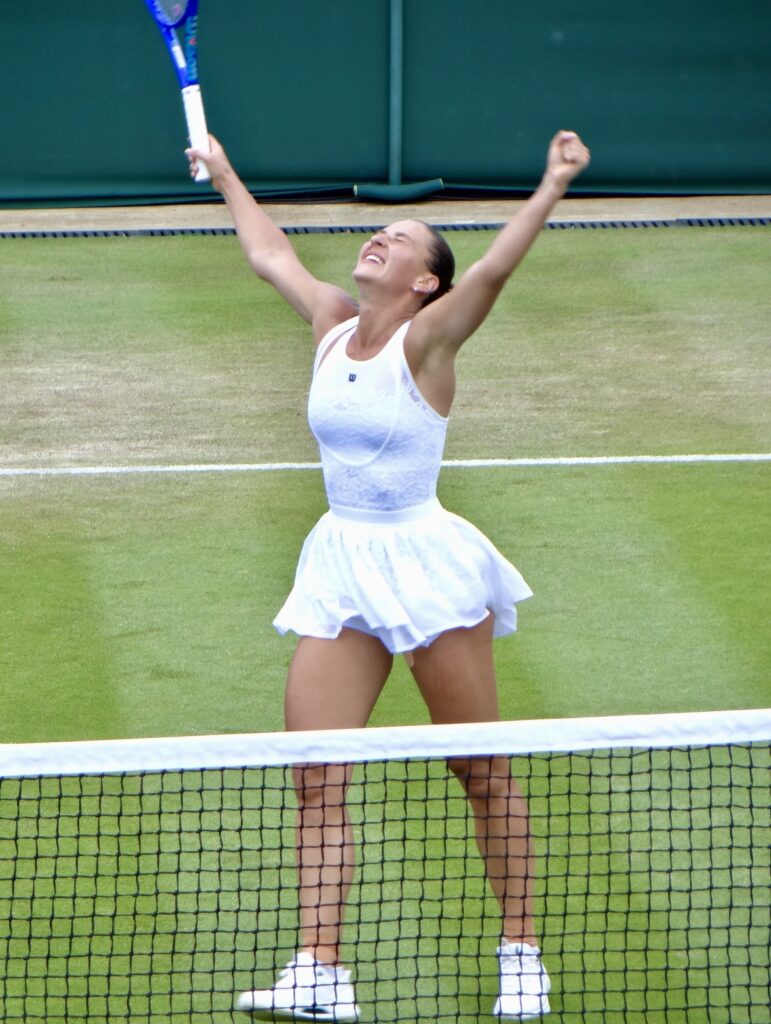
The No 12 seed at Wimbledon, Kostyuk sliced and diced her way past Navarro in the first set, then stuttered ever so slightly to lose the second. Deep breath and the Ukrainian pulled out some great serves and shot-making to easy victory in the final set. Cue: pirouette and arms-aloft celebrations.
MARTA KOSTYUK:
“I think it was a good match. Even the second set, the one I lost, I feel like it was just a matter of few points didn’t go my way. But overall happy with the performance, for sure.
“I had zero expectations, honestly. Still do. Not having expectations is probably easier at this point.
“I feel like the higher your ranking is, the more people expect of you, opponents expect of you to play good. You’re always supposed to feel good. You’re never supposed to feel tired or injured or whatever. You always have to be out there performing on the highest level.
“I feel like a lot of years that I played here, I played horrendous. I could not find my tennis on this surface, on any tournament. Never went further than round of 16, even on like 250s or 500s. So it was a really complicated relationship for me with this surface. Yeah, same thing with Wimbledon.
You can win everything, and in one month people forget about it you. You cannot tie yourself and your self-worth to how you perform on the court, because eventually all this goes away. When your career is finished, I was thinking about it, that the greatest players of all time, even now, people talk less and less about them. It’s fine. It’s how life should be.
“But that’s my point of even when you’re a legendary player, everyone still kind of forgets about you. And you have to move on and live your life without all this success and attention and everything that tennis has given you.
“I try not to tie myself to this and just try to go out there and play tennis, because I love to do it.”
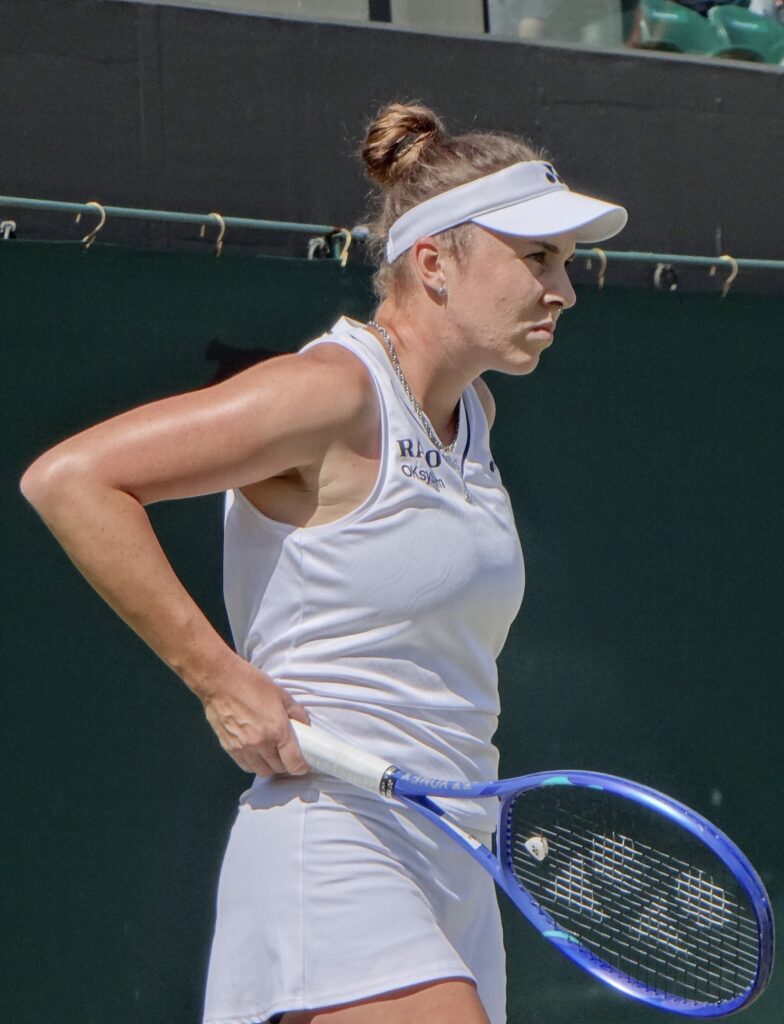
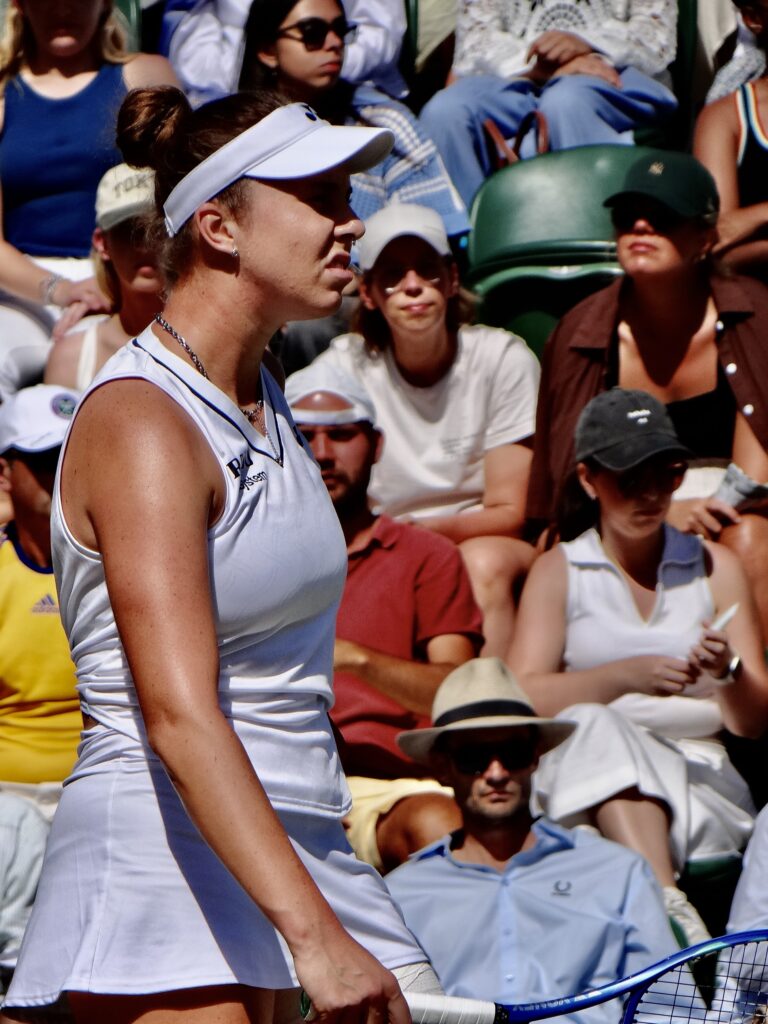
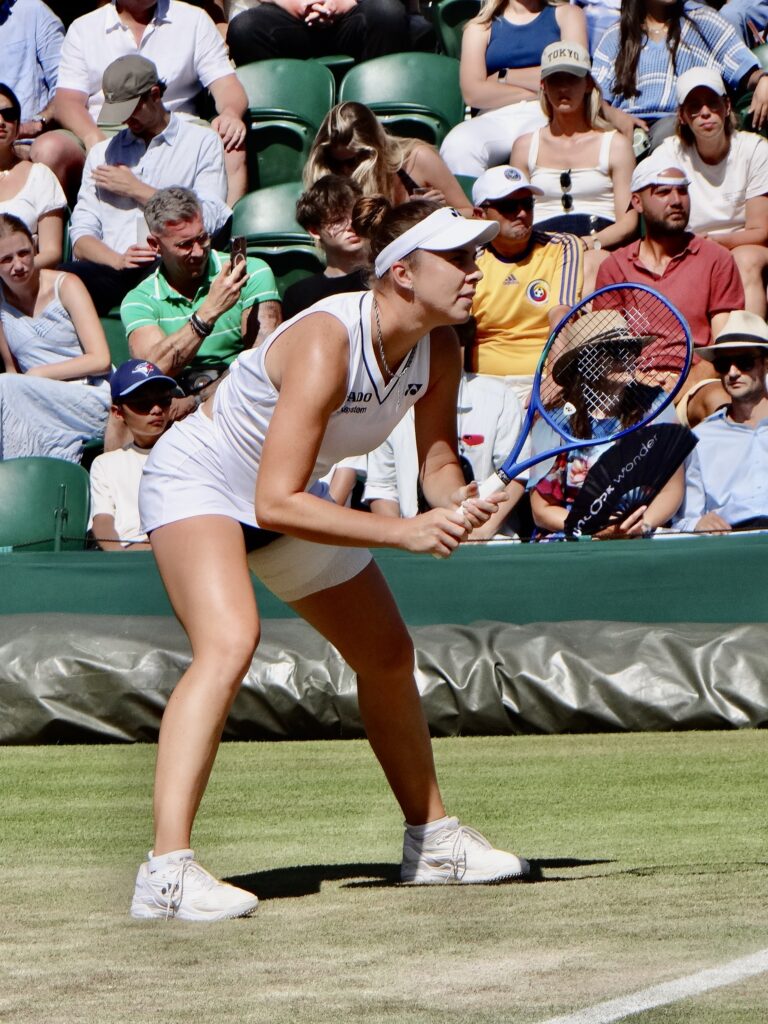
LINDA NOSKOVA. 2-6 6-3 7-6 (11-9) win over Sorana Cirstea (Court Three)
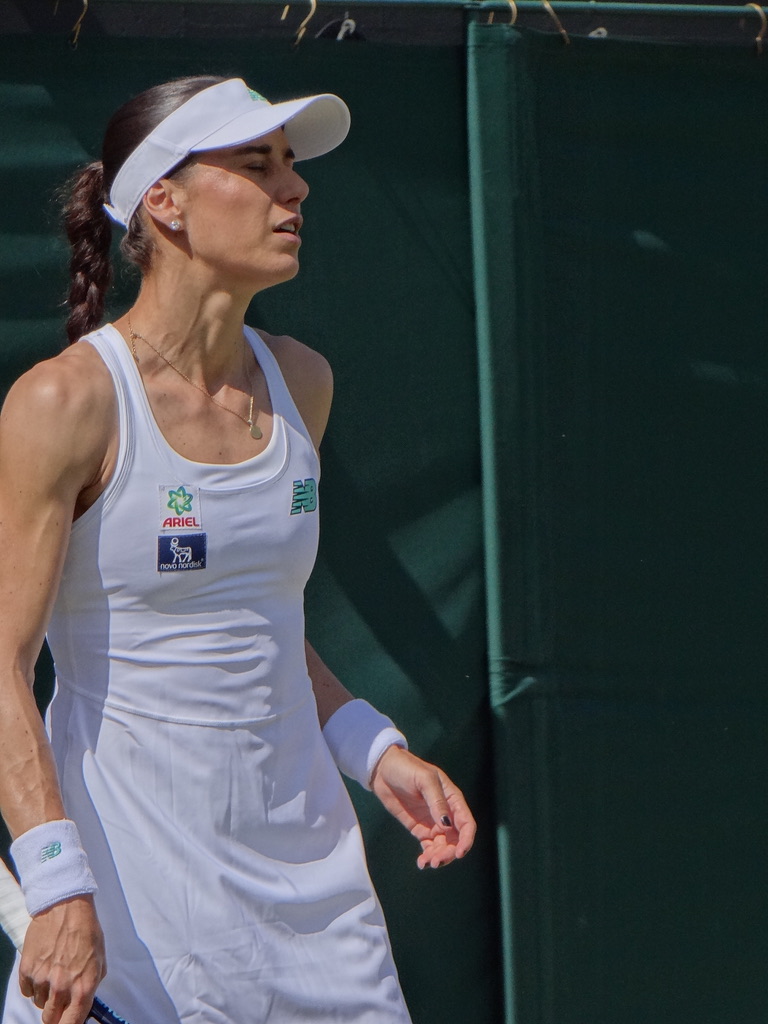
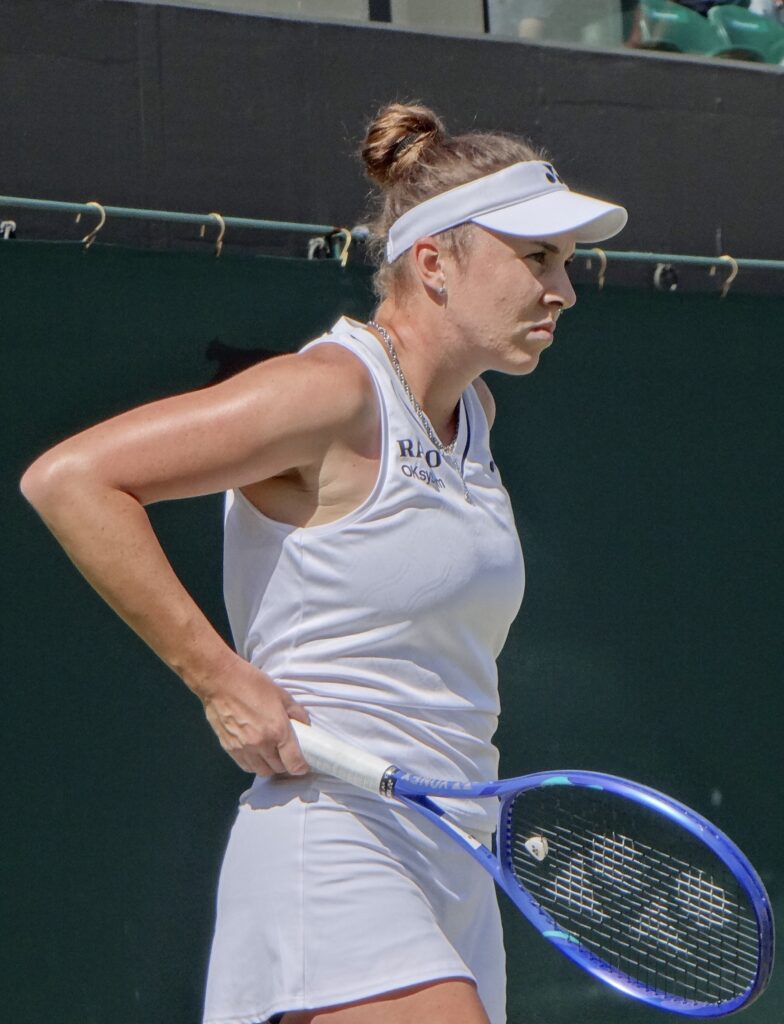
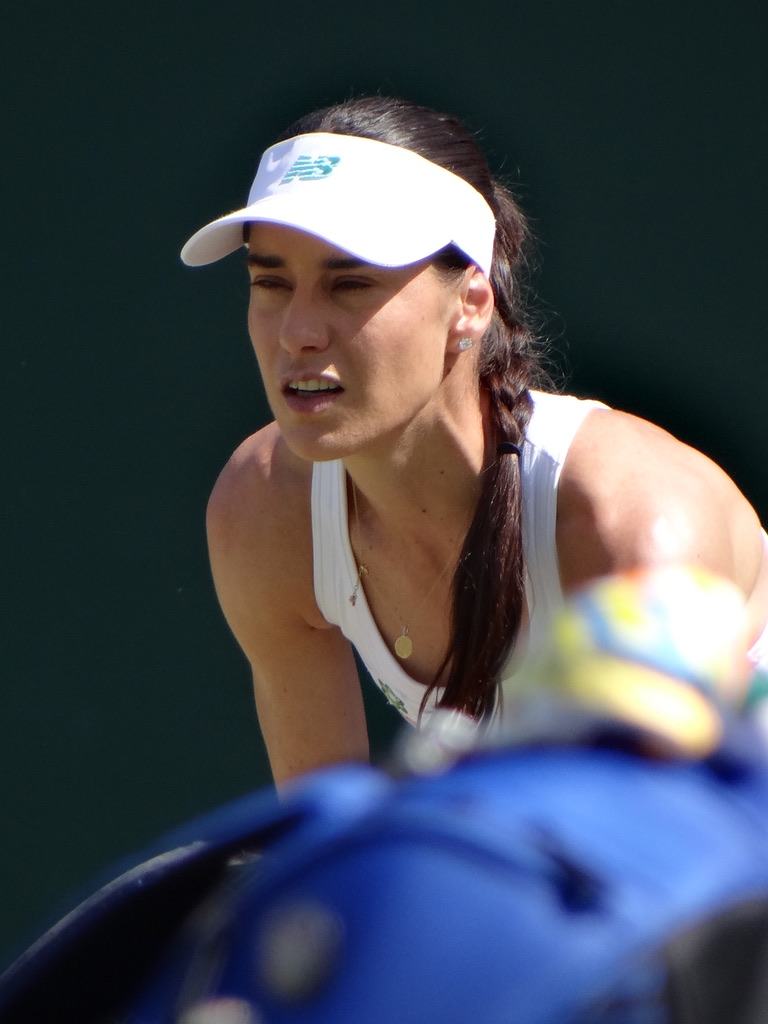
Well, I got this one wrong. I was so sure that the Romanian ace, Sorana Cirstea (seeded 17) was going to beat 21-year-old Czech Linda Noskova (seeded 9), that I left after just a handful of games. And Cirstea ploughed through the first set 6-2, so my initial impressions were correct. I mean, she’d already beaten her in straight sets in Rome in May…
Anyway, despite Noskova rallying in the second set, which she won 6-3, I reckon nearly everyone on Court Three would have still agreed with my verdict when Noskova faced a match point in the deciding set. But in this pivotal match, the eventual winner of this year’s entire singles competition showed the resilience we all now associate with her. She not only saved that match point, but grabbed the tie-break 11-9.
For Linda Noskova is guts, grace and grit personified. Or as she describes her approach: “I never really liked to just put the ball back into the game. I have always been kind of aggressive.”
Glancing through the key stats from the match, you see Cirstea’s 12 aces to Noskova’s 4, and the Romanian’s one and only double fault to the Czech’s 6. But crucially, Noskova won 107 points to Cirstea’s 103, and perhaps foreshadowed her epic final with Karolina Muchova by coming up clutch…
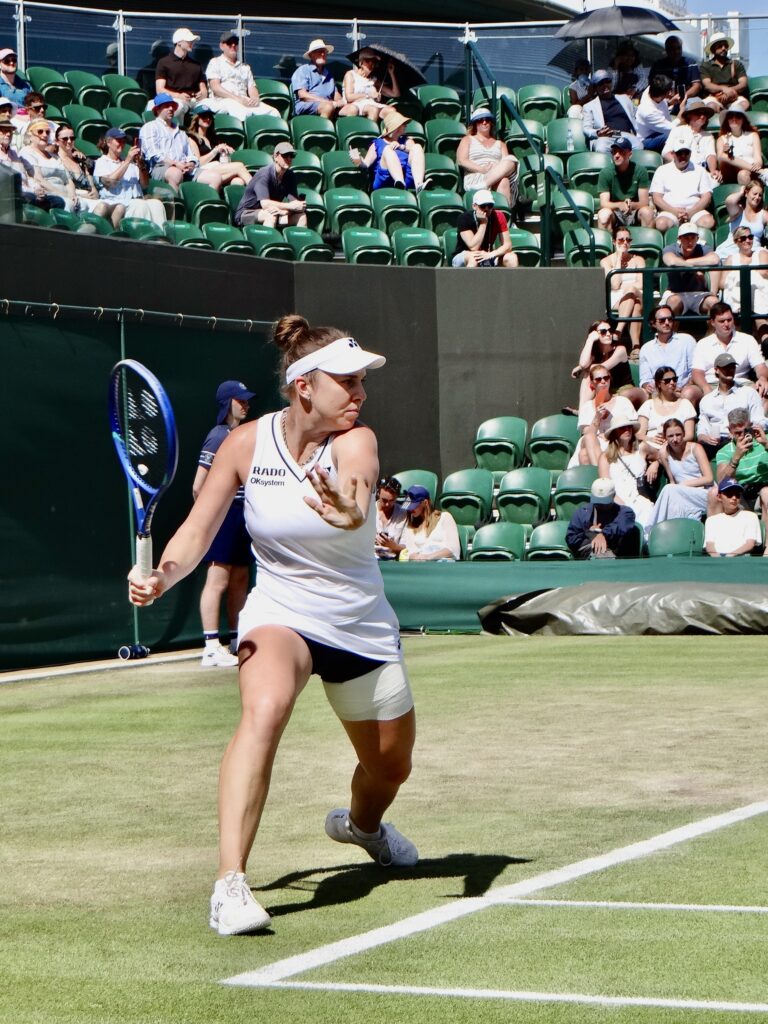
LINDA NOSKOVA:
“It was a hell of a match. I knew that it was going to be tough, as it always is, with Sorana. Our matches are never easy.
“I was expecting a tough battle. Not like this one, obviously. But it was just one of those matches that you are really relieved that you got through.
“I just refused to lose the match. I was telling myself that it’s never over, that the last point always decides.
“But I knew that she was not going to give it to me either way, and neither was I. There were tough moments where we both had our chances. But yeah, I’m glad that the last two points went my way.
“It was just one of those matches that you have to fight for every point, and no matter what happens, it’s tough either way.”
MADISON KEYS. 3-6, 6-2, 6-3 win over Amanda Anisimova (Centre Court)
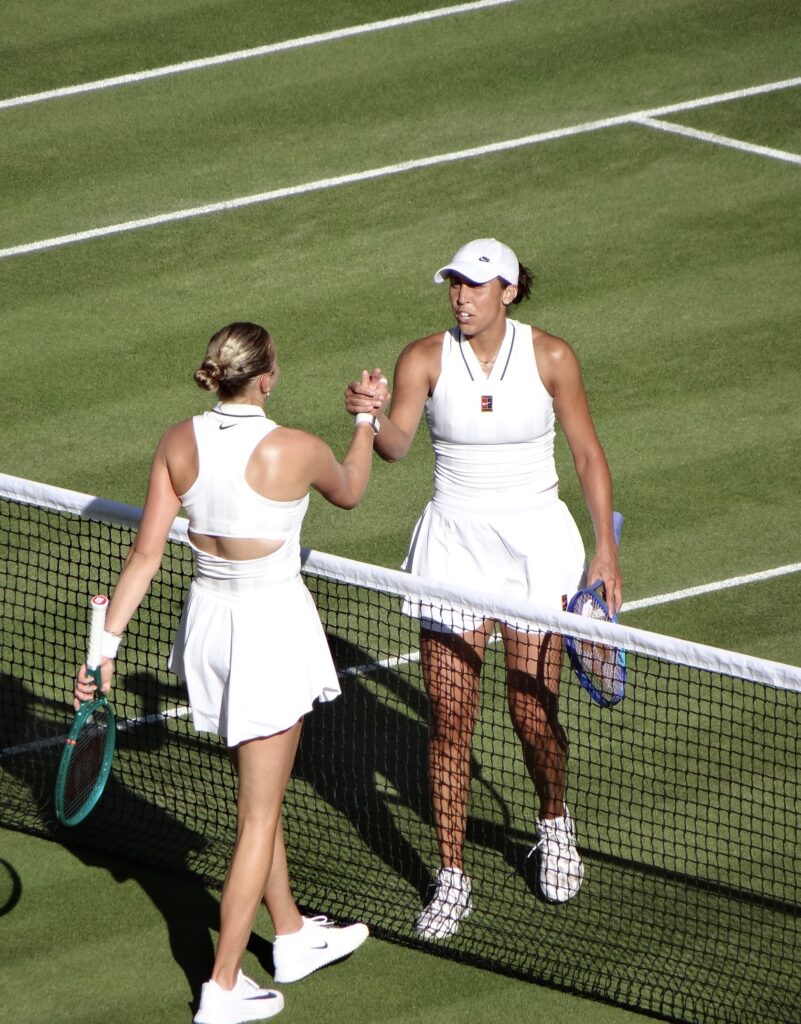
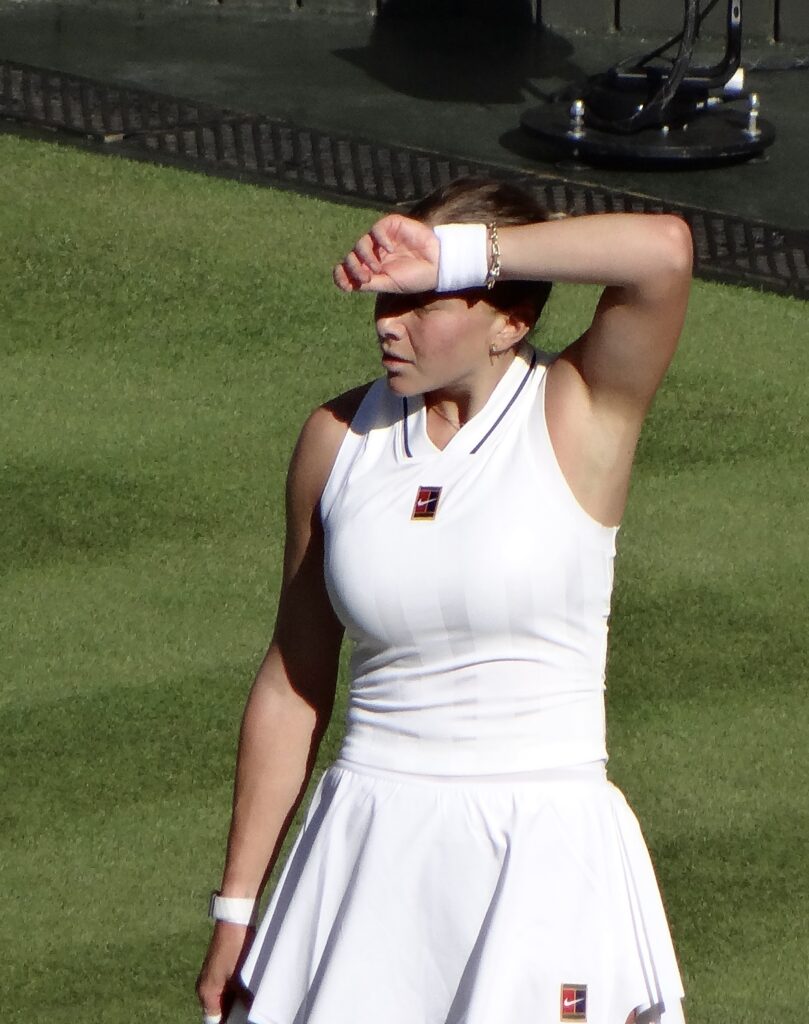
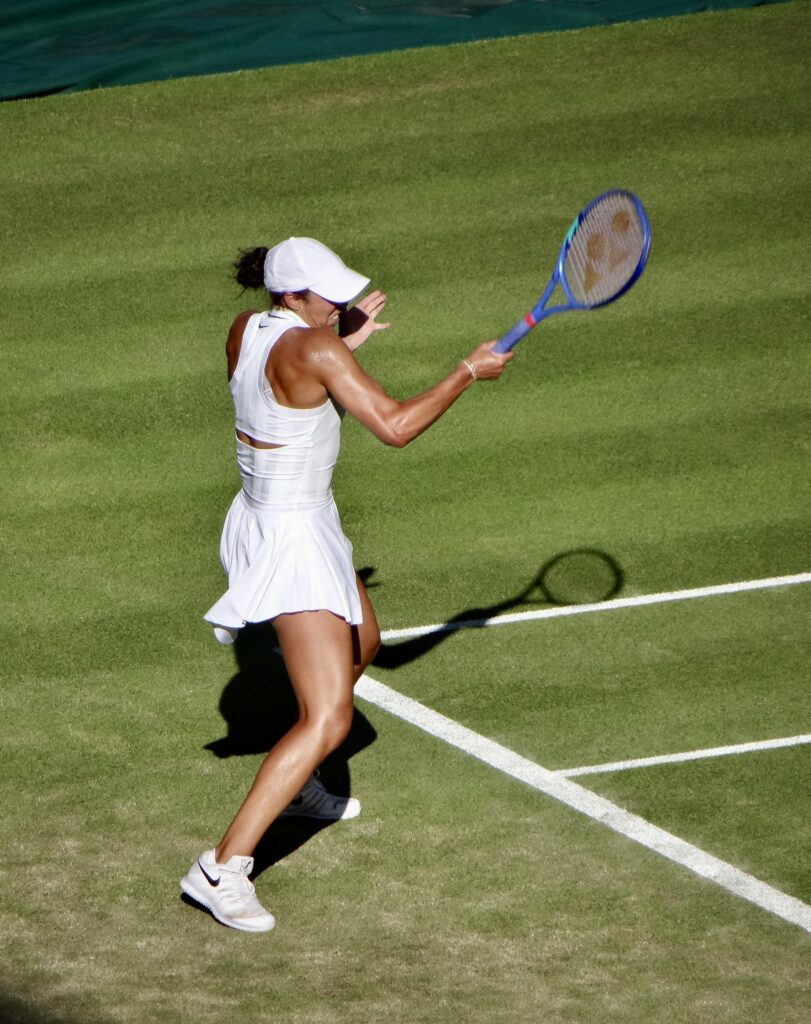
An all-American clash on the fourth of July. Fireworks on Centre Court! But also a potential banana skin for 24-year-old New Jersey native Amanda Anisimova, who has struggled with injury, as well as form across various surfaces this year, but nevertheless came into this contest seeded 6.
Famously, Anisimova beat Aryna Sabalenka en route to the Wimbledon final last year, in which nerves got the better of her and she was double-bagelled by Swiatek. Then the Belarusian got her revenge on Anisimova in the US Open final. Anisimova should, however, be praised for her honesty about taking time out for her mental health a couple of years ago, when she stepped away from the relentless tennis circuit. You can hear her continued focus on this in interviews even now.
Madison Keys arrived fresh from winning Eastbourne and looking sharp on grass, perhaps underrated with her 26 seeding. Now 31 years old, the Illinois native is a canny veteran who won last year’s Australian Open – beating both Swiatek and Sabalenka along the way – and was previously a finalist in the US Open.
The duo clearly know each other only too well, which means they can target (and avoid) their strengths and weaknesses. Anisimova’s backhand and powerful groundstrokes drove her through the first set 6-3. Then everything changed. Her forehand started to let her down, her serve just wasn’t happening.
Keys watched, waited and bided her time, then pounced. Her forehand was rock solid. Anisimova’s double faults piled up, totalling seven, compared to Keys’ two. And perhaps surprisingly, Keys scored four aces to Anisimova’s two.
As Anisimova admitted, she found it a really tough match, declaring that Madi played better in the second and third set. And this is when the match turned completely, and Keys walked away with the second set 6-2 and the decider 6-3.
Keys elated, Anisimova deflated. And we can hear the thoughts of both winner and loser…
MADISON KEYS:
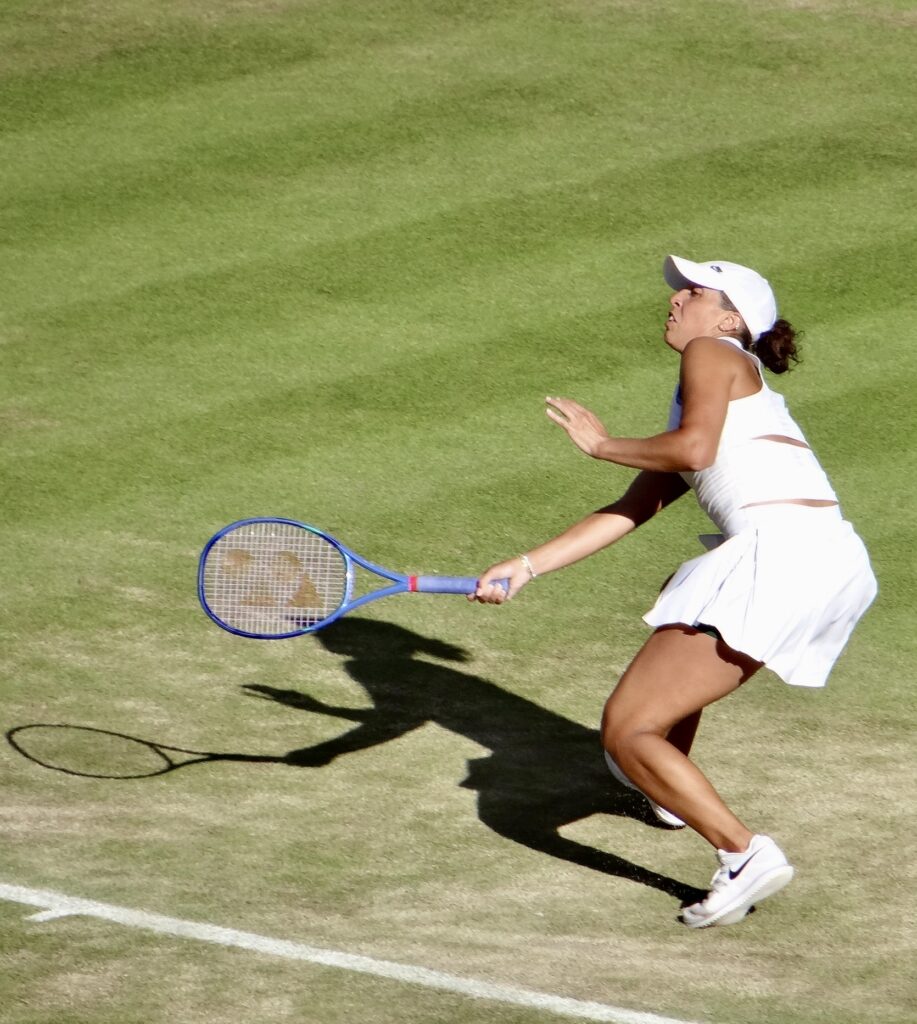
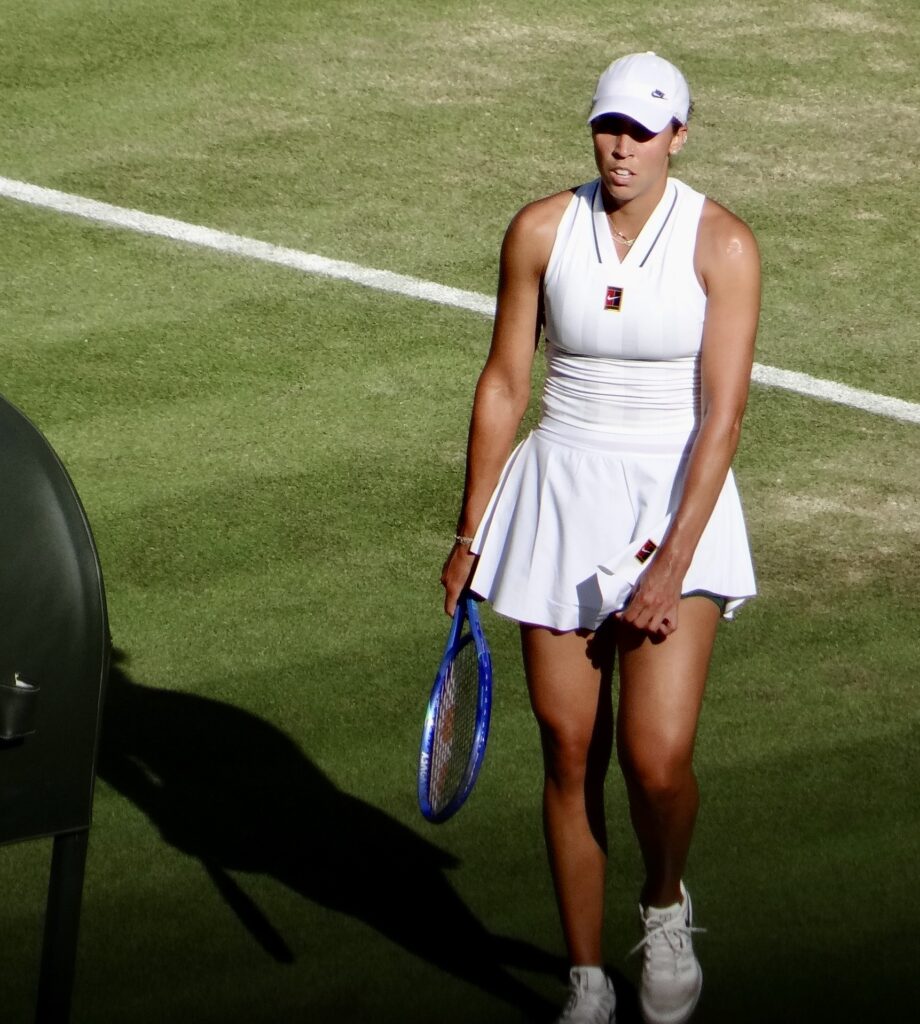
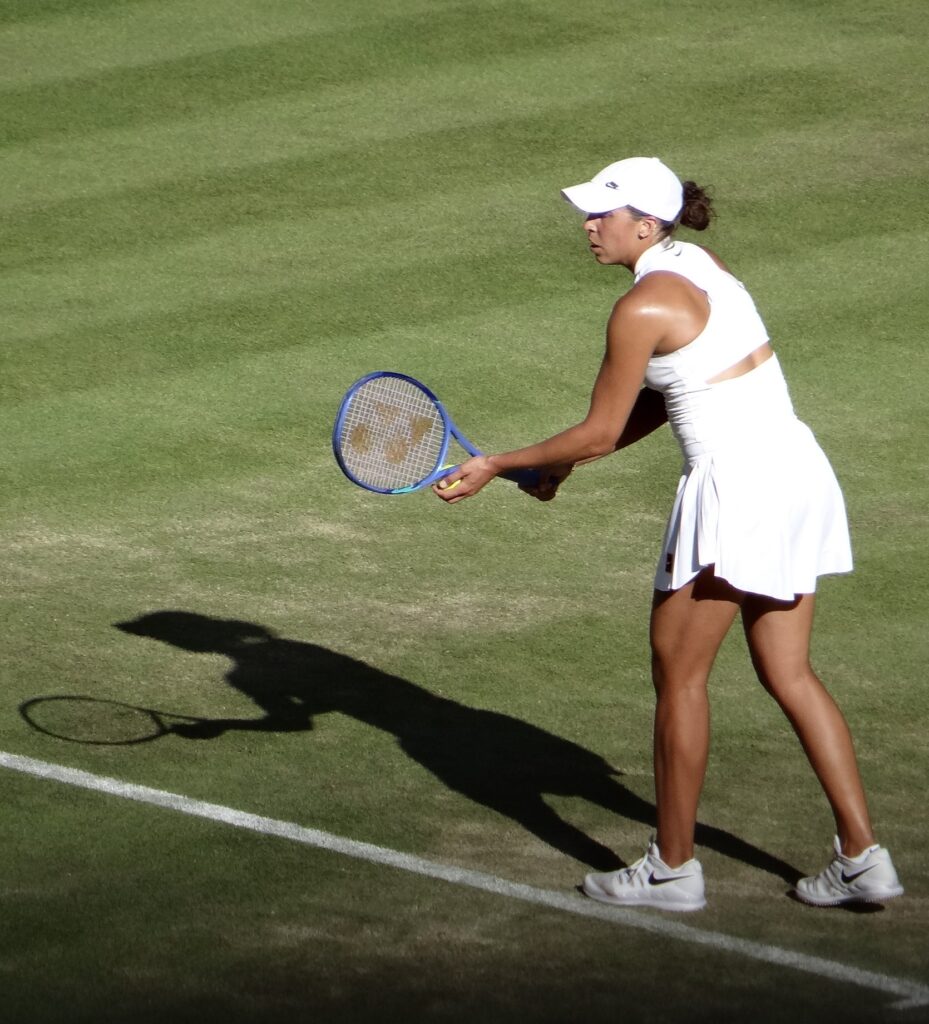
“We weren’t going to have 45-ball rallies. I think it was just after the first set, I just felt like if I could get myself in a couple more of her service games, even just a couple of points…
“I feel like in the first set I think I had a break point chance, maybe one, but I felt like a lot of her service games I wasn’t putting any pressure on her. She was holding fairly easily.
“So instead of trying to get too big picture and make myself think I have to break, it was really just: let me see if I can get to 30 in the game, just so I feel like I’m getting in some of these games. I think focusing on that helped a lot.”
AMANDA ANISIMOVA:
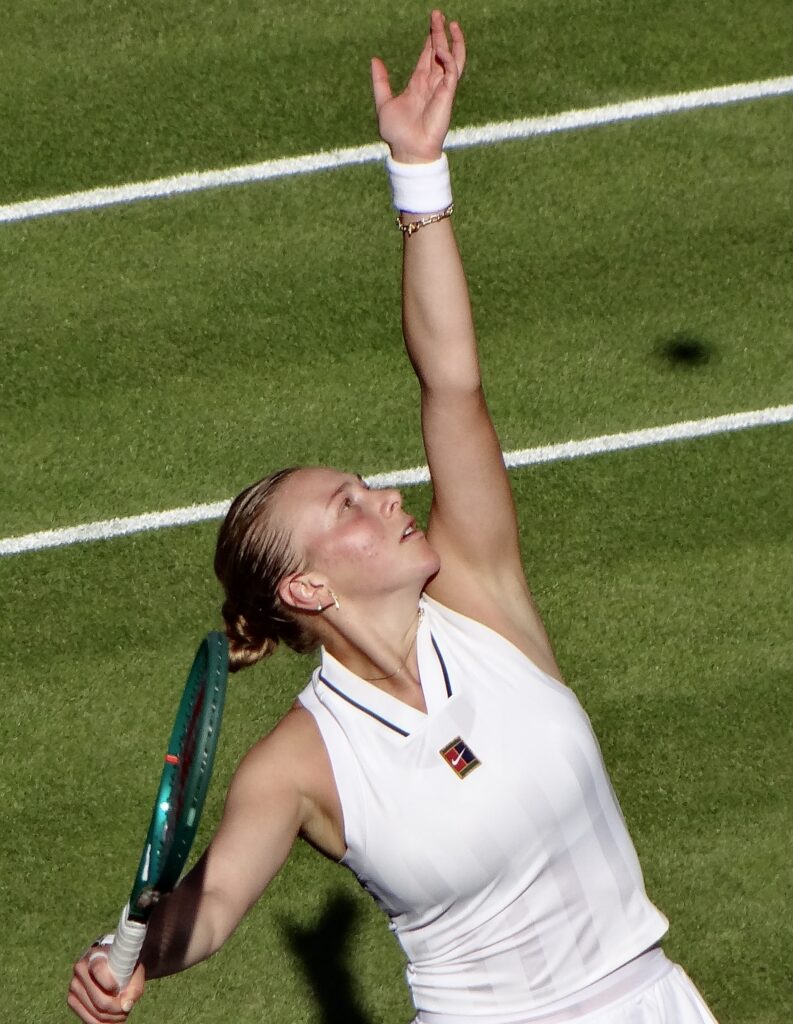
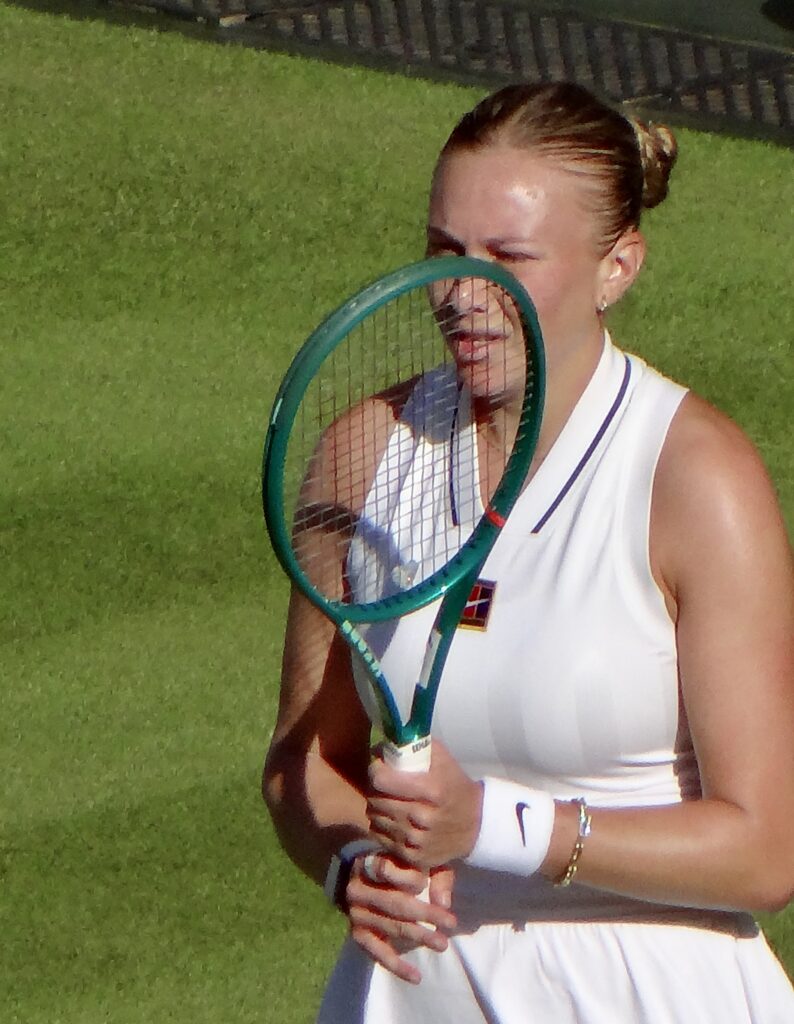
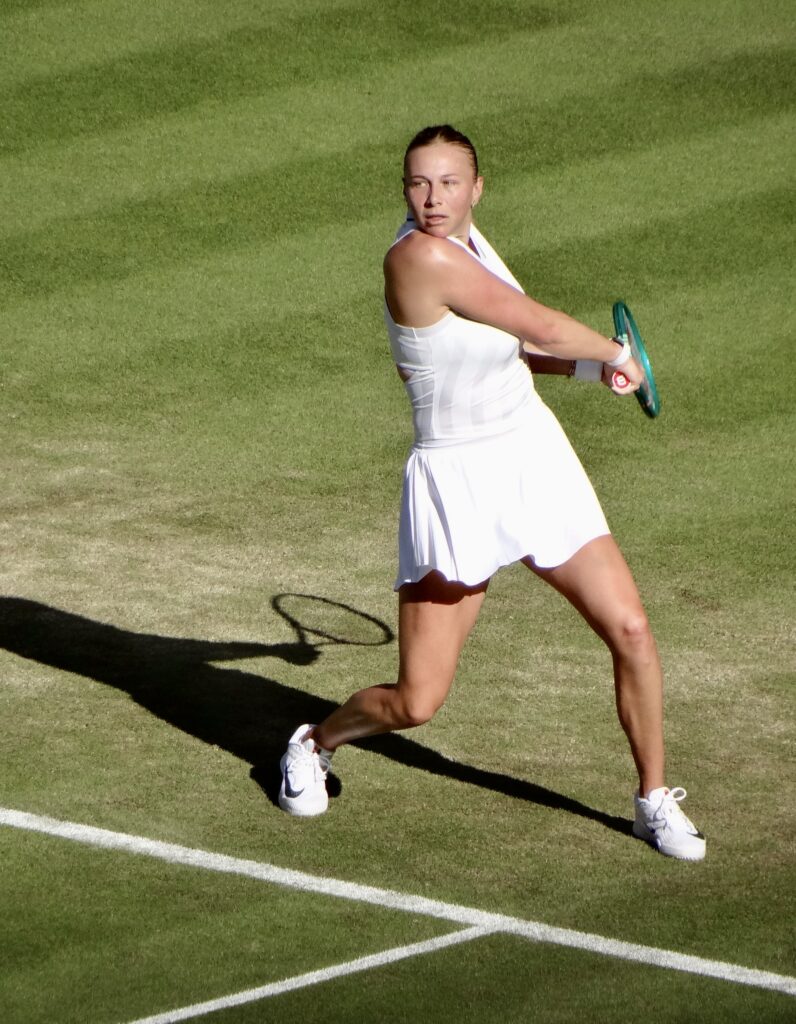
“It’s been a really rough few months trying to find my game and obviously struggling with my forehand a lot lately. Just something that I’m still trying to figure out.
“After the last few months, it’s really hard to see a silver lining, because it’s been really, really tough.
I feel like I’m doing everything I can and working really hard. So for my game to still be at this point, it’s really hard to digest and take.
“For me, it wasn’t enjoyable to play out there today with my tennis being like that.
“When I’m not able to make one forehand in the court, it’s really, really hard.”
Coming Up Clutch
So let’s applaud the grit, gravity, grace and generosity of all these players. In just four matches on one hot day, they epitomised all that’s remarkable and progressive and exciting about the women’s game right now.
Look just outside the top three and you’ll get the bigger picture. Listen to their honest and considered thoughts, see how their actions match up, and check them out next time they’re in town – or on TV.
I can’t wait to see them coming up clutch again at the US Open. And at Wimbledon next summer, hopefully with fast-rising Canadian, Vicky Mboko over her knee injury and on the other side of the net…
Photos: Helen M Jerome